
The best foot cream for dry cracked heels is usually the one that matches why your heels are splitting in the first place, then gets used consistently enough to actually change the skin. If you buy a “strong” cream but apply it like hand lotion once in a while, you’ll keep getting the same rough, painful edges.
Dry, cracked heels look simple, but the fix is rarely one single product. For most people, it’s a mix of the right keratolytic ingredient to loosen thick skin, a barrier repair moisturizer to hold water in, and a routine that protects your heels from friction.
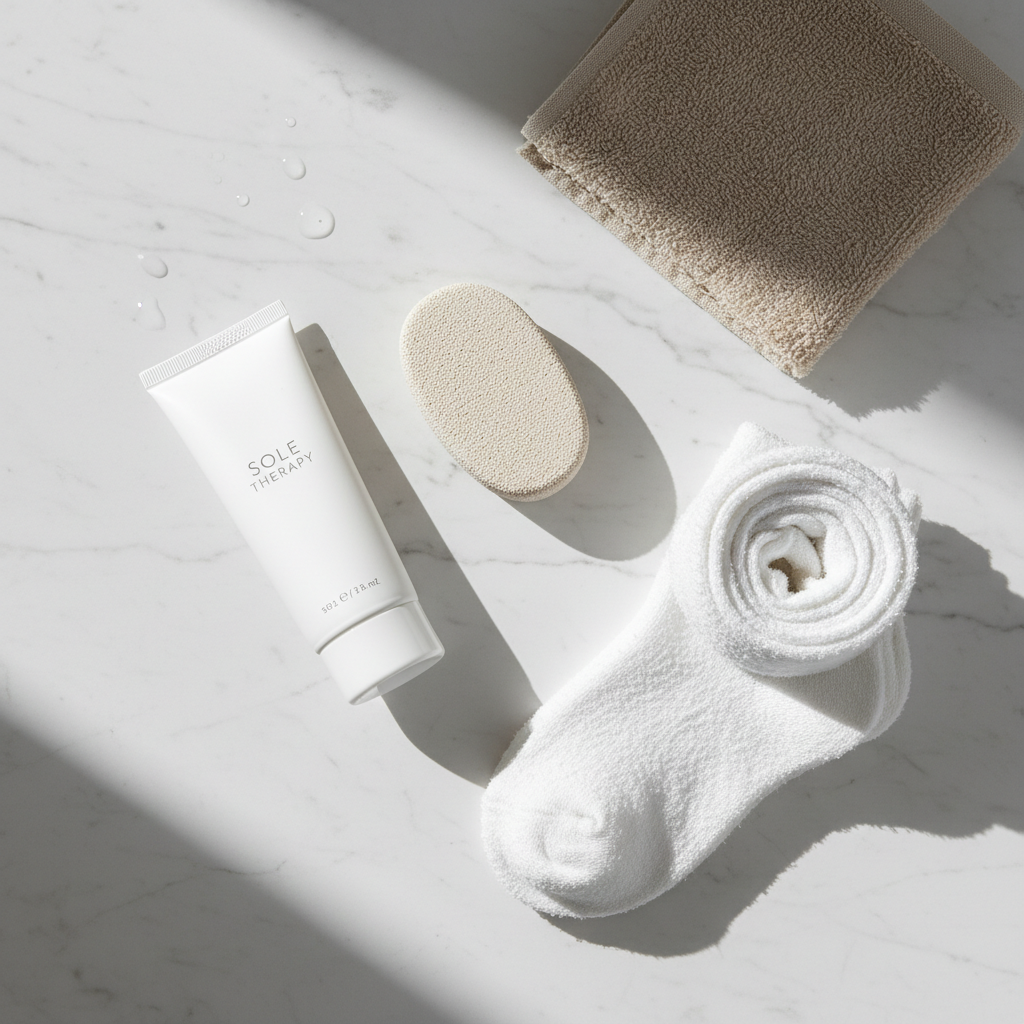
Below is a practical way to choose a cream, figure out what your heels need, and use it in a way that makes cracks less likely to come back. I’ll also flag the red lines where you should consider a podiatrist or dermatologist, because some heel fissures are more than “dry skin.”
Why heels crack (and why your lotion isn’t cutting it)
Cracked heels usually come from thickened, dehydrated skin that can’t flex, so it splits under pressure. You can moisturize all day, but if the outer layer is built up and rigid, hydration won’t penetrate well.
- Callus buildup: Standing, walking, sandals, and hard floors push skin to thicken as protection.
- Low humidity + hot showers: Water and heat strip oils, then skin dries out fast.
- Friction and open-back shoes: Heel skin spreads with each step, tiny splits turn into fissures.
- Skin conditions: Eczema, psoriasis, or athlete’s foot can mimic “dryness” but need different care.
- Systemic factors: Diabetes, thyroid issues, circulation problems can worsen cracking or slow healing, varies by person.
According to the American Academy of Dermatology (AAD), consistent moisturizing and gentle exfoliation are common first-line steps for dry skin, and harsh scrubbing tends to backfire for many people.
How to choose the best foot cream for your heel type
Shopping becomes easier when you stop looking for a single “miracle” formula and instead match ingredients to your situation. Most effective options fall into three buckets: exfoliate, hydrate, and seal.
Ingredient cheat sheet (what to look for and when)
- Urea (10%–40%): Softens thick, rough skin and draws water in. Lower strengths suit daily maintenance; higher strengths often fit stubborn callus.
- Lactic acid (AHA): Helps smooth texture and loosen dead skin, often feels gentler than aggressive scraping.
- Salicylic acid (BHA): Useful for very thick buildup, but can sting on open cracks for some people.
- Petrolatum (occlusive): Seals moisture in, great at night with socks.
- Ceramides, glycerin, hyaluronic acid: Support barrier repair and hydration, especially if your skin gets flaky easily.
- Dimethicone: Creates a breathable protective film, helpful if shoes rub.
If your cracks are deep or bleeding, you’ll often do better with a repair-and-seal approach first, then add stronger exfoliating ingredients once the skin calms down.
Quick self-check: which “cracked heel” scenario are you in?
This is the part most people skip, then they wonder why the product “didn’t work.” Pick the closest match:
- Mostly dry, little callus: Skin feels tight, looks ashy, minor lines, no thick rim.
- Thick callus + shallow cracks: Yellowish or gray thick edge, rough texture, splits feel scratchy.
- Deep fissures: Painful splits, sometimes bleeding, walking can hurt.
- Itchy + peeling: Especially between toes or on the sole, may be fungus rather than simple dryness.
- Recurring no matter what: You improve briefly, then it returns fast, often a footwear or medical factor.
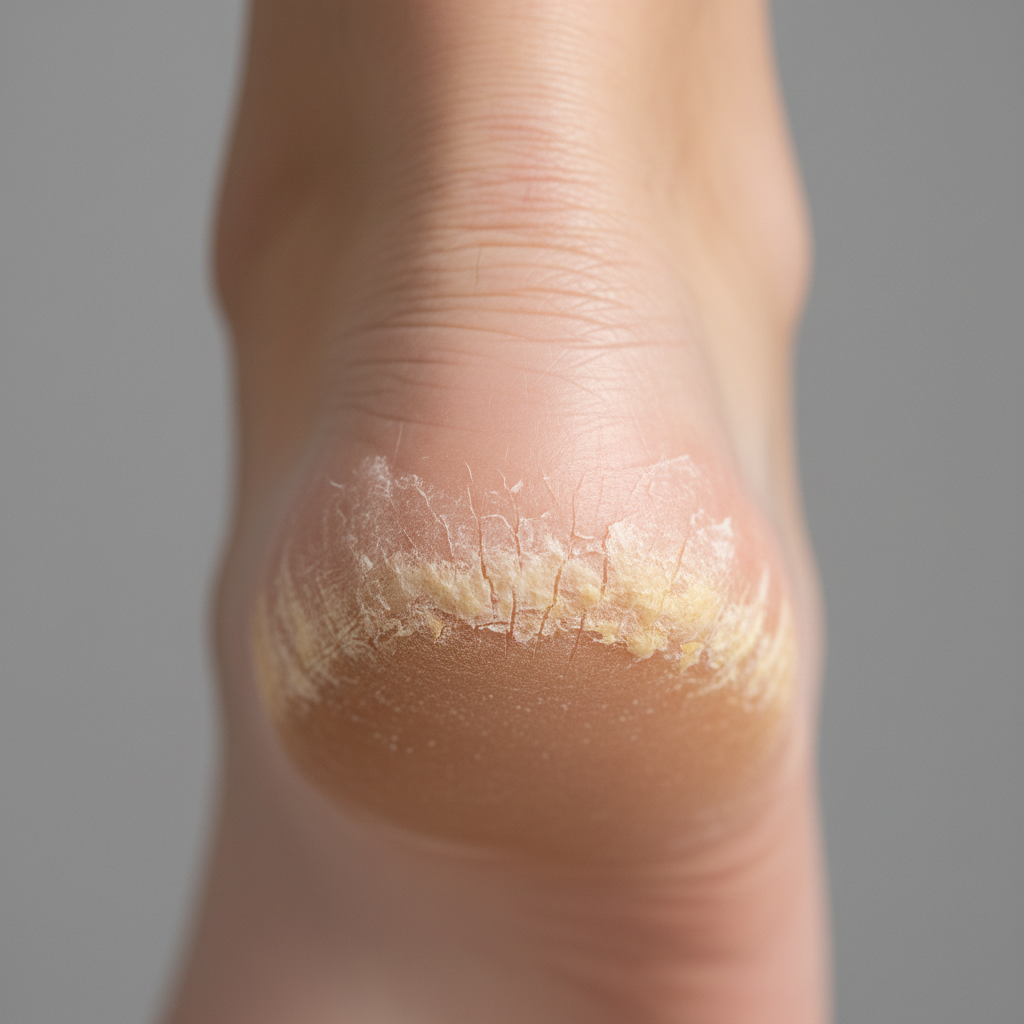
If you’re in the “itchy + peeling” bucket, treat that as a different problem. Foot cream can support comfort, but it may not address the underlying cause.
A simple routine that makes foot cream work better
The routine matters as much as the jar. The goal is to get hydration into the skin, then lock it in before it evaporates.
Night routine (10 minutes, realistic for most schedules)
- Rinse and pat dry: Warm water is fine, but skip long hot soaks if you’re very dry.
- Gentle smoothing 2–3 nights/week: Use a pumice stone lightly on thick edges, stop before tenderness.
- Apply treatment cream: Use your urea/AHA cream on the thickest areas.
- Seal it: Add a thin layer of petrolatum over the top if your skin is very dry.
- Cotton socks: Not glamorous, but it increases contact time and reduces mess.
Morning routine (30 seconds, but it helps)
- Apply a lighter barrier cream (glycerin/ceramides/dimethicone) to reduce friction in shoes.
- If you wear sandals often, consider a reapply mid-day, heels dry out fast in open air.
Key point: Consistency beats intensity. A moderate cream used nightly for two weeks often outperforms a super-strong formula used randomly.
Which cream type fits best? (comparison table)
Not every heel needs the same strength. Use this as a decision shortcut when picking the best foot cream for dry cracked heels in your own bathroom cabinet.
| Heel situation | Look for | Use frequency | Watch-outs |
|---|---|---|---|
| Dry, flaky, not thick | Glycerin, ceramides, petrolatum | Daily | Fragrance may irritate sensitive skin |
| Thick callus + rough texture | Urea 20%–40% or lactic acid | Nightly, then maintenance | May tingle at first, reduce if stinging |
| Deep painful fissures | Barrier repair + occlusive seal | Nightly, protect during day | Avoid strong acids directly on open cracks |
| Itchy peeling (possible fungus) | Consider antifungal evaluation | Varies | Cream alone may not resolve root cause |
Common mistakes that keep cracks coming back
A lot of heel care advice online is technically “a method,” but it’s not always a good one for real skin.
- Over-scraping with a foot file: Taking too much off can trigger more thickening as rebound protection.
- Acid on an open fissure: Strong exfoliants can burn, then you stop treatment entirely.
- Skipping the seal step: If you never lock moisture in, your cream works for 20 minutes, then disappears.
- Fixing heels but ignoring footwear: Hard soles, open backs, and constant friction undo your progress.
- Assuming “natural oils” are enough: Oils can feel nice, but many don’t hydrate or repair barrier the way humectants + occlusives can.
According to the American Podiatric Medical Association (APMA), foot health is closely tied to footwear and pressure points, so ignoring shoes can limit what any topical product accomplishes.
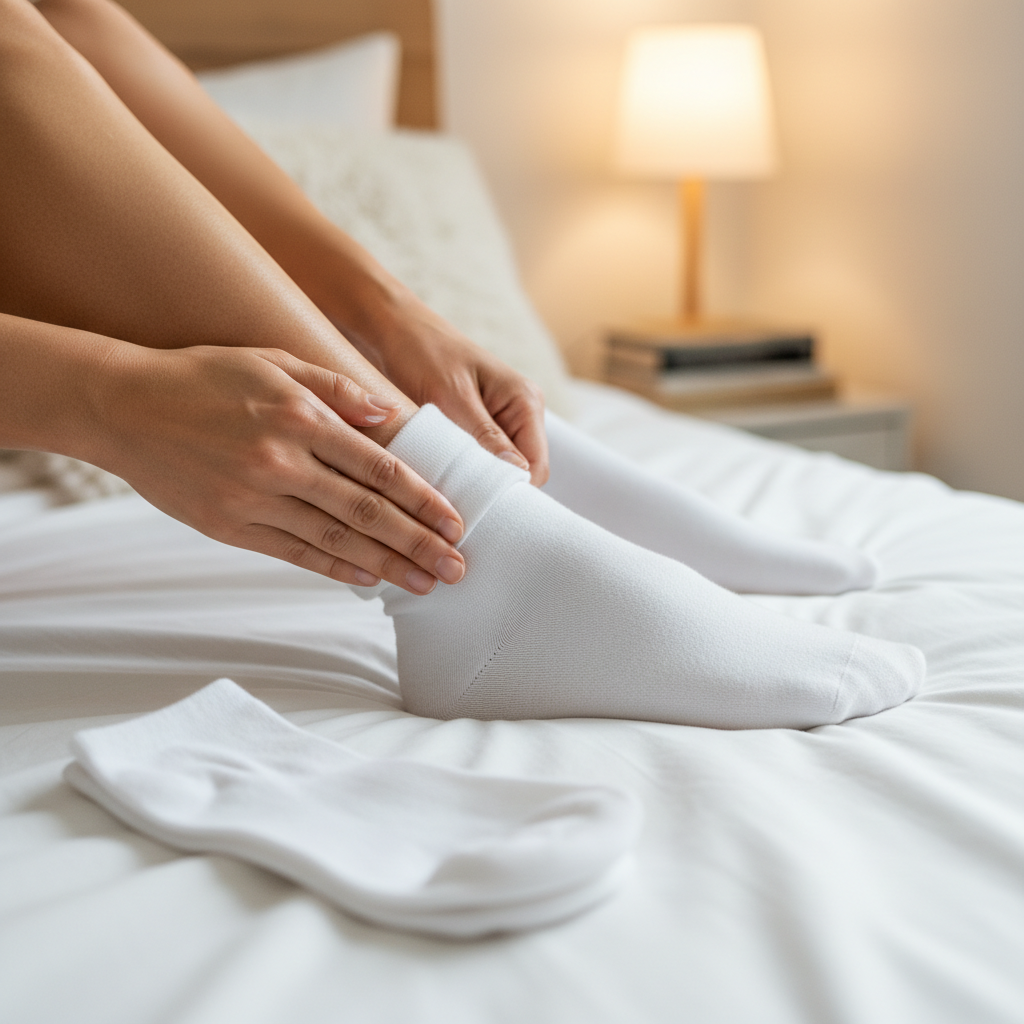
If you only change one habit, make it “cream + socks at night.” It’s boring, but it’s the move most people can stick with.
When to get professional help (don’t tough it out)
Heel cracks are common, but there are situations where DIY care is not enough, or not safe. Consider a podiatrist or dermatologist if:
- Cracks are bleeding, oozing, swollen, or increasingly painful
- You see spreading redness or feel warmth around the fissure
- You have diabetes, neuropathy, or circulation issues (even “small” cracks can become a bigger deal)
- Symptoms suggest fungus and you’re not improving after a reasonable trial of OTC care
- You’ve tried a consistent routine for 2–3 weeks with minimal improvement
This isn’t meant to scare you, just to keep the line clear between routine dryness and something that needs medical eyes.
Conclusion: what to do tonight
If you’re hunting for the best foot cream for dry cracked heels, focus less on hype and more on fit: a urea or lactic-acid cream for thick, rough skin, and a barrier-sealing layer when cracks hurt or split. Then use it nightly long enough to change the skin, not just coat it.
Action plan: pick one cream that matches your heel type, add socks after application, and make footwear a part of the fix. If the cracks look infected, keep recurring, or you have medical risk factors, it’s worth asking a professional instead of experimenting longer.
FAQ
What is the best foot cream for dry cracked heels if my skin is very thick?
Look for higher-strength urea (often 20% or above) or lactic acid, then seal with an occlusive at night. Many people need both “soften” and “lock in” steps to get through thick callus.
How long does it take for a foot cream to heal cracked heels?
For mild cracking, you may notice comfort improvements within days, but texture changes often take a couple of weeks of consistent nightly use. Deep fissures can take longer, especially if friction continues.
Should I use a pumice stone before or after applying cream?
Usually before, and gently. The idea is to reduce buildup so the cream penetrates better, not to sand your heel down aggressively.
Is urea safe for cracked heels?
Urea is commonly used for rough, thick skin, but it can sting if you put a strong formula directly into open fissures. If you’re tender or bleeding, start with barrier repair and add urea later, or ask a clinician.
Why do my heels crack even when I moisturize every day?
Often it’s callus thickness, friction from shoes, or inconsistent “sealing” after moisturizing. Sometimes a skin condition or fungal issue is in the mix, which changes what treatment works.
Can I use petroleum jelly alone?
It can help a lot for sealing, especially overnight, but it doesn’t exfoliate thick skin. Many people do best pairing petrolatum with a urea or AHA cream.
Do I need to worry about athlete’s foot if I have cracks?
Cracks can happen without fungus, but itching, peeling, and burning—especially between toes—raise suspicion. If you’re unsure or not improving, a clinician can confirm what you’re dealing with.
If you’re trying to choose the right routine and want a more streamlined option, it can help to pick one targeted cream for thick, dry heels and commit to a two-week nightly plan, then adjust based on how your skin responds.