
women upcycled clothing fashion trend has moved from “cool niche” to something you can actually build outfits around, but a lot of shoppers still get stuck on the same questions, is it really durable, is it overpriced, and how do you style pieces that look one-of-one.
If you like the idea of buying less new stuff without giving up personal style, upcycled clothing sits in a sweet spot, it can reduce textile waste, support small makers, and give you a wardrobe that doesn’t look like everyone else’s.
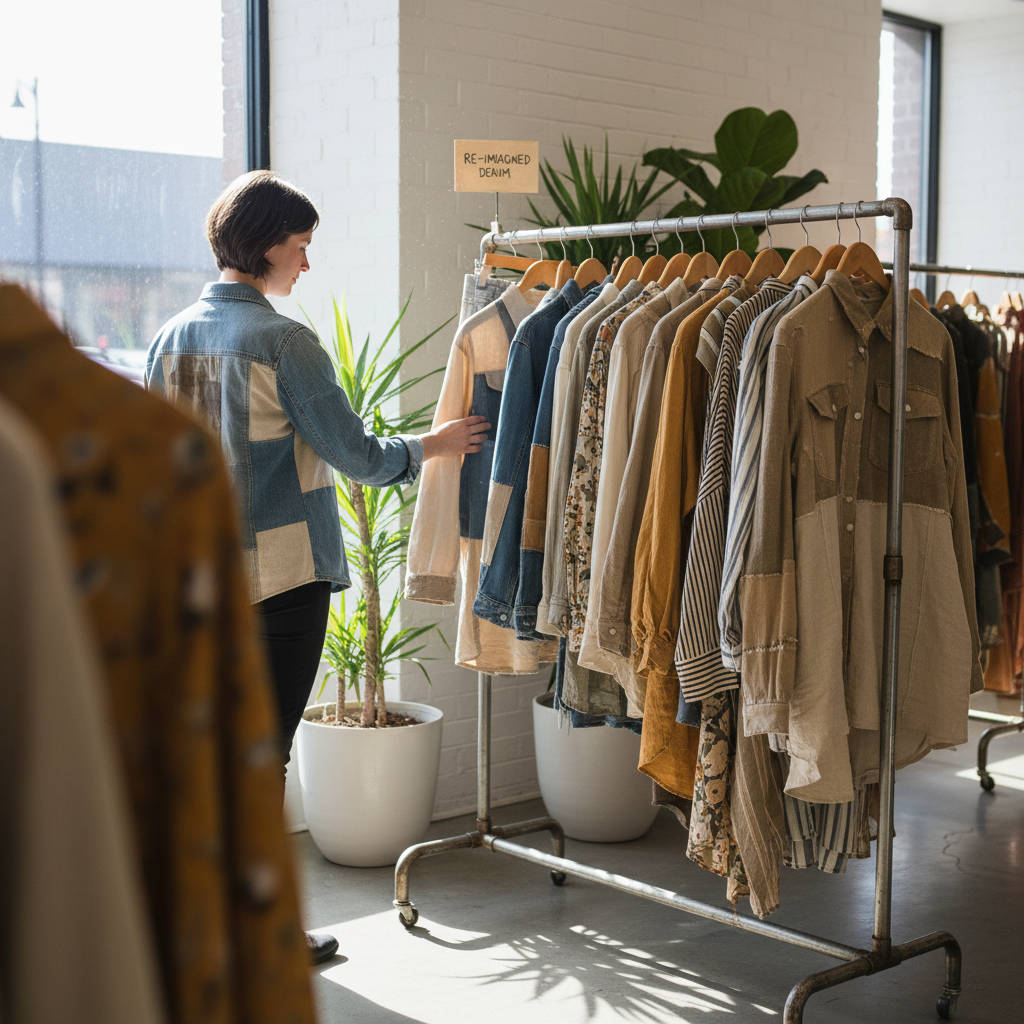
Also, there’s a common misunderstanding worth clearing up early, “upcycled” isn’t the same as “thrifted,” and it isn’t automatically higher quality than fast fashion either. This guide helps you tell the difference, avoid bad buys, and make the trend wearable in real life.
What “upcycled” means in women’s fashion (and what it doesn’t)
In plain terms, upcycling means turning existing materials into something with equal or higher value, like transforming men’s dress shirts into a women’s two-piece set, or rebuilding damaged denim into a new skirt. It’s different from recycling, which often breaks fibers down and can lower material quality.
- Upcycled clothing: redesigned, reconstructed, or re-cut from pre-existing textiles.
- Secondhand/thrift: sold again, usually with minimal alteration.
- Deadstock: unused leftover fabric from production runs, not necessarily pre-worn.
According to U.S. Environmental Protection Agency (EPA), textiles are a significant category in municipal solid waste, and reuse is one way to keep materials in circulation longer. That doesn’t mean every “upcycled” item is automatically sustainable, but it does explain why the category gets attention.
Why the trend keeps growing in the U.S.
For most women, this trend isn’t just about saving the planet, it’s about control, over fit, over quality, and over individuality. Many shoppers feel burned by inconsistent sizing and short garment lifespans, and upcycled brands often lean into slower, more transparent making.
What’s driving demand
- Uniqueness: you’re less likely to see your outfit duplicated at work or brunch.
- Craft details: visible mending, patchwork, contrast panels, and custom dye work feel intentional.
- Value shift: paying for labor and design starts to feel more reasonable than paying for logos.
- Resale culture: buying used and reworked is now normal, not “alternative.”
But reality check, the women upcycled clothing fashion trend can be pricey because small-batch cutting and sewing costs money. If a listing is extremely cheap, it’s worth checking whether it’s truly upcycled or just “distressed new.”
Quick self-check: is upcycled fashion right for your wardrobe?
If you’re trying to decide whether to dabble or go all-in, a fast checklist helps. You don’t need a full closet reset to benefit from upcycled pieces.
- You’re bored with basics and want 1–2 statement items that still work with your staples
- You’re okay with slight variation in shade, texture, or panel placement
- You care about fabric feel and construction more than “this season’s” trend list
- You’re willing to measure, because sizing can vary when garments get re-cut
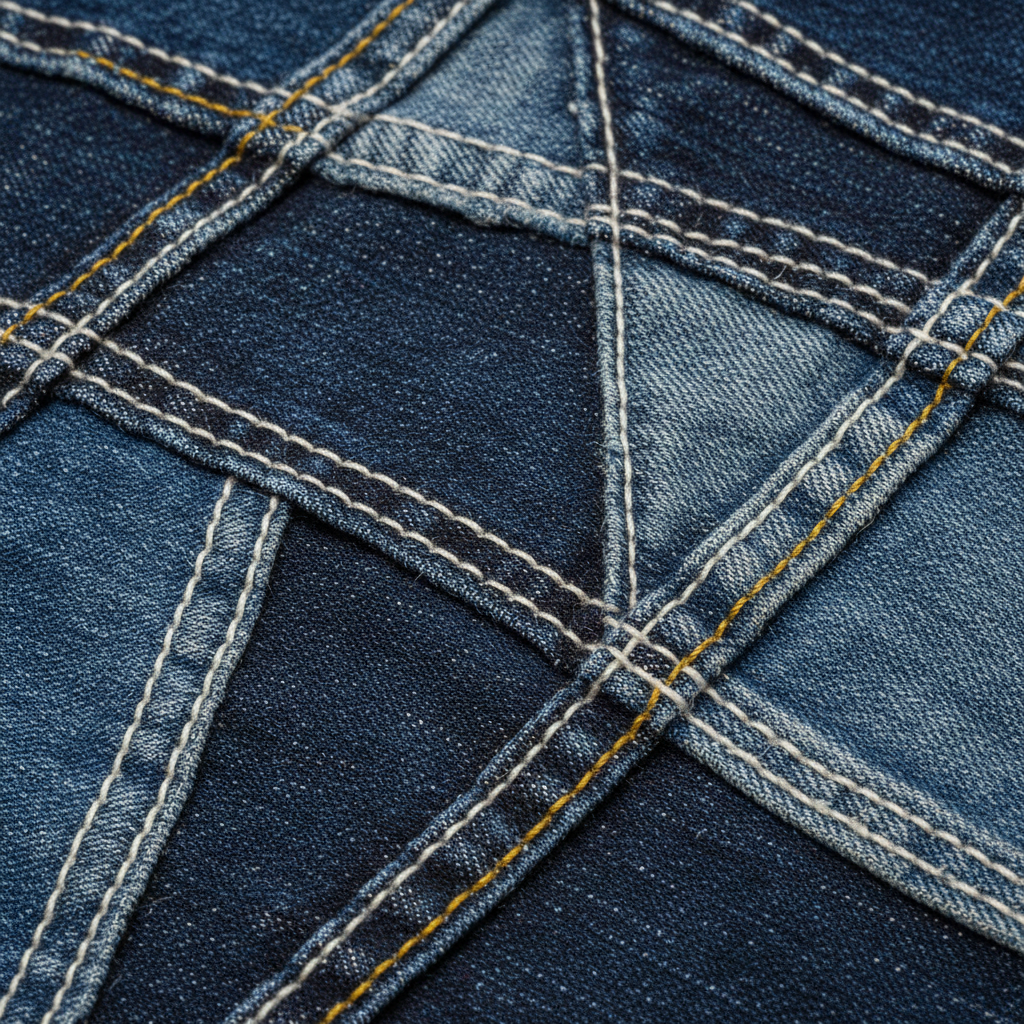
If you need uniformity for a strict dress code or you hate any “surprise” in fit, you can still participate by choosing upcycled accessories, like bags or belts, where sizing stress disappears.
How to spot quality (and avoid “cute but flimsy” upcycles)
Upcycled doesn’t guarantee durability, construction matters. A good maker will reinforce stress points and finish edges cleanly, because they know the original fabric has already lived a life.
Quality signals to look for
- Reinforced seams at shoulders, inseams, and pockets, especially on denim and trousers
- Clean finishing like serged/overlocked edges, bias binding, or stable hems
- Thoughtful panel placement that follows the body, not random patches that twist after washing
- Clear material notes, fiber content, care instructions, and what the item started as
Red flags (common in rushed “upcycle-style” listings)
- Only one photo, or no close-ups of seams
- Vague descriptions like “reworked” with no details
- Obvious puckering around new stitching, which can mean tension issues
- No measurements, only S/M/L, which is risky for reconstructed items
According to Federal Trade Commission (FTC), textile products generally should use proper labeling for fiber content and country of origin when applicable, and while small makers can vary in how they present info, transparency is still a good sign for trust.
Styling the women upcycled clothing fashion trend without looking “costume-y”
This is where a lot of people overthink it. Upcycled pieces often have visual texture already, so the easiest way to style them is to keep everything else quiet.
Easy outfit formulas that work
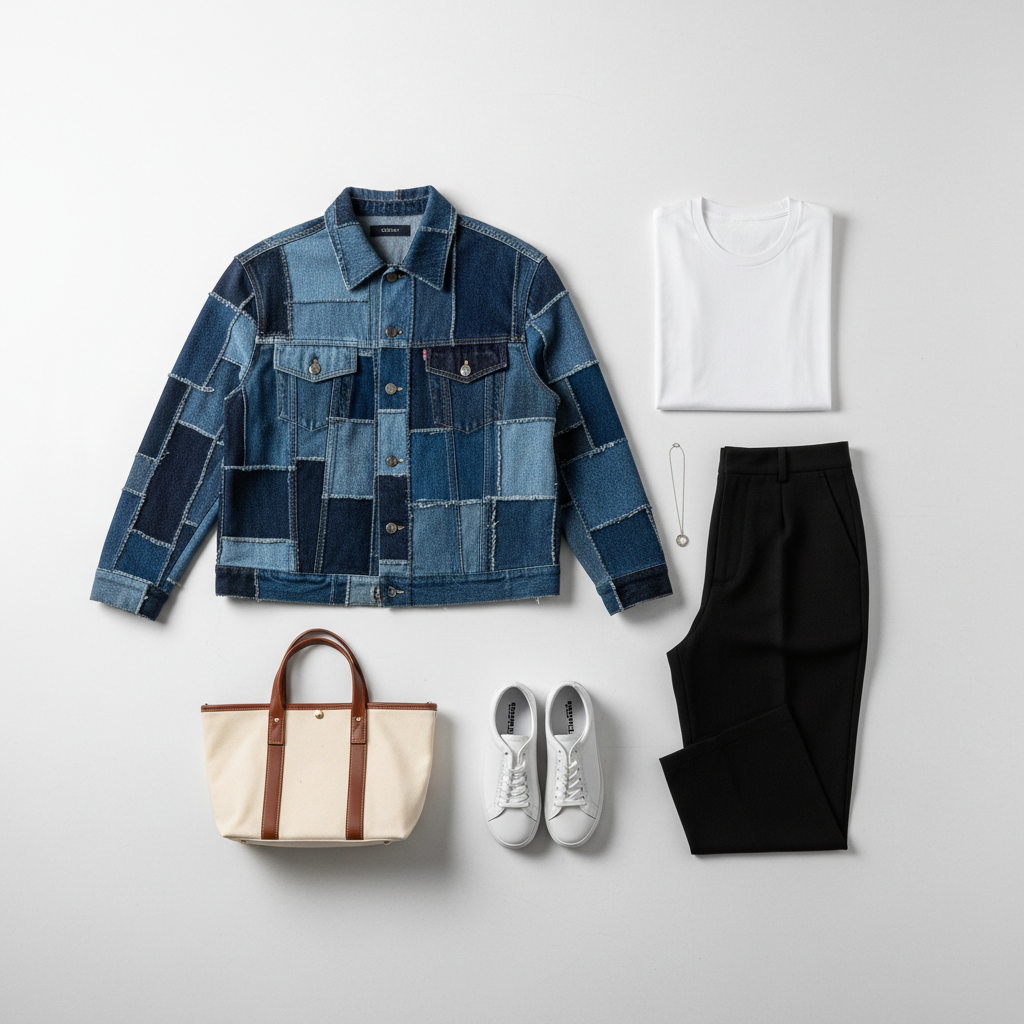
- Statement upcycled jacket + plain tee + straight-leg jeans, let the jacket do the talking
- Reworked men’s shirt dress + minimal belt + simple sneakers, clean and wearable
- Patchwork denim skirt + solid knit top, balance the hard texture with soft fabric
- Upcycled set (top + bottom) + one neutral layer, like a trench or blazer
If you want it to feel modern, keep your color story tight, two neutrals plus one accent usually reads intentional. If you want it to feel artsy, repeat one color from the patchwork somewhere else, a sock, a bag, a hair clip, small details make it look styled, not accidental.
Shopping channels: where to buy, what to ask, what to compare
In the U.S., you’ll see upcycled pieces across small brand sites, Instagram drops, maker markets, and curated resale platforms. Each has tradeoffs, the key is knowing what to ask before you hit buy.
| Where you shop | Pros | Watch-outs |
|---|---|---|
| Independent maker websites | Best transparency, direct support | Limited returns, sizes sell fast |
| Instagram/TikTok drops | Unique finds, real-time try-ons | Impulse buying, fewer details |
| Curated boutiques | Pre-vetted quality, styling help | Higher markup |
| Marketplaces | Wide selection, price range | Inconsistent labeling, mixed quality |
Questions that save you money, even if you feel a little picky asking them, are simple: exact measurements, fiber content, how the fabric was pre-washed, and whether seams were reinforced. If the seller gets annoyed, that also tells you something.
Practical care tips so upcycled pieces last
Care is where you protect your investment. Mixed fabrics and added seams can shrink or twist if you treat them like a regular mall tee.
- Wash cold, gentle, especially for patchwork, over-dye, or visible mending
- Air dry when you can, heat is rough on older elastic and reworked hems
- Spot clean structured pieces like reworked blazers to avoid shape loss
- Test for color transfer on over-dyed items, first wash separately
If a piece has unusual trims or coatings, it may need dry cleaning, and it’s reasonable to ask a professional cleaner what they recommend based on the materials. When in doubt, gentle wins.
Common mistakes that make the trend feel disappointing
Most “upcycled regret” comes from expectation gaps, not from the concept itself. A reconstructed garment won’t behave exactly like factory-made, and that can be a feature or a headache depending on what you wanted.
- Buying without measurements, reconstructed sizing varies more than standard retail
- Over-styling, stacking multiple loud upcycled pieces can look heavy fast
- Assuming it’s always eco-perfect, shipping, dyes, and trims still matter
- Ignoring comfort, some upcycles use stiffer fabrics that need time to break in
Key takeaway: treat the women upcycled clothing fashion trend like you would any premium category, check construction, confirm fit, and buy for your real life, not your fantasy closet.
When it’s worth getting professional help
If you love the look but can’t find the right fit, a tailor can be your best friend. This works especially well if you buy a slightly larger upcycled jacket or trousers and refine the silhouette.
- Consider a tailor for shoulder fit, sleeve length, and waist shaping
- If you have skin sensitivities, ask a professional for advice on linings or seam finishes that reduce irritation
- For major reconstruction, look for an alterations specialist who’s comfortable re-cutting panels, not just hemming
And if a listing claims safety-related features, like “protective” workwear, it’s smart to be cautious and verify specs with a qualified professional, since fashion upcycles usually aren’t certified PPE.
Conclusion: a smarter way to wear the trend
The women upcycled clothing fashion trend works best when you treat it like wardrobe building, not treasure hunting. One well-chosen upcycled layer or denim piece can carry outfits for years, while a rushed buy can end up feeling like clutter with a good story.
If you want a simple next step, pick one category to try, jacket, shirt, or skirt, then buy from a seller who shares measurements and close-up construction photos. Your future self will thank you every time you get dressed fast and still feel interesting.
FAQ
Is upcycled clothing the same as thrifted clothing?
No, thrifted items are resold as-is in many cases, while upcycled pieces are altered or reconstructed into something new. Sometimes a piece can be both, but the terms aren’t interchangeable.
Why does upcycled fashion sometimes cost more than new clothes?
You’re often paying for skilled labor and small-batch production, plus the time it takes to source materials and pattern around existing garments. The price makes more sense when construction and fit are strong.
How do I know if an “upcycled” item is actually upcycled?
Look for clear descriptions of the source material, process photos, seam close-ups, and measurements. Vague labeling without detail is a common warning sign.
What are the easiest upcycled pieces to style for beginners?
Jackets, overshirts, and denim skirts are the most forgiving, they layer over basics and don’t require perfect tailoring to look intentional.
Does upcycled clothing hold up in the wash?
It can, but durability depends on seam reinforcement, fabric age, and care habits. Cold washes and air drying tend to extend life for reconstructed garments.
Can I upcycle my own clothes if I can’t sew?
Yes, but start small, like dyeing, adding patches, or using iron-on mending. If you want a major redesign, a tailor or local maker can help translate your idea into something wearable.
Is the women upcycled clothing fashion trend just a short-lived aesthetic?
Some silhouettes will come and go, but the underlying behavior, buying less new and valuing unique pieces, seems likely to stick around in some form, especially as resale stays mainstream.
If you’re building a lower-waste wardrobe but don’t want to spend hours scrolling, it may help to start with a short list of trusted upcycled makers, ask for measurements upfront, and focus on one “anchor” piece that works with what you already wear.