
how to dress cool in summer heat comes down to two things you can control fast: what touches your skin, and how air moves through your outfit.
If you’ve ever walked outside and instantly regretted your look, you’re not alone, summer outfits often fail for boring reasons like fabric choice, tight fits, and color mistakes that trap heat. The good news, you can stay comfortable without dressing like you’re headed to the beach every day.
This guide breaks down breathable materials, easy outfit formulas, and small tweaks that keep sweat and shine from taking over. I’ll also flag a few “sounds smart but backfires” tips, because summer style has plenty of those.
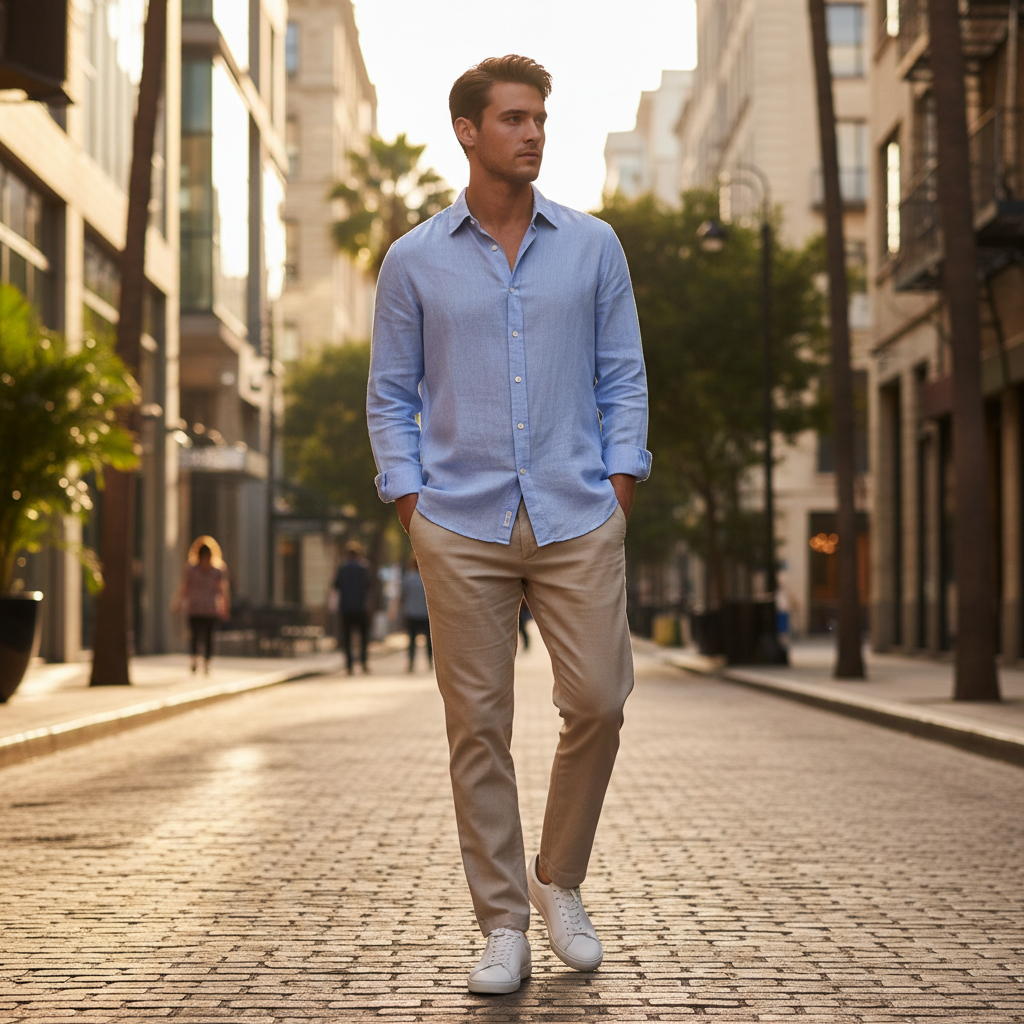
Start with fabric, it matters more than the cut
Most “I’m melting” outfits fail because the fabric holds heat and moisture close to your body. You can wear a decent-looking fit, but if it’s heavy cotton or thick synthetics, you’ll still feel swampy.
According to the U.S. Centers for Disease Control and Prevention (CDC), wearing lightweight, loose-fitting clothing can help in hot weather. That aligns with what you feel in real life: less weight, more airflow, less cling.
Best warm-weather fabrics (and what they’re good at)
- Linen: top-tier airflow, dries fast, wrinkles easily but that’s part of the vibe.
- Cotton poplin or cotton voile: lighter cotton weaves that feel crisp rather than thick.
- Tencel/Lyocell: smooth, drapey, often feels cooler against skin.
- Merino blends (lightweight): can manage odor well, but check thickness and knit.
- Performance fabrics: good for commuting or high-sweat days, just avoid overly plastic-feeling ones.
Fabrics that tend to trap heat
- Thick jersey cotton (common in cheap tees)
- Polyester with low breathability (depends on knit and finish)
- Heavy denim and tight stretch denim
If you’re shopping online, look for keywords like lightweight, breathable, linen blend, poplin, and pay attention to garment weight when brands list it.
Fit for airflow: “relaxed” beats “tight” in the heat
When people ask how to dress cool in summer heat, they often focus on “less clothing.” The bigger win is less cling. You want fabric hovering, not hugging.
Quick fit checks that usually work
- Shirts: you should be able to pinch a bit of fabric at the lower back and chest.
- Shorts: a little room in the thigh helps, especially when sitting.
- Pants: choose taper over skinny, and consider pleats for extra airflow.
- Dresses/skirts: A-line and slip shapes often ventilate better than bodycon fits.
One nuance: oversized can backfire if it’s heavy fabric. A light relaxed shirt feels breezy, a thick boxy tee feels like insulation.
Color and coverage: staying cool without looking underdressed
Yes, darker colors can absorb more heat, but style isn’t just physics. In many situations, coverage with breathable fabric beats minimal coverage with clingy fabric.
| Goal | Try this | Why it helps |
|---|---|---|
| Look cooler instantly | White, cream, light blue, pale olive | Often reflects more sunlight and looks “summer” fast |
| Hide sweat better | Patterns, texture, heathered tones | Breaks up sweat marks compared to flat solid colors |
| Stay polished at work | Lightweight long-sleeve shirt, sleeves rolled | Coverage without overheating when fabric breathes |
| Reduce friction | Longer inseams, looser thighs | Less chafing for walking and commuting |
If you run hot but love black, keep it, just switch to linen, open weaves, or lighter-weight knits so the color doesn’t become the problem.
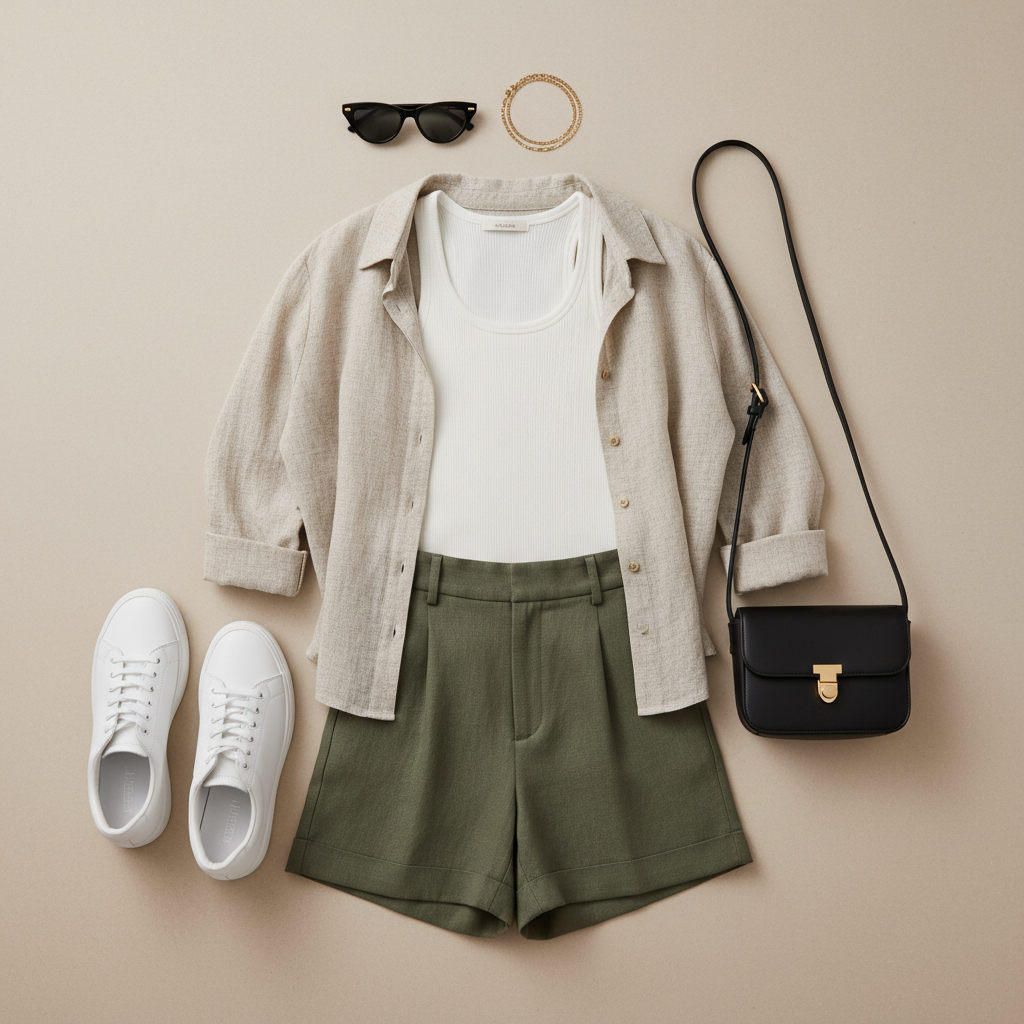
Simple outfit formulas you can repeat all summer
Decision fatigue gets real in a heat wave. These go-to combinations keep you comfortable and still look intentional, even when you’re sweaty, tired, and running late.
For casual days
- Camp-collar shirt + tailored shorts + low-profile sneakers, easy airflow, looks “done.”
- Boxy lightweight tee + drawstring pants (linen/cotton), relaxed but not sloppy.
- Simple sundress + comfortable sandals, minimal effort, maximum ventilation.
For “smart casual” or dinner
- Linen button-up + pleated lightweight trousers, add a belt for structure.
- Knit polo (lightweight) + chinos in a light color, cleaner than a tee.
For office-leaning settings
- Breathable long-sleeve shirt + lightweight chinos, roll sleeves, skip heavy undershirts.
- Unlined blazer + tee or knit polo, only if fabric is thin and the room has AC.
A practical trick: build around one breathable “hero piece” (linen shirt, airy trousers, easy dress), then keep everything else simple so you don’t over-layer.
Sweat, friction, and “looking fresh”: small details that change everything
Heat style isn’t only clothing, it’s how the whole system behaves when you walk, sit, commute, and stand in the sun.
Do this when you sweat easily
- Choose patterns (stripes, small prints) to reduce visible sweat patches.
- Try breathable undershirts that are thin, or skip undershirts if they trap heat for you.
- Use roomier armholes and sleeves, tight pits are where sweat shows first.
- Keep a spare tee or top at work or in the car for high-humidity days.
Do this when chafing is your issue
- Pick longer inseams or looser thighs, especially for walking-heavy days.
- Consider anti-chafe products; skin sensitivity varies, so if you react easily, ask a pharmacist or clinician what’s appropriate.
Also, footwear matters more than people admit. In heat, breathable sneakers, sandals with support, or loafers without heavy lining usually feel better than thick, padded shoes.
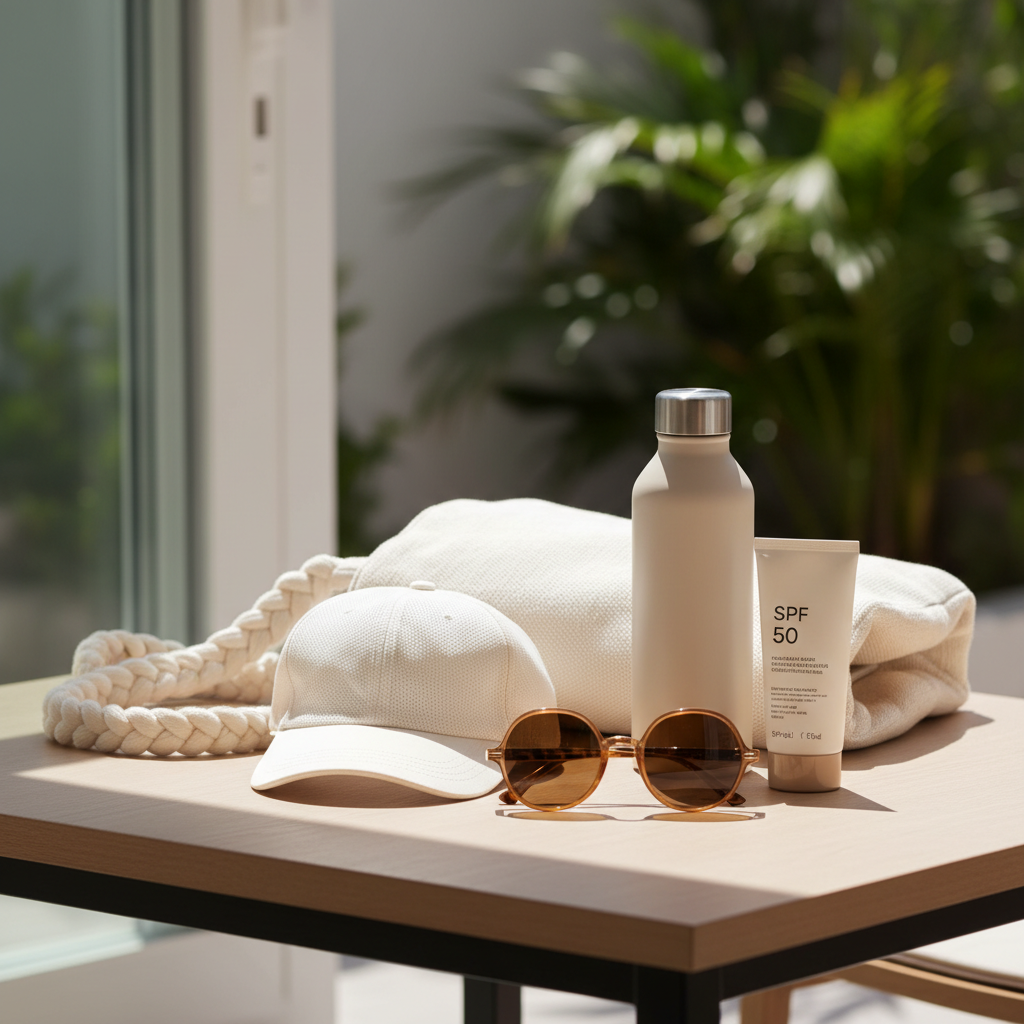
Accessories that help you feel cooler (not just look cooler)
Accessories can either rescue you or make you hotter. The line is simple: avoid anything that blocks airflow or adds weight.
- Hat: a breathable cap or straw-style hat can reduce sun exposure, which often feels like instant relief.
- Sunglasses: not about temperature, but less squinting makes you look calmer even when it’s brutal outside.
- Bag choice: swap heavy backpacks for a light tote or crossbody to reduce back sweat.
- Jewelry: minimal works better, metal can feel sticky in humidity.
If you’re outdoors for long stretches, sun safety becomes part of “cool.” According to the U.S. Food and Drug Administration (FDA), broad spectrum sunscreen helps protect against UVA and UVB, and that protection can matter when you’re choosing coverage versus going sleeveless.
A quick self-check: why your summer outfits still feel hot
If you keep missing the mark, it’s usually one of these issues, not your “style sense.”
- Fabric too heavy, even if the item looks summery on a hanger.
- Fit too tight, especially in the chest, thighs, and waistband.
- Wrong base layer, thick undershirts and non-breathable bras can trap heat.
- Too many “just in case” layers, you carry a jacket, then end up wearing it.
- Footwear too insulated, thick socks and padded shoes make everything feel worse.
Fix the biggest offender first. Swapping one piece, like changing denim to lightweight trousers, often does more than buying five new tops.
Key takeaways and a realistic next step
Learning how to dress cool in summer heat is less about chasing trends and more about building a repeatable system: breathable fabric, relaxed airflow, smart color choices, and sweat-friendly details that don’t feel like a “hack.”
If you want an easy action plan for this week, pick one outfit formula, upgrade one fabric choice (linen or a lighter weave), then test it on your most annoying commute or errand route. You’ll know quickly what works for your body and your climate.
FAQ
What should I wear if I need to look professional in extreme heat?
Go for a lightweight button-up in linen or cotton poplin, and choose breathable trousers with a relaxed taper. Keeping structure in the shirt collar and pants waist reads “professional,” even when the fabric is airy.
Are tank tops the best option for staying cool?
Sometimes, but not always. If your skin is in direct sun, a breathable long-sleeve can feel cooler overall, especially in dry heat. It depends on humidity, sun exposure, and how sensitive you are to heat.
How do I stop sweat stains from showing?
Flat solid colors can highlight sweat. Patterns, textured fabrics, and looser armholes usually help. Also, consider bringing a change of top for long outdoor stretches.
Is linen worth it, even though it wrinkles?
In many cases, yes. Linen wrinkles because it’s breathable and less rigid, and the rumpled look is socially “allowed” in summer. If wrinkles bother you, try linen blends that hold shape a bit more.
What shoes are best when it’s hot but I’ll be walking a lot?
Breathable sneakers with lighter uppers or supportive sandals often feel better than thick, padded shoes. If you’re prone to blisters, socks and fit matter as much as the shoe style.
Do I need moisture-wicking clothes for everyday wear?
Not necessarily. For many people, natural breathable fabrics are enough. Performance fabrics shine for commuting, long outdoor time, or very humid days, but some can hold odor, so wash routines matter.
How can I dress cool in summer heat without buying a whole new wardrobe?
Start by replacing the hottest item you own, often it’s heavy jeans, a thick tee, or a lined shoe. One swap can make the rest of your closet work better.
If you’re trying to refresh your summer closet without overbuying, it can help to pick one “core” breathable outfit you love, then add one or two swap-in pieces for work, weekends, and nights out so you stay comfortable and still feel like yourself.