
The best nail polish for long lasting wear is usually less about a “magic bottle” and more about a system: smart prep, thin coats, a compatible top coat, and a few habits that keep edges from breaking down.
If you’ve ever watched a manicure chip on day two, you already know why this matters, it’s not only annoying, it wastes time and money, and it can make you think your nails “just don’t hold polish.” In most cases, the issue is predictable and fixable.
This guide focuses on what actually changes wear time in real life, what to look for in long-wear formulas, how to match polish type to your routine, and the small technique tweaks that tend to matter more than switching brands every week.
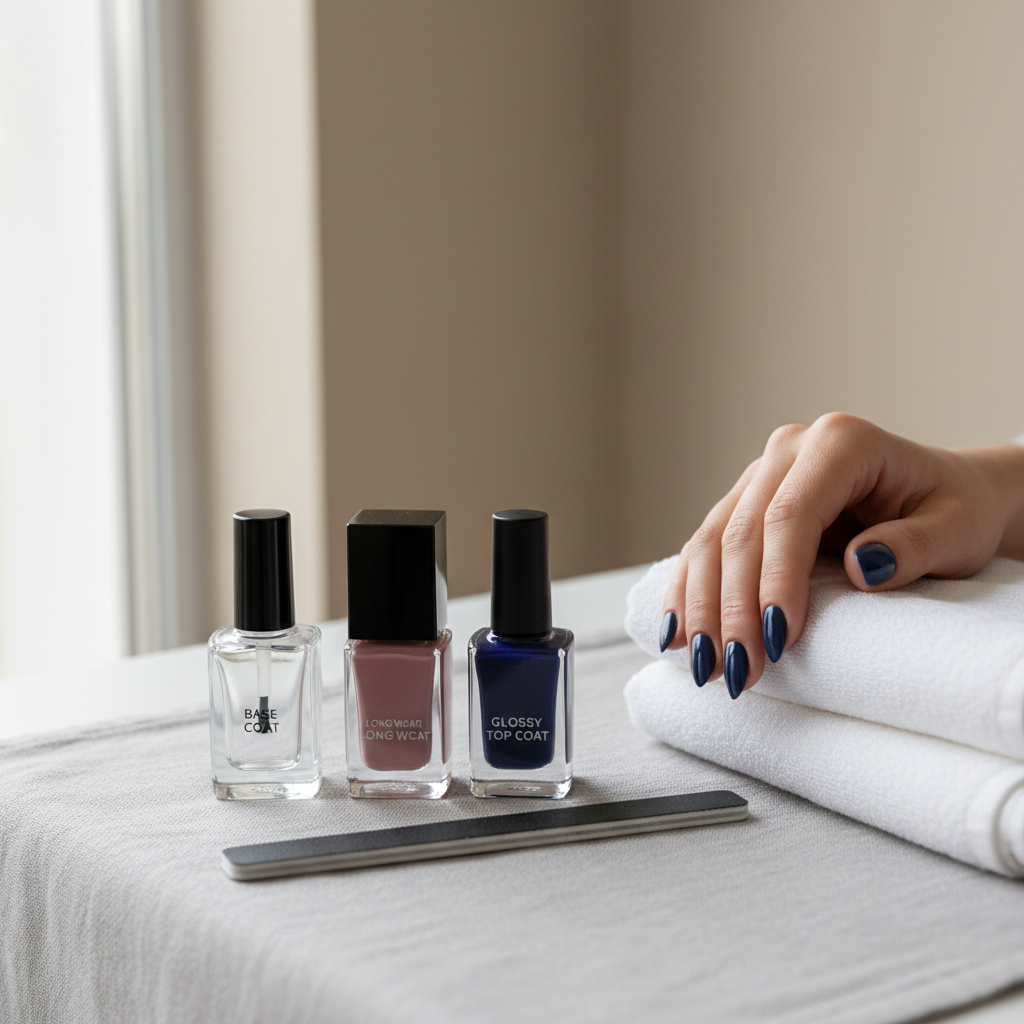
What “long lasting” really means in 2026
“Long lasting” can mean different things depending on the product type and your expectations, for some people it’s five chip-free days, for others it’s “looks decent through a workweek.” Two important definitions help you shop and judge results.
- Chip resistance: how well the free edge and sidewalls avoid cracking or lifting.
- Gloss retention: how long the finish stays shiny before turning dull or scuffed.
In practice, traditional polish often lasts 3–7 days with good prep, gel-like (no-lamp) systems can stretch a bit longer, and cured gel can last longer still, but removal and nail sensitivity become part of the decision. According to the American Academy of Dermatology Association, nail cosmetics and removal practices can irritate skin or contribute to nail brittleness in some people, so “longer” is not always “better” if your nails feel worse after each cycle.
Why your manicure chips early (the causes that show up most)
When long wear fails, it usually fails at the edges, and the reasons are fairly consistent. The list below is where most people get tripped up, even if they’re using the best nail polish for long lasting claims on the label.
- Surface oil or residue: lotion, cuticle oil, sunscreen, even some hand soaps can reduce adhesion.
- Too-thick color coats: thick layers stay softer longer and dent easily, then edges crack.
- Skipping base coat or using the wrong one: not every base grips every formula well.
- Top coat mismatch: some fast-dry top coats shrink, pulling at the free edge.
- Water exposure early: hot shower + dishes soon after painting can soften fresh layers.
- Natural nail flexibility: bendy nails can “pop” polish at the tip, especially with darker shades.
One more reality check, certain jobs and hobbies are brutal on polish. If you type all day and open packages constantly, you’re basically stress-testing the free edge.
A quick self-check: what kind of wear problem do you have?
Before buying anything new, pinpoint the failure mode. This takes two minutes and usually saves you from random trial-and-error.
- Chips at the tip within 24–48 hours: often edge sealing, shrinkage, or nail flexibility.
- Peels off in sheets: adhesion issue, oil on the nail, or base coat mismatch.
- Dents and smudges even after “dry”: coats too thick, not enough cure time, or soft formula.
- Dull, scratched finish by day three: top coat quality, lifestyle friction, or no refresh layer.
- Polish lifts near cuticle: flooding cuticles, not cleaning up the margin, or nail growth stress.
If you see peeling instead of chipping, don’t automatically blame the brand, focus on prep, base coat, and keeping product off skin.
The shopping guide: picking the best nail polish for long lasting wear
You don’t need a 40-step routine, but you do need the right “category fit.” Here’s a practical way to choose long-wear options without chasing hype.
Long-wear polish types (and who they suit)
| Type | What it is | Typical fit | Watch-outs |
|---|---|---|---|
| Traditional lacquer | Air-dry color + base/top coat | Most people, easy removal | Needs solid prep, can chip with heavy hand use |
| “Gel-like” (no lamp) | Thicker, plumper finish, air-dry | If you want more gloss and a cushiony look | Can dent if applied thick, may need longer dry time |
| Hybrid systems | Brand-specific base/color/top designed to work together | If you want predictable results without experimenting | Mixing with other top coats sometimes shortens wear |
| UV/LED gel | Cured coating with very high durability | If you need maximum wear and have proper removal habits | Over-filing/acetone can dry nails, skin sensitivity is possible |
Formula features that often correlate with better wear
- Good brush control: wider, rounded brushes make thin, even coats easier.
- High-quality base coat options: ridge-filling and bonding bases serve different nails.
- Top coat that stays hard: a durable top layer matters as much as the color.
- Reasonable dry time: ultra-fast isn’t always best if it shrinks and exposes edges.
If you’re comparing products, treat “long-wear” claims as a starting point, not a promise. The same polish can last a week on one person and three days on another, mostly because nails and routines vary.
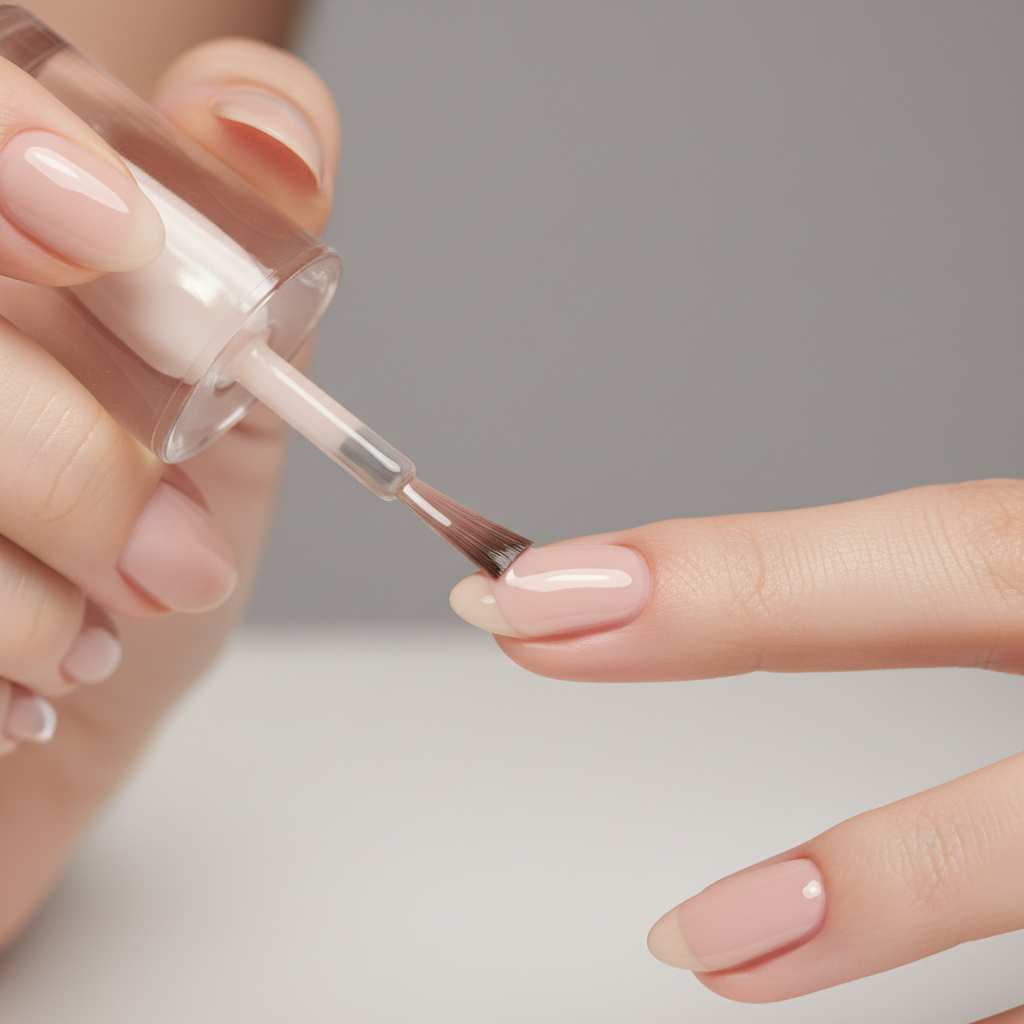
The routine that actually improves wear (step-by-step)
This is the part most people can copy immediately. It’s not fancy, it’s just consistent, and it’s what usually makes the best nail polish for long lasting performance show up in real life.
1) Prep for adhesion, not “spa vibes”
- Shape your nails first, filing after polish is a common way to crack edges.
- Push back cuticles gently, remove invisible cuticle residue on the nail plate if needed.
- Wash hands, then dry thoroughly, avoid applying right after lotion or oil.
- If your nails run oily, a quick swipe with isopropyl alcohol can help, avoid soaking skin.
Skip heavy buffing unless you know you need it, over-buffing can thin nails and make them more flexible, which sometimes increases tip chipping.
2) Base coat: match it to your nails
- Soft, bendy nails: a strengthening or “sticky” bonding base can help.
- Ridges: ridge-filling base smooths, but some are less grippy, test wear.
- Staining shades: use a base that mentions stain protection.
Apply a thin layer and cap the free edge, that small line across the tip matters more than it seems.
3) Color: thin coats, controlled edges
- Two thin coats usually wear better than one thick coat.
- Keep a hairline gap from the cuticle, polish on skin invites lifting.
- Let each coat set a bit, rushing layers traps solvents and stays soft longer.
4) Top coat: treat it like a shield
- Use a true top coat, not clear polish, they behave differently.
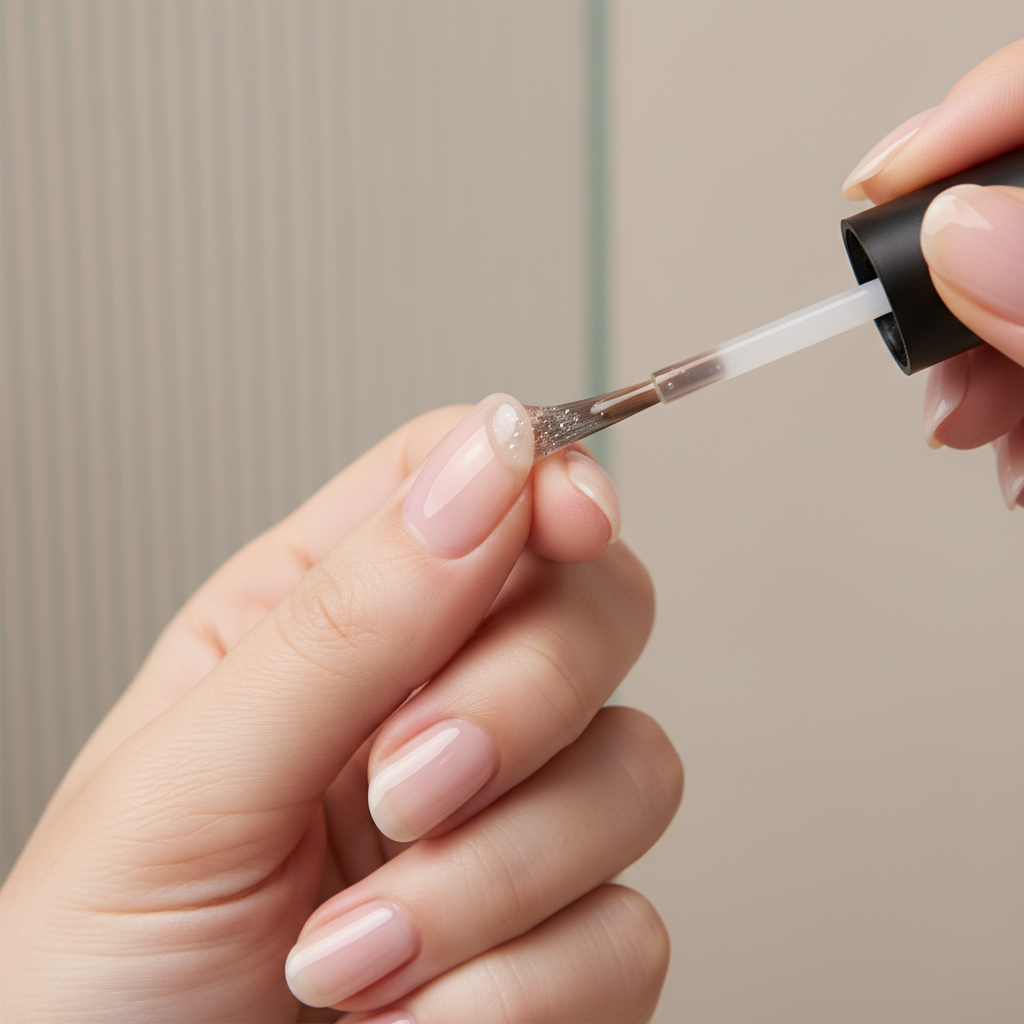
- Cap the free edge again, especially on index and thumb.
- If you get shrinkage, switch top coat type, many people solve chipping right here.
Key takeaway: if you only change one thing, change how thin you apply and how you seal the tip, it’s the fastest path to fewer chips.
Make it last longer: small habits that add days
Wear time often comes down to friction and water. You don’t need to live in gloves, but a few realistic tweaks help.
- Give it a real set window: avoid hot water and heavy tasks for a few hours if possible.
- Refresh top coat: a thin layer on day 2 or 3 can restore gloss and protect edges.
- Use gloves for dishes: constant soaking and detergents are rough on polish and nails.
- Be mindful with can tabs and boxes: use knuckles or a tool, not your nail tip.
- Oil after it cures: cuticle oil can improve flexibility around the nail, apply after polish sets.
According to the U.S. Food and Drug Administration (FDA), nail products are cosmetics and should be used as directed on the label, if you notice irritation or unusual reactions, stopping use and seeking medical advice is the safer move.
Common mistakes that sabotage long wear
Some mistakes feel harmless because the manicure looks fine at first, then day two arrives and everything peels. These are the repeat offenders.
- Painting right after a shower: nails can absorb water and expand slightly, later they contract and stress polish.
- Flooding the cuticle line: it looks neat until it lifts, then chips travel.
- Using hand sanitizer as “prep”: it can leave residues, and it can irritate skin around nails.
- Overloading quick-dry drops: helpful sometimes, but too much can soften layers underneath.
- Mixing systems randomly: some base/top combos fight each other, if wear suddenly tanks, simplify.
If you feel stuck, do a controlled test week, same prep, same base/top, change only one variable, otherwise you never learn what helped.
When it’s time to consider gel or get professional help
If you’ve dialed in prep and still can’t keep polish on past a couple days, it may be your nail flexibility, your work conditions, or sensitivity issues. Gel can be an option, but it’s not automatically “better” for everyone.
- Consider UV/LED gel if you need maximum durability and you can remove it gently, no aggressive scraping.
- Pause and ask a professional if you notice persistent splitting, discoloration, pain, or skin irritation, these can have causes beyond cosmetics.
- Be cautious with allergies: if you’ve reacted to nail products before, patch/avoidance guidance from a clinician is often smarter than experimenting.
Many salons can also help troubleshoot lifting patterns, sometimes it’s as simple as reshaping the free edge or switching base type for your nail surface.
Conclusion: a long-lasting manicure is a method, not a miracle
If you want the best nail polish for long lasting results, pick a polish type that fits your lifestyle, then commit to thin coats, clean edges, and a top coat that plays nicely with your color. That combo usually beats chasing the newest “chip-proof” label.
Action steps worth doing this week: run the self-check to identify your failure mode, then do one controlled test manicure where you change only one thing, most people see improvement quickly once the real culprit shows up.