
Best swimsuits for curvy women usually come down to three things: dependable support, smart coverage, and a fabric that stays opaque when wet. If you’ve ever felt like a cute suit turns into a constant “adjust-and-tug” situation the second you move, you’re not alone, and it’s not your body, it’s the construction.
This matters more than people admit because swimwear is one of the most technical items in a wardrobe, small pattern changes affect lift, comfort, and how secure you feel in the water. A suit that fits your bust but cuts into your hips, or smooths your tummy but flattens your chest, can ruin a whole beach day.
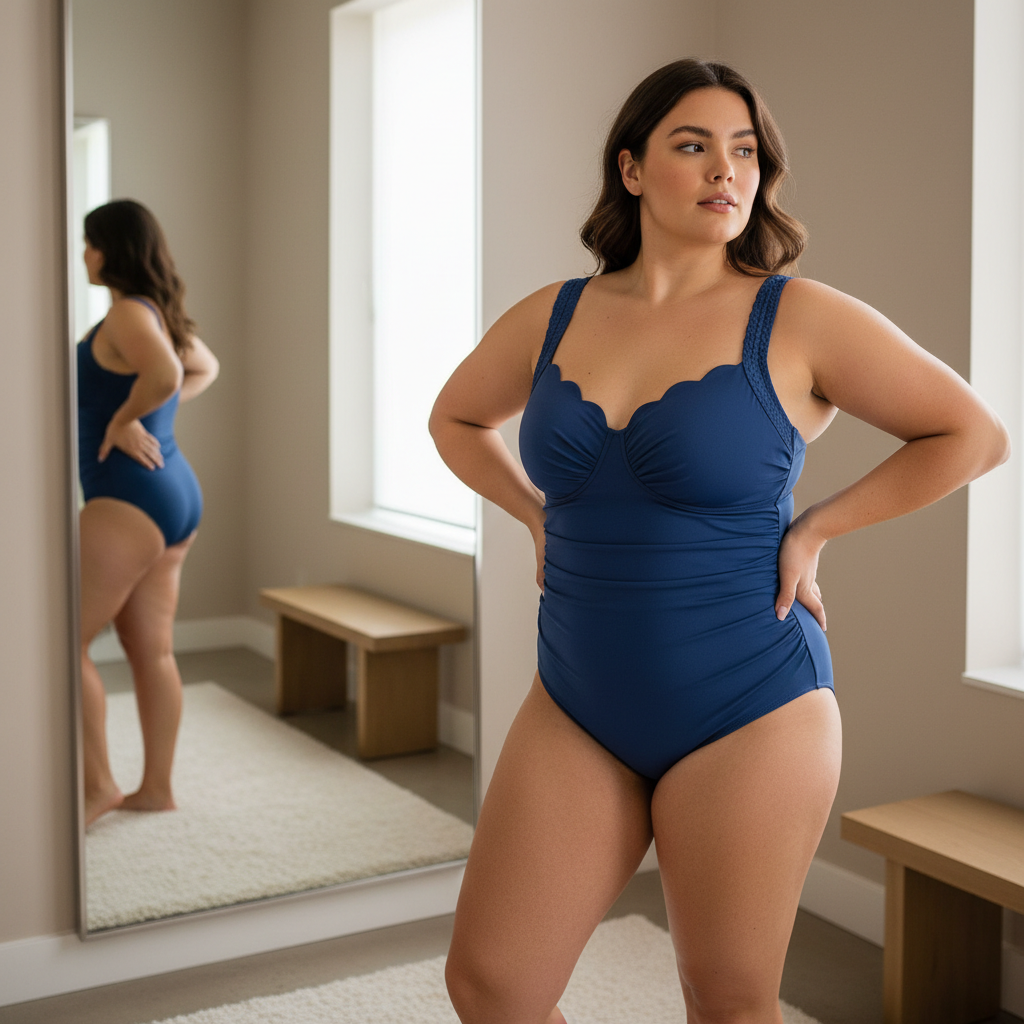
Below is a practical 2026-ready guide that focuses on what actually makes a suit flattering and functional, plus a quick “pick your situation” table, fit checks you can do at home, and a short list of common traps that waste money.
What “best” really means for curvy swimwear in 2026
Trends change, but fit physics stays pretty consistent. In 2026, you’ll still see plenty of high-leg cuts, minimal straps, and slick fabrics, which can look great, but only if the suit is engineered for your proportions.
When I say “best,” I’m talking about suits that do most of this without constant fussing:
- Support that matches bust weight: underwire, molded cups, inner slings, or a firm shelf bra
- Stability at straps and band: wide straps, adjustable hardware, and a snug underbust
- Opacity when wet: lined fabric, darker prints, or double-layer fronts
- Comfortable compression: smoothing panels that don’t roll or pinch
- Secure leg openings: elastic that holds without digging in
According to the U.S. Consumer Product Safety Commission (CPSC), swimwear strings and ties can present entanglement risks in certain settings. That doesn’t mean “never wear ties,” but it’s a good reminder to prioritize secure, well-managed straps, especially for active swimming.
Common fit problems curvy women run into (and what causes them)
Most swimwear frustration comes from one of these mismatch points: bust support, torso length, or hip-to-waist ratio. The suit isn’t “bad,” it just isn’t built for your shape.
1) Bust feels unsupported or spills at the top
This often happens when cups are too shallow or the underbust band is too loose. A deep V can also “invite” spillover if the center front lacks structure.
- Look for underwire, molded cups, or a power mesh lining inside the bust.
- Prioritize adjustable straps and a firm band; straps alone shouldn’t carry the weight.
2) Suit rides up, shifts, or feels like it might slip
Low backs, thin straps, and minimal side seams can drift when fabric gets wet. If you’re between sizes, sizing down sometimes helps, but only if you still get enough cup depth.
3) Tummy area feels tight, but the chest is loose
This is a torso-length and grading issue. Many suits scale width more than length, so curvier sizes may need extra torso room. Consider “long torso” cuts if available, or a two-piece with a supportive top and higher-rise bottom.
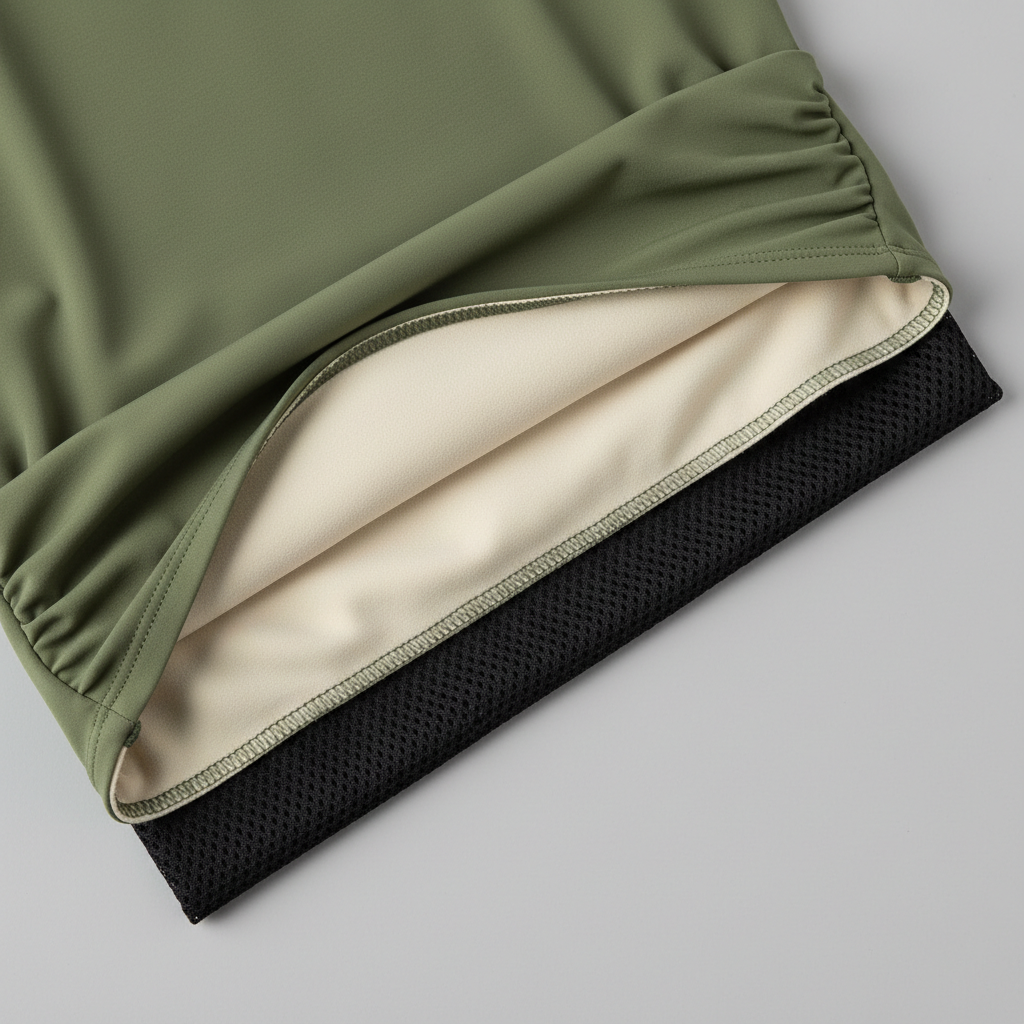
One more thing people don’t expect: some “smoothing” fabrics feel great dry, then relax in water. If a suit feels only barely snug in the fitting room, it may get looser once wet.
Quick picker: match your body goal to the right swimsuit features
If you want fewer options and more certainty, use this as your shortcut. Think in terms of features, not just silhouettes.
| What you want | Styles that often work | Features to prioritize |
|---|---|---|
| Lift + security for a fuller bust | Underwire bikini, balconette top, structured one-piece | Underwire, adjustable straps, wider band, inner sling |
| Smooth midsection without feeling squeezed | Ruched one-piece, wrap-front one-piece, high-waist set | Power mesh front lining, ruching, wide waist seam |
| Balance hips and shoulders | Square neck one-piece, off-shoulder with support, color-block | Wide straps, higher side panels, darker bottom tones |
| Longer torso comfort | Long-torso one-piece, tankini, high-waist bikini | Extra torso length, adjustable straps, flexible stretch recovery |
| Active swimming and beach sports | Sport one-piece, zip-front suit, cross-back top | Firm elastic, secure closures, minimal dangling ties |
Best swimsuit styles for curvy women (what to choose and why)
There isn’t one “perfect” cut, but there are a few categories that consistently show up in lists of best swimsuits for curvy women because they solve the most common fit issues.
Supportive one-piece with structured bust
This is the quiet MVP for many people: it’s simple, it stays put, and it can look surprisingly modern with a square neck, sweetheart neckline, or subtle cutout.
- Choose: built-in cups, underwire or strong shelf bra, wide straps
- Avoid: thin spaghetti straps if you need lift all day
High-waisted bikini (with a real bra-size top)
A high waist can be more comfortable than a one-piece if your torso length fluctuates between sizes, and it’s often easier to get a true fit by separating top and bottom.
- Choose: bra-sized tops, fuller-coverage bottoms with firm waistband
- Fit tell: waistband sits flat when you inhale, no rolling at the top edge
Tankini that doesn’t float up
Tankinis get a bad rap because some ride up in water. The better versions have a supportive bra inside and a hem designed to stay down, sometimes with side ruching or a banded bottom.
Wrap-front or ruched styles for visual smoothing
Ruching is not magic, but it does break up the “flat shine” that can highlight every crease in bright sun. Wrap styling also creates a diagonal line that many people find flattering.
Try-on checklist: 5-minute test before you commit
In-store mirrors can be misleading, and online returns get old fast. This quick test catches most problems early.
- Strap test: lift your arms and rotate shoulders, straps should stay in place without biting.
- Band test: for supportive tops, the underbust should feel snug; you should fit one to two fingers under it, not a whole hand.
- Squat + sit test: bottoms should stay anchored, no sharp digging at the bikini line.
- Wet-look test: if possible, check lining thickness; if fabric looks thin under bright fitting-room lights, it may turn semi-sheer when wet.
- Movement test: take 10 steps, do a gentle hop; if you instinctively grab the suit, it’s probably not “pool day” secure.
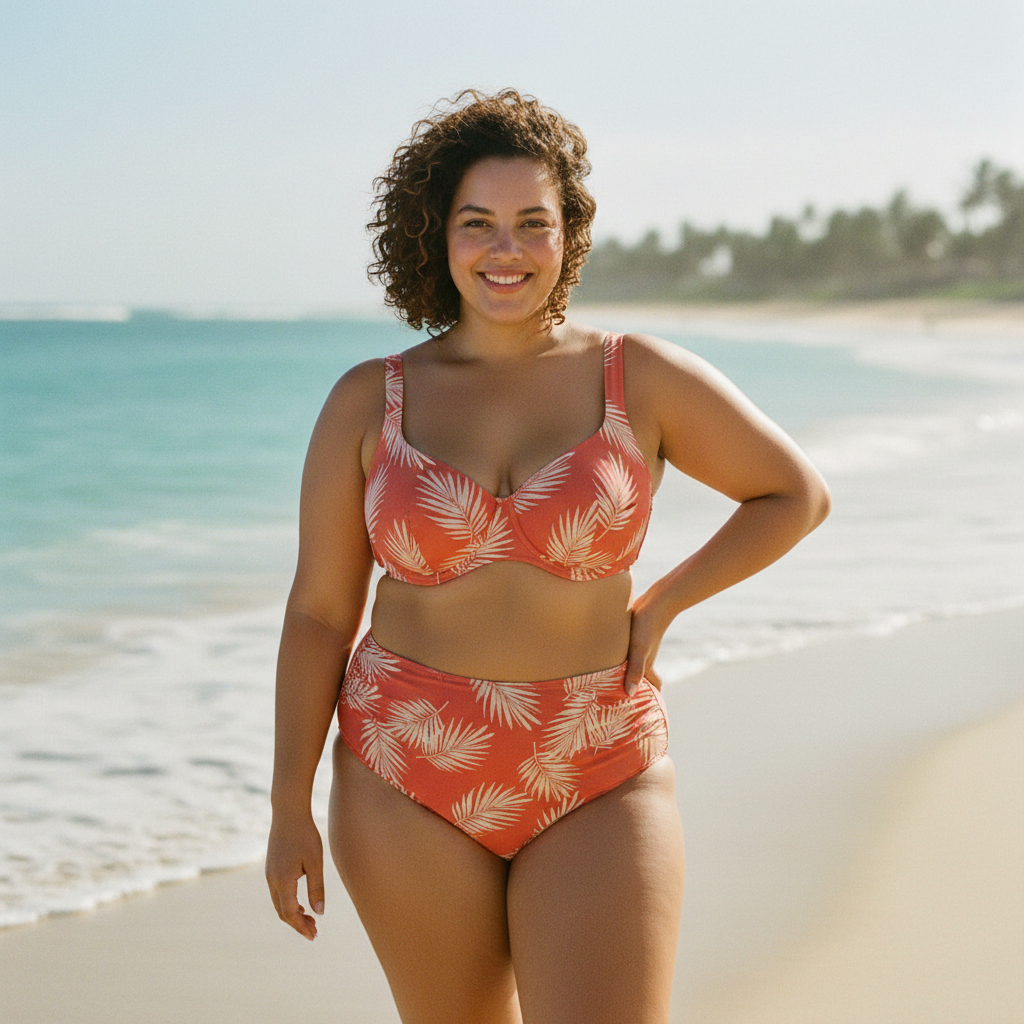
If you’re shopping online, measure your underbust and fullest bust, then compare to the brand’s specific chart, not a generic size converter. Many returns happen because people assume consistency across brands.
Practical buying tips for 2026 (fabric, construction, and sizing)
Here’s where your money usually goes in swimwear: fabric quality and internal structure. Prints and cutouts are fun, but construction keeps you comfortable.
Fabric and lining
- Double lining in the front often helps with opacity and smoothing.
- Look for fabrics with good stretch recovery, meaning it bounces back instead of getting baggy.
- If you’re sensitive to tight compression, choose smoothing panels only where needed, not all-over.
Hardware and adjustability
- Adjustable straps matter more than trendy strap shapes.
- Back closures can offer a more bra-like fit than pull-on styles for fuller busts.
Size strategy
If your top and bottom sizes differ, a set that forces one size can be the wrong kind of compromise. Mix-and-match or bra-sized swim tops tend to make the whole “best swimsuits for curvy women” search much easier in practice.
Common mistakes (that look minor, then ruin the day)
- Buying for how it looks standing still and ignoring movement, most “wardrobe malfunctions” show up when you sit, bend, or swim.
- Over-indexing on tummy control, very firm control can roll at the waistline, especially when wet or when you sit.
- Choosing light solid colors in thin fabric, they’re more likely to show lining edges or become see-through.
- Relying on neck ties for support, they can strain the neck and still fail to stabilize the bust for active days.
- Ignoring torso length, a too-short one-piece pulls at shoulders and creeps at the back, even if it “fits” the bust.
When it’s worth getting extra help
If you have persistent neck, shoulder, or back discomfort in swim tops, or you’re consistently spilling out despite trying multiple sizes, a professional bra fitting can help you translate bra needs into swimwear features. It’s also smart to consult a clinician if pain feels sharp, one-sided, or progressively worse, because swimwear support can’t solve an underlying issue.
If you’re shopping for post-surgery, pregnancy, or postpartum needs, many situations benefit from guidance from your medical team, since compression and support preferences can vary a lot by person and timeline.
Key takeaways + what to do next
Finding a suit that feels good is rarely about hiding, it’s about choosing structure that matches how you move. Start with your primary goal, then shop for the features that deliver it, and do the quick movement test before you cut tags.
- For fuller busts: prioritize underwire or structured cups and adjustable straps.
- For midsection comfort: look for lining and smart ruching, not extreme compression.
- For fewer returns: measure, use the brand chart, and avoid “one-size compromise” sets.
If you’re updating your swim drawer for 2026, pick one “do-everything” suit first, then add a trendier option once you know your best neckline and support level.
FAQ
What are the best swimsuits for curvy women who want strong bust support?
Look for bra-sized swim tops, underwire options, or one-pieces with molded cups and a firm underbust band. In many cases, the band stability matters more than the strap style.
Are high-waisted bikinis actually flattering on curvy bodies?
Often, yes, especially when the waistband is wide and lies flat without rolling. The big win is fit flexibility since you can size the top and bottom separately.
How do I know if a swimsuit will be see-through when wet?
Favor double-lined fronts, darker colors, or prints, and be cautious with very light solids in thin fabric. Bright fitting-room lighting can hint at transparency issues, even before water.
Is “tummy control” worth it in a swimsuit?
It can be, but moderate control tends to feel better for long wear. Very firm compression may roll at the waist or feel restrictive once you sit, eat, or move around.
What swimsuit styles work best for a long torso?
Long-torso one-pieces help when available, but a supportive bikini or tankini can be even easier because it avoids the shoulder pull that happens with short-torso suits.
Do halter tops work for a large bust?
They can, but many people find all-day halters uncomfortable at the neck. If you go halter, choose wider straps and a strong band, and consider it more for lounging than active swimming.
How should a curvy one-piece fit around the legs?
The elastic should hold without pinching. If you see deep indentations or feel rubbing at the crease, try a different leg cut or a slightly different size because discomfort usually gets worse when wet.
If you’re trying to narrow down options quickly, start by deciding whether you need bust engineering (underwire, bra sizing) or torso comfort (two-piece flexibility), then filter your shopping list to only suits with those features, it saves time and cuts down on returns.