
women fleece pullover cozy warm is the kind of search you make when you want comfort fast, but you also don’t want to end up with a boxy top that pills after two washes or feels sweaty indoors.
A good fleece pullover can be your “grab-and-go” layer for errands, chilly offices, school drop-offs, dog walks, and travel days. The tricky part is that “fleece” covers a wide range of fabrics and finishes, and brands don’t always describe them clearly.
This guide breaks down what actually matters: warmth level, breathability, fit, features that change comfort, and how to care for fleece so it stays soft. I’ll also give quick “buying rules” so you can decide in minutes, not hours.
What “fleece” really means (and why some feel better than others)
Most pullovers marketed as fleece are synthetic, usually polyester, brushed to create a soft nap. Some styles blend fibers for stretch or durability, and some use different constructions that change how warm they feel.
- Microfleece: thinner, light warmth, often best for indoor wear or mild weather.
- Midweight fleece: the everyday sweet spot for most people, works as a stand-alone top or a mid-layer.
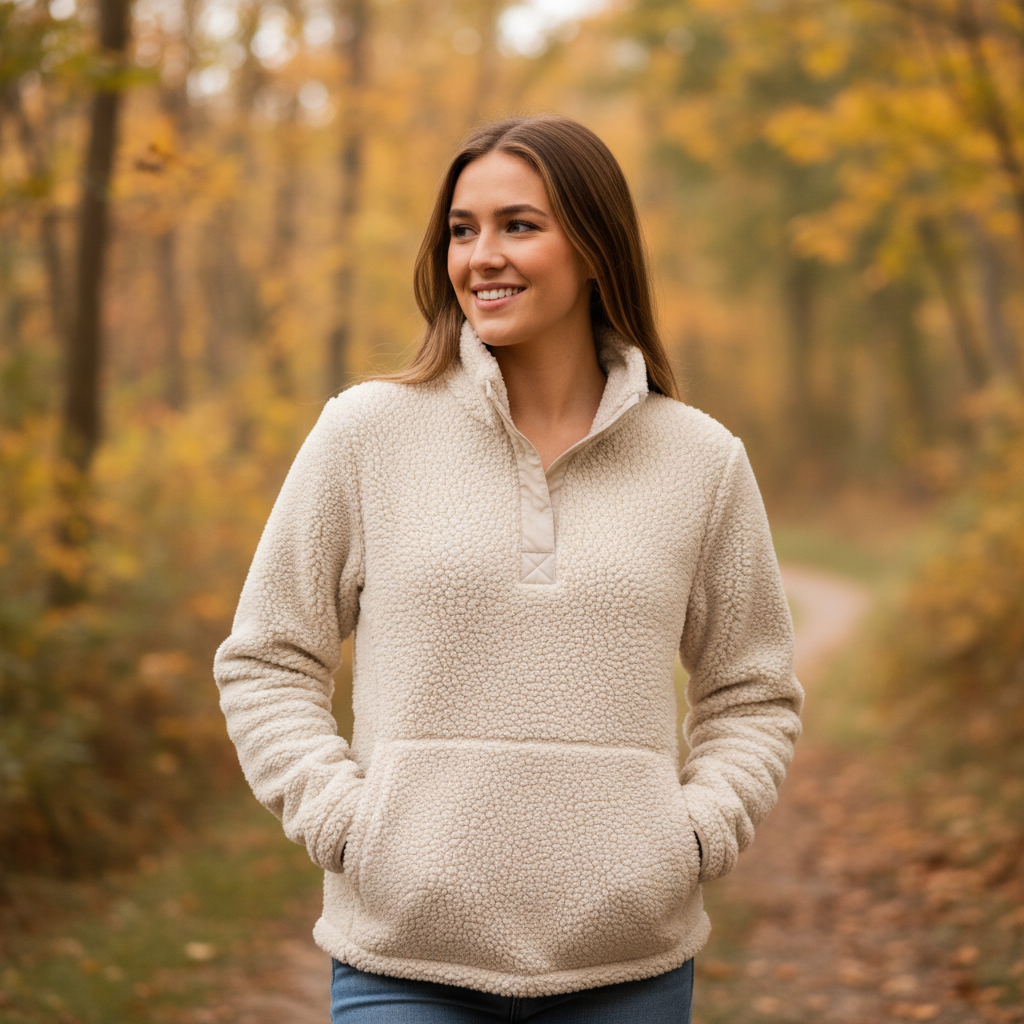
- High-pile / sherpa-style: very cozy and warm, but can feel bulky and sometimes less breathable.
- Grid fleece: patterned interior that can improve airflow and layering comfort, popular for active use.
According to REI... fleece tends to insulate even when damp and dries quickly, which is why it’s common for outdoor layering. The trade-off is that cheaper fleece often pills faster and can trap odors if you wear it hard between washes.
Warmth, weight, and breathability: match the pullover to your real life
Many people buy the warmest option and then realize they overheat the moment they step inside. A better approach is to pick warmth based on where you’ll wear it most.
Quick guide by use case
- Home and lounging: high-pile or soft midweight, prioritize comfort against skin.
- Errands and commuting: midweight fleece with a mock neck or half-zip for temperature control.
- Office layers: smoother fleece face, less bulky sleeves, clean hem that sits well under coats.
- Walking/hiking: grid or midweight with breathability, a zip neck helps a lot.
- Travel: midweight that packs down, resists wrinkles, and has secure pockets.
If you want “one pullover that does most things,” midweight fleece is usually the safest bet. If your priority is that blanket-like feel, go high-pile and accept that it may be less versatile.
Fit checklist: the difference between cozy and frumpy is small
Fit is where comfort and confidence either click or don’t. A women fleece pullover cozy warm should feel relaxed without swallowing your shape, and it should still move with you when you reach, drive, or carry bags.
Try-this-at-home fit test
- Raise both arms overhead: hem should not ride up dramatically.
- Cross your arms: shoulder seams shouldn’t dig into the top of your arm.
- Sit down: the pullover shouldn’t bunch into a thick roll at the waist.
- Zip/neck check: if you hate tight collars, avoid high mock necks without a zipper.
Length matters more than people think. Cropped fleece can look cute with high-rise jeans, but it’s not everyone’s “warm” definition. Tunic length adds coverage but can feel heavy under a coat.
Features that actually improve comfort (not just marketing)
When two pullovers feel similar on a hanger, the small details decide whether you keep reaching for it.
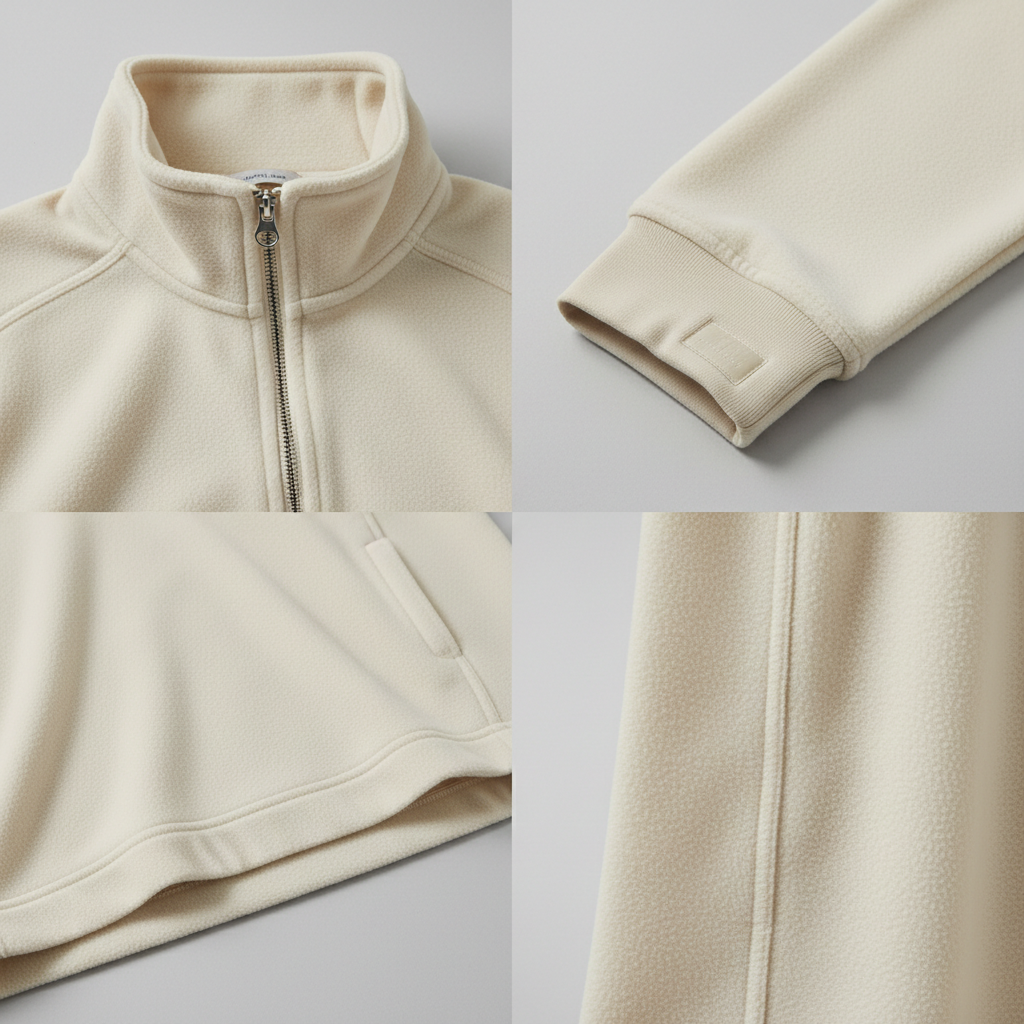
- Half-zip or quarter-zip: better heat dumping, especially for walking or hot flashes.
- Stand collar: adds warmth where wind hits first, without needing a scarf.
- Kangaroo pocket vs. zip pockets: kangaroo feels cozy, zip pockets are better for keys and travel.
- Elastic cuffs/hem: seals warmth, but too-tight elastic can feel restrictive.
- Raglan sleeves: often more comfortable for broader shoulders and layering.
One underrated point: if the fleece has a smoother outer face, it layers under a puffer or wool coat with less friction and less “grab,” which can make you feel less bulky.
Material and care: how to keep fleece soft and reduce pilling
If your main fear is buying something cozy and watching it turn rough, care habits matter almost as much as fabric quality.
Practical care rules (easy, not precious)
- Wash inside out, cold or cool water.
- Use mild detergent, skip fabric softener in many cases because it can leave residue and hurt moisture-wicking finishes.
- Avoid high heat drying; air dry or low heat helps reduce pilling and matting.
- Keep fleece away from rough items in the wash, like towels or jeans with heavy hardware.
According to the U.S. Environmental Protection Agency (EPA)... synthetic textiles can shed microfibers during washing, and these may contribute to microplastic pollution. If this is a concern, a microfiber-catching laundry bag or filter can help, though results vary by setup.
Buying comparison table: choose faster, regret less
Here’s a simple way to line up options without getting stuck in endless tabs.
| What you want most | Look for | Likely trade-off |
|---|---|---|
| Maximum cozy warmth | High-pile/sherpa, taller collar, roomy fit | Bulkier under coats, can overheat indoors |
| Everyday versatility | Midweight fleece, half-zip, clean hem | Less “blanket feel” than high-pile |
| Active comfort | Grid fleece, breathable panels, zip neck | May feel less plush against skin |
| Polished casual look | Smooth-faced fleece, structured collar, minimal hardware | Can feel less cozy than brushed styles |
| Budget-friendly warmth | Simple midweight fleece, reinforced seams, basic fit | Pilling risk may be higher |
How to build outfits around a fleece pullover (without feeling bulky)
Cozy doesn’t have to mean shapeless. A few styling choices keep a women fleece pullover cozy warm from looking like “I gave up,” even when comfort is the whole point.
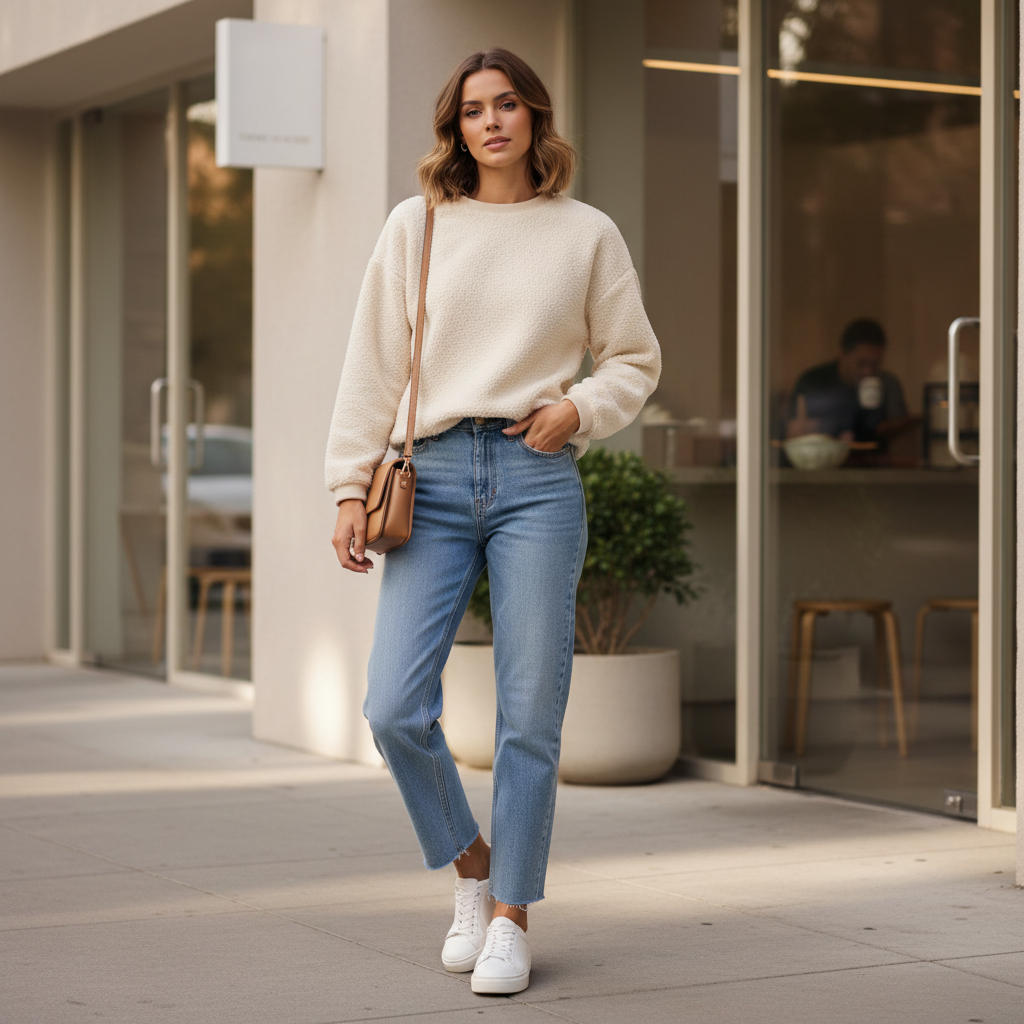
- Pair volume with structure: if the pullover runs oversized, choose straight-leg jeans or leggings with a clean waistband.
- Use the collar: a half-zip slightly open reads intentional and breaks up the “one big soft shape.”
- Layer smart: thin base layer under fleece adds warmth without adding bulk, especially in sleeves.
- Think footwear: sneakers keep it sporty, ankle boots make it look more put-together.
If you’re constantly yanking the hem down, that’s usually a sign the pullover is either too short for your preferred rise, or too tight at the hips.
Key takeaways + when to get extra help
Key points to remember:
- Pick warmth for your main setting, not your coldest fantasy day.
- Midweight fleece is the easiest “do-most-things” choice.
- A zip neck and decent collar change comfort more than many prints or trims.
- Gentle washing and low heat extend softness and reduce pilling.
If you have sensory sensitivities, skin irritation, or you run hot due to medical reasons, it may help to consult a healthcare professional for personalized guidance, and to look for smoother linings or breathable constructions rather than extra-thick fleece.
Conclusion: a cozy pullover should feel easy, not fussy
The right fleece pullover earns its place because it fits your routine: warm enough outside, comfortable inside, and simple to care for. If you pick the warmth level honestly, check fit with a few quick movements, and choose features that match how you live, you’ll stop “shopping for fleece” and start just wearing it.
If you’re deciding today, start with a midweight women fleece pullover cozy warm in a fit you can layer under a coat, then add a high-pile option later if you want that extra-snug weekend feel.
FAQ
What weight fleece is best for a women’s pullover if I get cold easily?
Many people do well with midweight fleece because it warms without turning into an indoor sauna. If you’re cold in drafty spaces, a higher collar and tighter cuffs can matter as much as thickness.
Is sherpa warmer than regular fleece?
Often, yes, because high-pile fabrics trap more air. But sherpa can be less breathable and feel bulky, so it’s great for lounging or short outings, not always ideal for walking fast or commuting.
How do I stop my fleece pullover from pilling?
You can’t always prevent it, but you can reduce it by washing inside out, avoiding high heat, and keeping fleece away from rough laundry loads. A fabric shaver can help if pilling shows up.
Should a fleece pullover be tight or oversized?
Neither extreme is mandatory. For layering, you usually want a bit of room in the shoulders and chest, with a hem that doesn’t cling. If you hate bulk, go relaxed but not oversized.
Is fleece okay for sensitive skin?
It depends on the person and the fabric finish. Some brushed fleeces feel amazing, others can feel scratchy or trap heat. If you’re sensitive, look for smoother-faced fleece or wear a soft base layer underneath.
Can I wear a fleece pullover in the rain?
Light rain is usually fine for short periods because fleece keeps insulating when damp, but it isn’t waterproof. For steady rain, add a shell jacket on top.
What features matter most for travel?
Zip pockets, a collar that doubles as warmth on planes, and a fabric that doesn’t attract lint easily. Midweight fleece typically packs better than high-pile options.
Lightweight next step
If you’re trying to find a women fleece pullover cozy warm option that fits your routine without trial-and-error returns, it helps to shortlist two styles: a midweight half-zip for daily wear and a plusher high-pile for home, then compare fit and collar comfort before you commit.