
The best face mask for glowing skin is the one that matches your skin’s current mood, not just what’s trending, because “glow” can mean hydrated and smooth for one person, and calm plus even-toned for another.
If you’ve tried a few masks and only gotten temporary shine, tightness, or random breakouts, you’re not alone, masks work fast, but they also make mistakes obvious. The good news, once you know what your skin actually needs (water, barrier support, gentle exfoliation, or inflammation control), picking a mask gets much simpler.
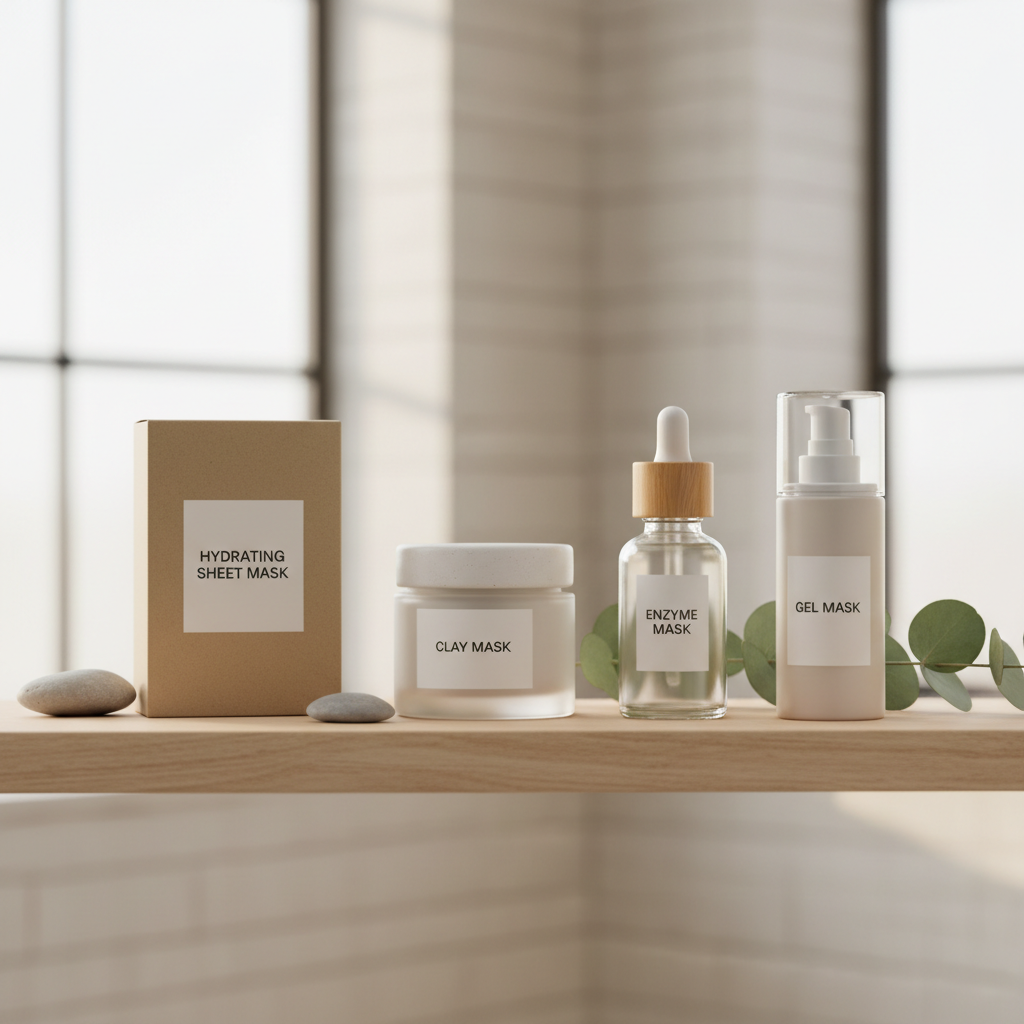
This guide breaks down what “glowing” usually comes from, how to self-check your skin in two minutes, which ingredients tend to help, and the practical way to use masks so you see a real difference without overdoing it.
What “glowing skin” usually means (and what it doesn’t)
Most of the time, glow comes from three basics, hydrated surface cells, a smooth texture that reflects light evenly, and low visible irritation. That’s why people can look “glowy” even without perfect tone.
What glow usually is not, a stinging “active” burn, extreme tightness, or a squeaky-clean feel. Those can signal barrier stress, and barrier stress tends to turn into dullness, flaking, or surprise pimples a few days later.
- Fast glow (same day): hydration + temporary plumping, often from humectants like glycerin or hyaluronic acid.
- Lasting glow (weeks): steady barrier care + gentle cell turnover, often from ceramides, niacinamide, mild exfoliants.
- “False glow”: oil slick or post-irritation redness that looks bright under certain lighting.
Why your face mask might not be delivering glow
People often blame the product, but the mismatch is usually the real issue. Here are patterns that show up again and again.
- Over-exfoliation disguised as “radiance”: using strong acids too often, then layering a mask on top. Skin can look shiny, then get rough.
- Barrier is underfed: you want brightening, but what you need first is fewer irritants and more lipids (ceramides, squalane).
- Wrong mask for your oil pattern: clay everywhere can dehydrate cheeks, while leaving the T-zone congested if you rinse too fast.
- Too long, too hot, too often: long masking sessions, hot water rinses, daily “self-care” masking, all can backfire.
- Fragrance or essential oils: many people tolerate them, but if you’re sensitive, they can quietly keep your skin inflamed.
According to the American Academy of Dermatology (AAD), fragrance is a common trigger for skin irritation and allergic reactions, which is exactly the opposite of what you want when chasing glow.
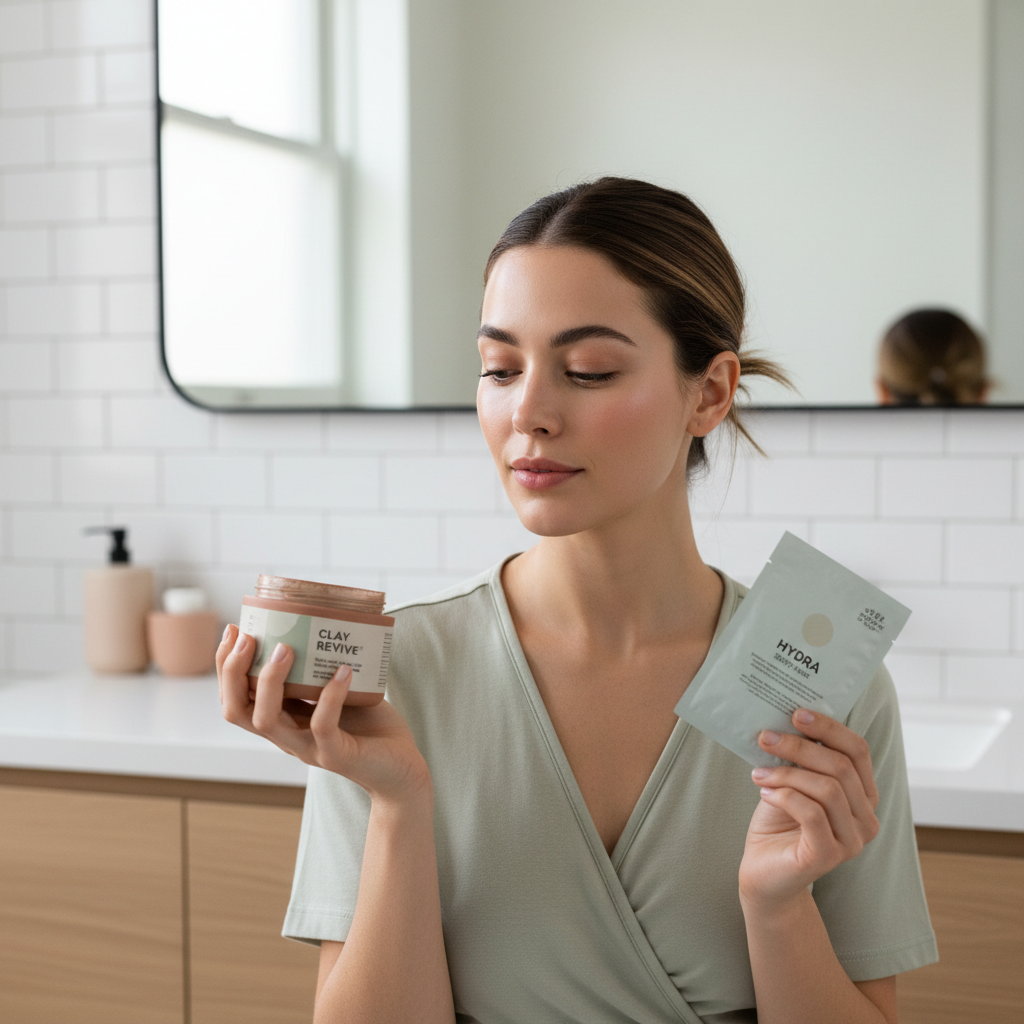
2-minute self-check: which “glow problem” do you have?
If you want the best face mask for glowing skin for your situation, start here. Answer based on how your skin feels most days, not just on a rare “good skin” morning.
Quick checklist
- Tight after cleansing, fine lines look sharper: dehydration + barrier dryness
- Looks dull, makeup clings to patches: surface roughness + mild buildup
- Shiny by noon, pores look stretched: oil + congestion
- Red easily, stings with products: sensitivity/inflammation
- Dark spots look more noticeable: uneven tone (often needs long-game care)
Pick the top two that fit you, that’s usually enough to choose a mask type and avoid the “do everything” trap.
Mask types that tend to create glow (and who they’re for)
Instead of hunting one magic product, treat this like a menu. You can still pick a single go-to, but you’ll choose smarter if you know what each category does.
Hydrating sheet masks (fast, camera-friendly glow)
Great when you feel tight, look dull from dehydration, or want a quick boost before an event. Look for glycerin, hyaluronic acid, panthenol, beta-glucan, aloe, and no heavy fragrance if you’re reactive.
- Best for: normal, dry, dehydrated, sensitive-leaning skin
- Watch-outs: very occlusive formulas can feel greasy on oily skin
Gel-cream sleeping masks (overnight “plump” without drama)
These work like a comfort layer, often with ceramides, squalane, peptides, and niacinamide. If your glow keeps disappearing by midday, this category often helps more than another exfoliant.
- Best for: dry, combo, post-treatment dryness
- Watch-outs: acne-prone users should patch test richer textures
Clay masks (the “cleaner pores” glow)
Clay can make skin look brighter because it reduces surface oil and can loosen debris around pores. For many people, the glow is real, but it’s easy to overdo, especially on cheeks.
- Best for: oily, combo, congested T-zone
- Use smarter: try multi-masking, clay on T-zone, hydrating mask on cheeks
Enzyme or gentle acid masks (texture glow)
If your dullness comes from rough texture, very mild exfoliation can help. “Gentle” matters here, and frequency matters more than intensity. According to the U.S. Food and Drug Administration (FDA), some skincare products containing alpha hydroxy acids can increase sun sensitivity, so daily sunscreen becomes non-negotiable if you use exfoliating masks.
- Best for: dullness from texture, uneven surface
- Watch-outs: irritated or barrier-compromised skin should pause exfoliation
Soothing masks (the calm-skin glow)
If your face runs red or stings easily, glow often arrives after you calm inflammation. Look for colloidal oatmeal, centella asiatica, allantoin, panthenol, and simple formulas.
- Best for: sensitive, redness-prone, post-sun or post-retinoid irritation
- Watch-outs: “cooling” botanicals can still irritate some users
A practical 2026 cheat sheet (table): match your goal to a mask
Use this as a quick picker when you’re shopping or deciding what to use tonight.
| What you want | What likely helps | Ingredients to look for | How often (typical) |
|---|---|---|---|
| Instant “glass skin” look | Hydrating sheet mask | Glycerin, HA, panthenol | 1–3x/week |
| Less dull, smoother makeup | Enzyme/mild acid mask | Lactic acid (low), enzymes, PHA | 1x/week (start) |
| Clean-looking pores | Clay mask (targeted) | Kaolin, bentonite | 1x/week or T-zone only |
| Glow without irritation | Soothing mask | Colloidal oatmeal, centella, allantoin | As needed |
| Dry, tired-looking skin | Sleeping mask | Ceramides, squalane, niacinamide | 1–2x/week |
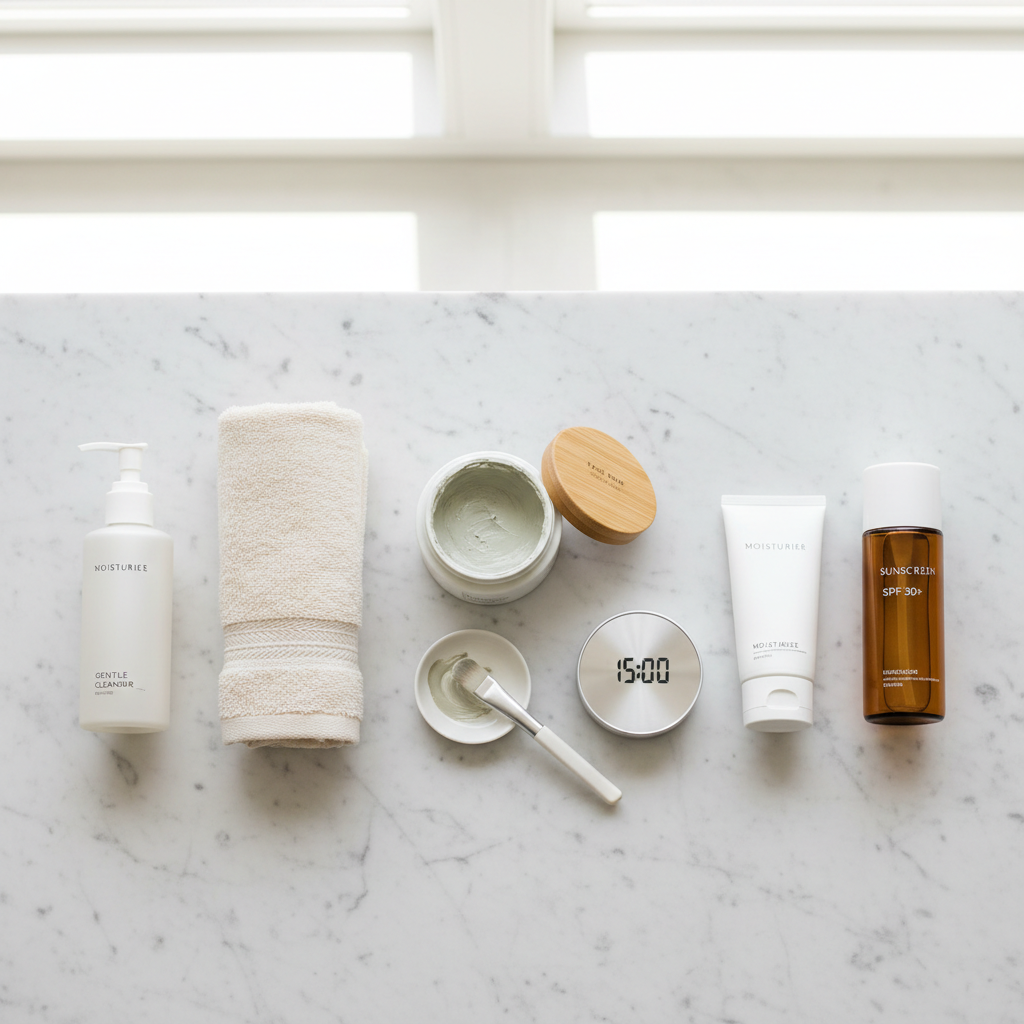
How to use a face mask for glow (without irritating your skin)
This is the part many people rush, then wonder why the results feel inconsistent. You don’t need a 12-step ritual, but you do want fewer variables.
Simple steps that work in real life
- Cleanse gently, avoid hot water, it can exaggerate redness and dryness.
- Time it, set a timer, leaving masks on longer rarely increases benefits.
- Don’t stack strong actives, if you used retinoids or exfoliating acids, pick a soothing or hydrating mask instead.
- Seal the glow, follow with moisturizer, and daytime always finish with sunscreen.
When you want glow today (event plan)
- Night before: soothing or sleeping mask if you’re dryness-prone
- Day of: hydrating sheet mask for 10–15 minutes, then a lightweight moisturizer
- Skip: new exfoliating masks right before photos, that’s where surprise irritation shows up
Common mistakes that quietly sabotage glow
These are easy to fix, and they matter more than buying a more expensive product.
- Letting clay fully crack, that often means your skin is getting too dry. Rinse when it starts to set, not when it turns into cement.
- Using acids “because dull” when your barrier is actually stressed, you’ll get a cycle of shiny-then-rough.
- Ignoring patch testing for fragrance-heavy masks, reactions can be delayed by a day.
- Expecting dark spots to vanish from masking, tone issues usually need consistent sunscreen plus targeted actives over time.
According to the American Academy of Dermatology (AAD), daily sun protection is a key part of preventing uneven tone and discoloration from getting worse, so a “glow routine” without sunscreen tends to plateau.
When you should ask a professional
If you’re chasing the best face mask for glowing skin but keep getting irritation, there may be more going on than product choice. It’s reasonable to check in with a dermatologist, especially if symptoms persist.
- Stinging, burning, or swelling after multiple products
- Rash, hives, or worsening redness that doesn’t settle
- Moderate-to-severe acne, cysts, or scarring concerns
- Suspected eczema, rosacea, or contact allergy
And if you’re pregnant, nursing, or using prescription topicals, it’s smart to confirm ingredient compatibility with a qualified clinician, since guidance can vary by individual situation.
Conclusion: a “best” mask is really a best match
The fastest path to glow is picking one mask that supports what your skin lacks right now, hydration for tightness, gentle texture help for dullness, clay only where you get oily, and calming care when you’re sensitive. If you do just one thing this week, run the self-check and adjust your mask type instead of masking more often.
Want an easy next step, choose one hydrating option for quick wins, and one barrier-supporting option for maintenance, then keep exfoliating masks as an occasional tool, not a weekly reflex.
Key takeaways
- Glow usually comes from hydration + smooth texture + low irritation.
- Mask type matters more than hype, match it to dryness, oil, texture, or sensitivity.
- Don’t over-stack actives, it’s the fastest way to lose glow.
- Sunscreen protects the results, especially if you exfoliate.
FAQ
What is the best face mask for glowing skin if I have dry skin?
Hydrating sheet masks and sleeping masks tend to work well because they increase surface hydration and reduce that tight, flat look. If you flake easily, prioritize barrier ingredients like ceramides and panthenol over strong exfoliants.
How often should I use a face mask for glow?
Many people do well with 1–3 times per week depending on mask type. Exfoliating masks usually need less frequency than hydrating ones, and if you see stinging or extra redness, scaling back often helps more than switching products immediately.
Can I use a clay mask and a hydrating mask in the same day?
Often yes, especially if you multi-mask, clay on oily areas and hydration on drier zones. The main risk is over-cleansing, so keep cleanse gentle and avoid adding an exfoliating acid that day.
Are exfoliating masks necessary for glowing skin?
Not always. If your dullness is mostly dehydration or irritation, exfoliation can make things worse. When texture buildup is the issue, a mild option used sparingly can help, but it’s rarely the first lever to pull.
Why does my skin look glowy right after a mask but dull the next day?
That quick glow can be temporary plumping from water content, especially with sheet masks. If you don’t follow with a moisturizer and consistent daytime sunscreen, the effect fades fast, and in drier climates you may even rebound into dehydration.
What ingredients should sensitive skin avoid in “glow” masks?
It varies, but fragrance and some essential oils are common culprits, and higher-strength acids can sting. If you’re unsure, patch test and consider asking a dermatologist, particularly if you’ve reacted before.
What’s a simple routine to pair with the best face mask for glowing skin?
Gentle cleanser, mask, moisturizer, and sunscreen in the morning. If you use retinoids or acne treatments at night, keep mask nights calming and hydrating so you’re not constantly pushing your barrier.
If you’re trying to build a glow routine but don’t want a crowded shelf, it often helps to pick one mask that gives immediate hydration and one that supports your barrier long-term, then rotate based on how your skin feels that week, not what a calendar says.