
Best laundry detergent for clothes is less about one “winner” and more about choosing a formula that fits your washer, water hardness, and what your family actually wears. If you keep bouncing between lingering odors, dull colors, skin irritation, or mystery white streaks, the detergent choice is often a bigger lever than people expect.
This matters in 2026 because most households mix loads that fight each other, athletic synthetics, cotton basics, towels, and kid messes, and a detergent that shines in one category can underperform in another. Add high-efficiency washers and concentrated liquids, and it’s easy to overdose, under-rinse, or trap funk in technical fabrics.
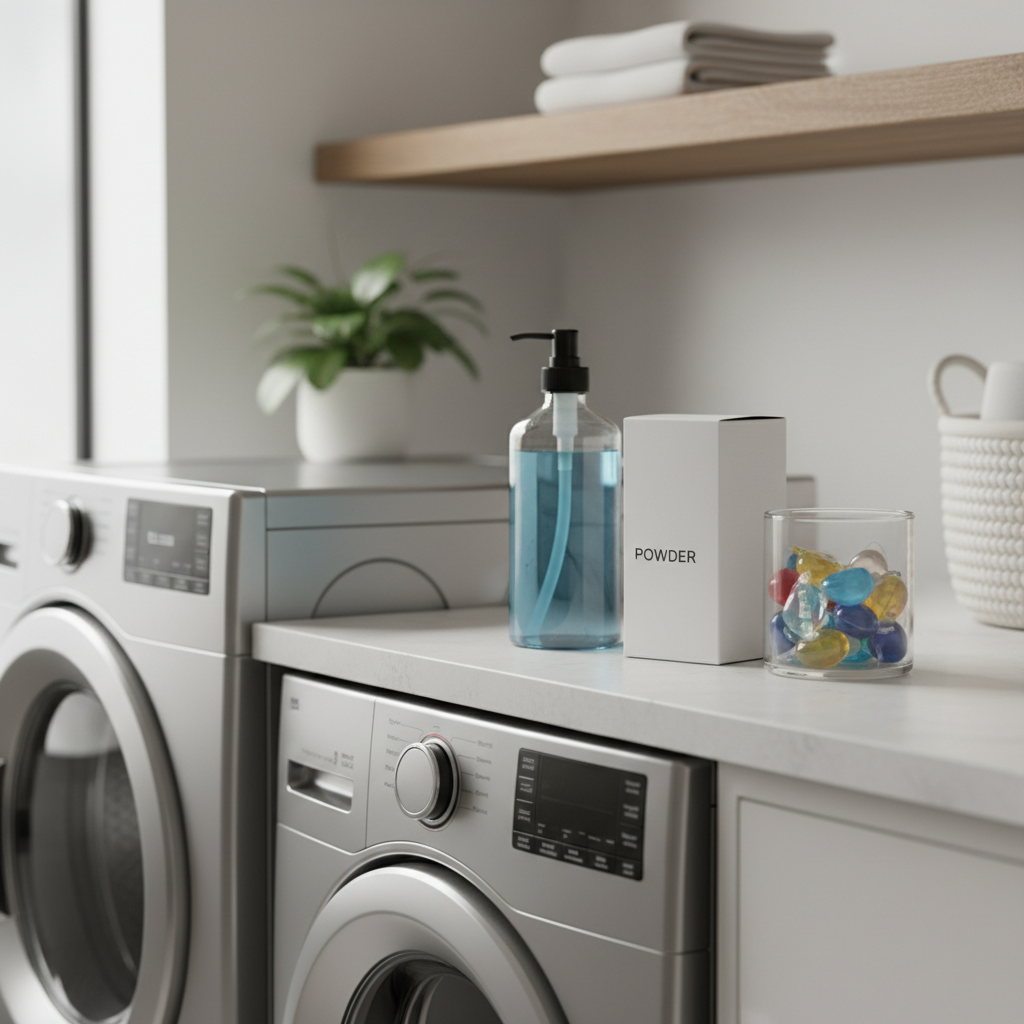
Below is a practical way to pick what works: what to look for on labels, how to tell if your current product is the problem, and a simple decision table you can use right away. I’ll also call out a few common mistakes that quietly ruin results even with a “good” detergent.
What “best” really means for detergent in 2026
People search for the best laundry detergent for clothes expecting a single brand name, but performance depends on a few variables you can actually control. In real homes, these factors usually decide results more than hype.
- Washer type: HE (high-efficiency) machines need low-sudsing detergent, too many suds can reduce agitation and rinsing.
- Water hardness: hard water can bind with surfactants, leaving fabrics stiff and colors dull, and it can increase residue.
- Fabric mix: cotton loves different chemistry than performance synthetics or delicate blends.
- Soil type: body oils, food, clay dirt, and sweat odor respond to different ingredients and wash temps.
- Sensitivity: fragrance and dyes can trigger irritation for some people, so “clean” has to include comfort.
According to EPA Safer Choice, products that meet Safer Choice criteria can make it easier to identify formulations designed with safer ingredients, which can matter when you’re choosing for sensitive skin or frequent washing.
Detergent types: liquid vs pods vs powder (and when each wins)
Most shoppers pick based on convenience. That’s fair, but each type has a real “best use” scenario.
Liquid detergent
- Good for: greasy stains, spot-treating collars, everyday mixed loads.
- Watch-outs: easy to over-pour, which can cause residue and odor over time.
Pods and packs
- Good for: consistent dosing, quick routines, smaller households.
- Watch-outs: can be “too much” for small loads; may not dissolve well in cold, short cycles, or overstuffed drums.
Powder detergent
- Good for: ground-in dirt, towels, whites, large loads, value per wash.
- Watch-outs: can leave undissolved granules in cold water unless you use warm water or dissolve first.
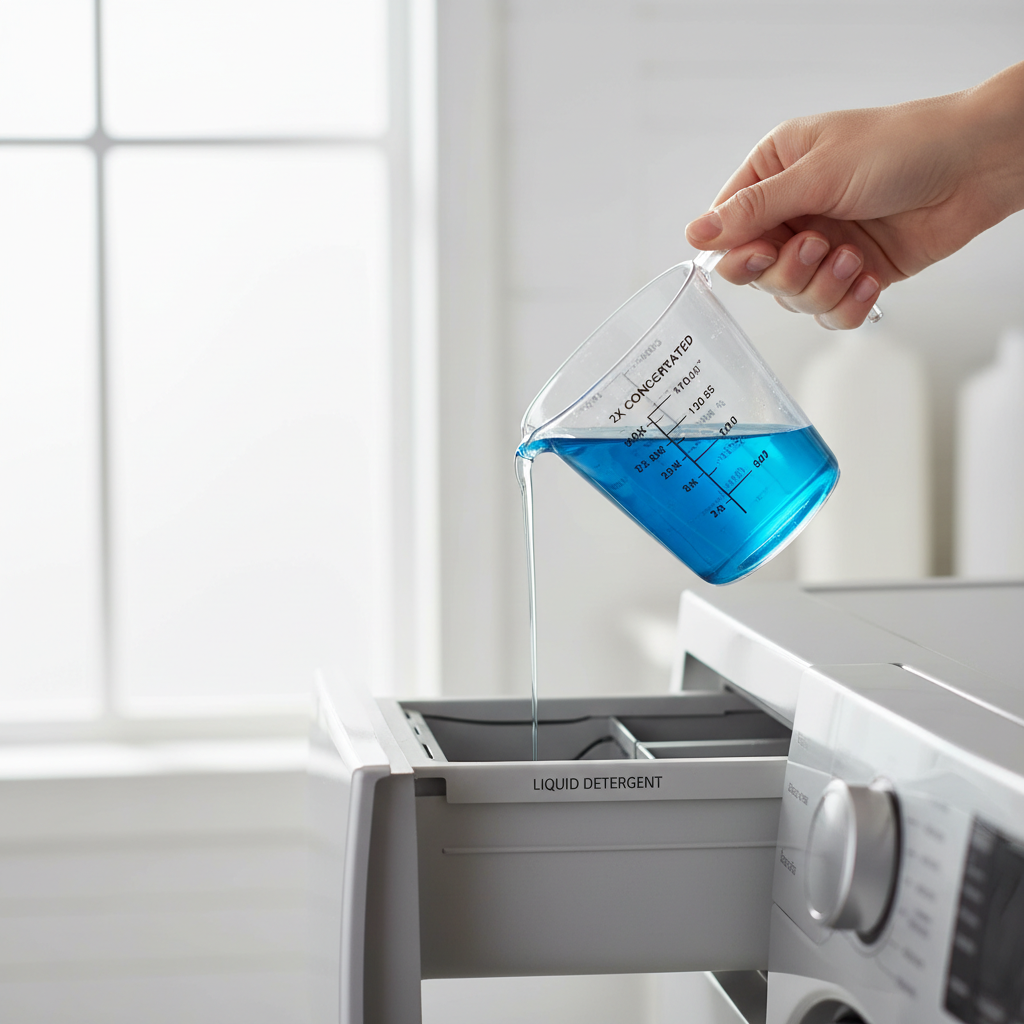
If you want fewer surprises, liquid plus disciplined dosing is often the most forgiving. Pods feel foolproof, but only if load size and cycle length match the pod dose.
Quick decision table: match detergent to your laundry reality
Use this as a starting point, then adjust based on your results over 2–3 weeks. Laundry has too many variables for a one-wash verdict.
| Situation | What to look for | Helpful add-on habit |
|---|---|---|
| Workout clothes, lingering odor | Enzyme-based detergent; fragrance-free if sensitive | Don’t over-dose; use warm when safe; avoid fabric softener on synthetics |
| Hard water, stiff towels, residue | Detergent that handles mineral-heavy water; consider powder | Add water softener booster if needed; run an extra rinse |
| Baby clothes or eczema-prone skin | Free & clear, no dyes, minimal fragrance | Extra rinse; keep loads smaller for better rinse-out |
| Whites look gray | Detergent with enzymes; oxygen bleach compatible | Separate towels; occasional warm wash for whites |
| Grease and food stains | Strong surfactants; liquid for pre-treating | Pre-treat quickly, wash warm if the care label allows |
| Colors fading too fast | Color-safe formula, no harsh brighteners if you dislike them | Cold water, inside-out, don’t over-wash lightly worn items |
Self-check: signs your current detergent isn’t working (even if it smells “clean”)
Here’s a quick diagnostic list. If you tick more than two, your detergent choice or dosing probably needs a reset.
- Odor returns fast after wearing for 10–20 minutes, common with synthetics holding body oils.
- White streaks or chalky patches, often from over-dosing or poor dissolving in cold cycles.
- Clothes feel waxy or towels lose absorbency, usually buildup from excess detergent or softeners.
- Itching or redness that improves when you switch to fragrance-free or add an extra rinse.
- Washer smells musty, which can come from residue feeding odor-causing buildup.
According to CDC, clean laundry handling and proper washing can support hygiene, and the right product plus correct use helps you avoid “clean-looking” loads that still hold soils and odor.
How to choose the best laundry detergent for clothes (step-by-step)
When you want a reliable pick, the simplest approach is: start with your hardest load, then make sure the product matches your washer and your water.
Step 1: Decide what problem you’re solving
- If it’s odor, prioritize enzymes and good rinsing habits.
- If it’s stains, liquids that pre-treat well can help more than switching cycles.
- If it’s sensitivity, remove fragrance and dyes first, then adjust wash routine.
Step 2: Pick the right format for your routine
- Busy household: pods can reduce dosing mistakes, but size loads correctly.
- Mixed stains: liquid gives flexibility for spot treatment.
- Value and heavy soil: powder can work well, especially in warm water.
Step 3: Dose smaller than you think
This is the unglamorous secret behind many “best detergent” results. Concentrated formulas often need less than the cap suggests, especially in soft water and HE washers. If you see suds lingering late in the cycle, or clothes feel coated, try cutting the dose by a third for a week.
Step 4: Pair detergent with one “booster” only if needed
- Oxygen bleach can help with dingy whites and organic stains, and it’s usually gentler than chlorine bleach, though labels still matter.
- Water softener booster can help if hard water keeps sabotaging performance.
- Extra rinse often beats adding more product when residue is the issue.
If you’re chasing the best laundry detergent for clothes experience, think “correct chemistry plus correct use,” not “more product.”
Mistakes that make good detergent look bad
- Overloading the drum: clothes need room to move for friction and rinsing, packed loads trap detergent and soil.
- Washing everything cold by default: cold helps colors, but warm cycles can be useful for towels, sheets, and oily loads when care labels allow.
- Fabric softener on performance gear: many synthetics lose wicking and hold odor more easily.
- Mixing incompatible “laundry hacks”: combining too many additives can reduce performance or increase buildup, and some combinations can be unsafe, check product labels.
According to American Cleaning Institute, following label directions and using the right amount of detergent helps cleaning performance and can reduce leftover residue, which lines up with what you see in day-to-day laundry troubleshooting.
When it’s worth getting extra help (or changing more than detergent)
If you’ve tried a reasonable detergent swap, corrected dosing, and still see persistent odor or irritation, something else may be going on. In these cases, it’s smart to widen the lens.
- Recurring skin reactions: consider consulting a healthcare professional, especially if symptoms persist after switching to fragrance-free products and adding an extra rinse.
- Washer odor that won’t quit: you may need a washer cleaning cycle, gasket cleaning, or a maintenance check.
- Stains that “set” repeatedly: review water temperature and drying habits, heat can lock stains in.
Key takeaways and a simple plan for your next two loads
If you want the best laundry detergent for clothes in a way that actually shows up in your closet, keep it simple: pick a detergent that matches your hardest load, then commit to correct dosing and better rinsing for a couple weeks. Most people see improvements when they stop chasing stronger scents and start chasing cleaner rinse-out.
- Next load: reduce detergent dose, don’t overload, and skip softener on towels and athletic wear.
- Next hardest load: choose warm water if fabric care labels allow, and add one targeted booster only if needed.
If you’re trying to reduce guesswork, keep a small note on what you changed, detergent type, dose, cycle, water temp, then adjust one variable at a time. That’s usually faster than buying five products and hoping one “hits.”
FAQ
- What is the best laundry detergent for clothes if I have hard water?
Many households do better with powders or formulas known for handling minerals, plus a water-softening booster when needed. If clothes feel stiff or look dull, try lowering dose and adding an extra rinse before you assume you need “stronger” detergent. - Are pods as effective as liquid detergent?
They can be, but they’re less flexible. If you run small loads, quick cycles, or cold washes, pods sometimes under-dissolve or over-dose. Matching pod size to load size matters more than most people think. - Why do my clean clothes smell bad after I start sweating?
This often points to body oils trapped in synthetic fibers. An enzyme-based detergent, smaller doses, and avoiding fabric softener on athletic wear usually help, and occasionally washing those items warm can make a difference if labels allow. - How much detergent should I actually use in an HE washer?
In many cases, less than the cap line. If you notice residue, waxy feel, or a musty washer, cut the amount and see if rinse-out improves over a week, you can dial up only if stains remain. - Is fragrance-free detergent always better for sensitive skin?
Often it helps, but not always. Some people still react to certain preservatives or enzymes, so if irritation continues, consider trying another free-and-clear formula and talk with a professional if symptoms persist. - Can I use “natural” detergent and still remove tough stains?
Sometimes yes, but you may need better technique: prompt pre-treating, appropriate water temperature, and not overloading. If stains keep coming back, add an oxygen bleach booster rather than doubling detergent dose. - Do I need a separate detergent for dark clothes?
Not necessarily. Cold water, turning items inside out, and avoiding over-washing usually protect darks more than a special bottle. A color-safe formula can help if fading is a recurring issue.
If you’re trying to streamline laundry in 2026, a small “system” beats endless experimenting: one everyday detergent you tolerate well, one targeted booster for your main pain point, and a dosing habit that prevents buildup. If you want, tell me your washer type, water hardness if you know it, and the top two problems you’re seeing, and I can narrow the choices fast.