
The best shoe polish for leather shoes in 2026 depends less on “the most popular tin” and more on your leather type, how often you wear the pair, and what you want: quick shine, deeper conditioning, or serious water resistance.
If you have ever polished a pair, stepped outside once, and watched the shine disappear, you already know why this matters. Wrong polish can leave haze, highlight scratches, or even dry leather out over time, especially on dress shoes you wear weekly.
Below is a practical way to pick what fits your shoes, plus a short routine that keeps leather looking good without turning shoe care into a hobby.
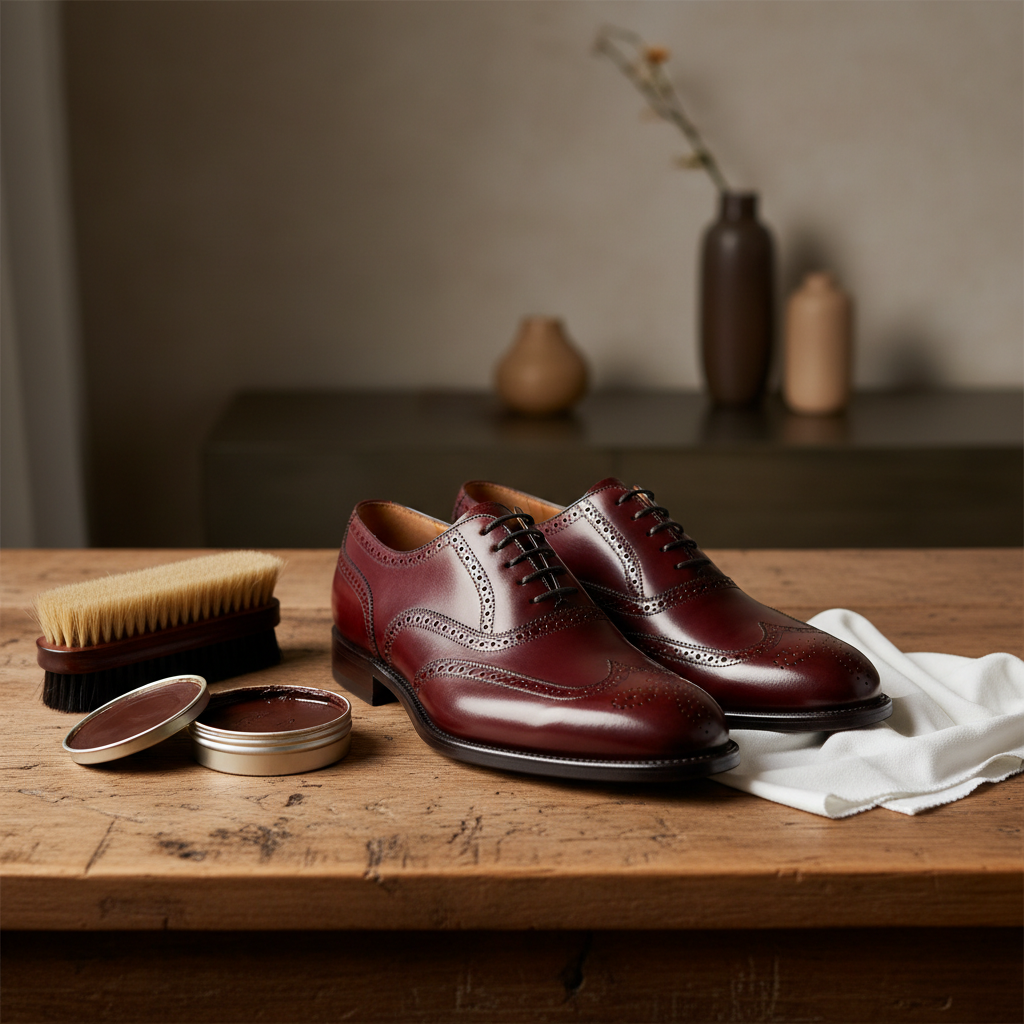
Quick answer: wax vs cream vs “all-in-one” polish
Most shopping frustration comes from one mix-up: people expect one product to both restore color, condition, and create a mirror shine. In real use, those jobs often split between cream and wax.
- Cream polish: more conditioning and color refresh, softer glow, great for weekly maintenance.
- Wax polish: harder finish, higher shine, better scuff camouflage, can feel drying if used alone on rotation.
- Liquid/“instant shine” products: fast, convenient, but many formulas leave buildup over time, use sparingly for emergencies.
For many wardrobes, a cream plus a wax is the realistic “best” setup, not a single magic product.
What actually makes a polish “best” for leather shoes
Ignore hype and look at fit. A good match usually comes down to finish goals, leather sensitivity, and how forgiving the formula is when you apply it fast.
1) Your leather type and finish
- Full-grain/calfskin dress shoes: cream for conditioning, wax for shine and toe scuff protection.
- Corrected grain or heavily coated leather: often looks fine with lighter product and brushing, heavy wax layers can look “plasticky.”
- Exotic leathers (shell cordovan, reptile): these can be picky, many owners use specialized products; when in doubt, test first or ask the maker.
2) Climate and wear pattern
Rainy commutes and winter salt call for more protection. Wax layers help, but don’t replace proper waterproofing habits, like drying shoes away from direct heat and using shoe trees.
3) Color needs: neutral vs pigmented
- Neutral: safer for mixed wardrobes, less risk of over-darkening.
- Pigmented: better at evening out faded areas, but can transfer if over-applied or not buffed well.
According to the American Academy of Dermatology (AAD), some people may experience skin irritation from certain chemicals and fragrances, so if you handle polish frequently, gloves or hand-washing after use is a sensible habit.
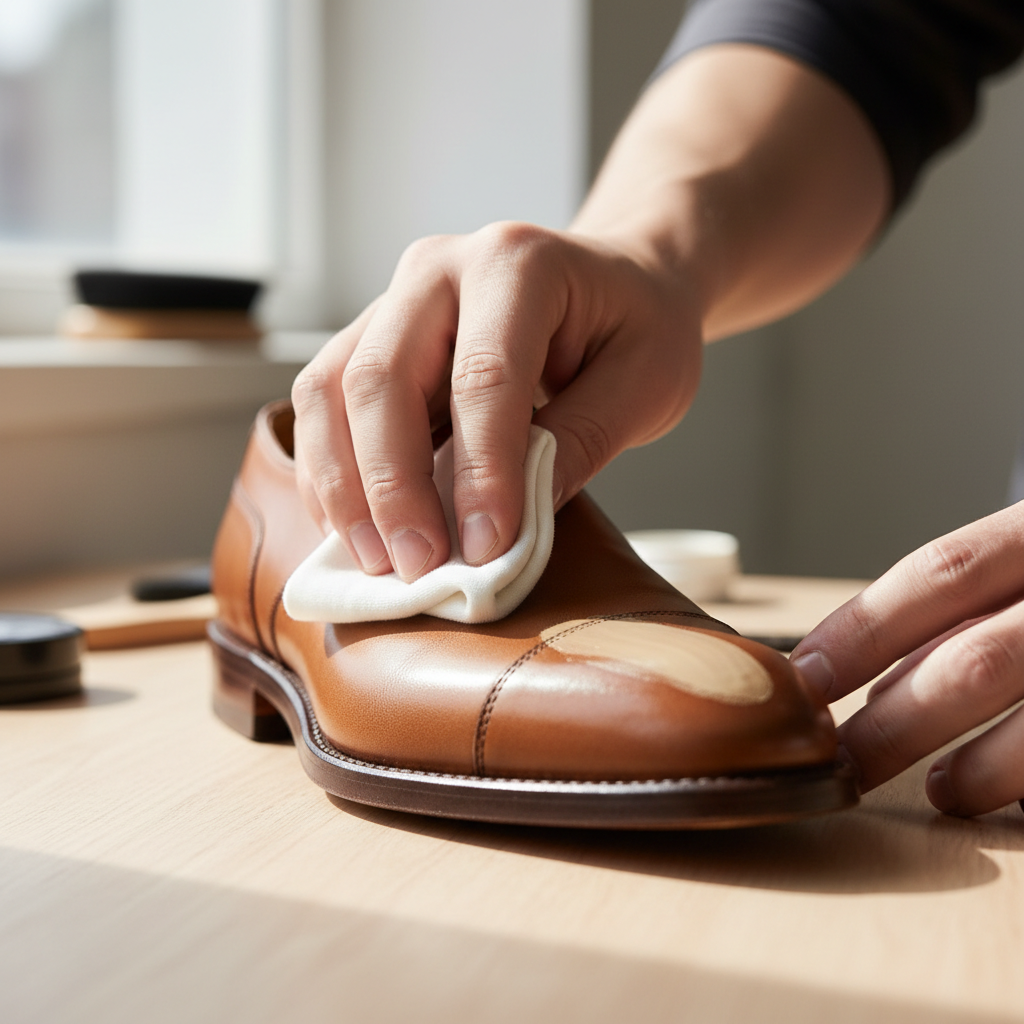
Self-check: choose the right polish in 60 seconds
If you want a fast decision without overthinking, use this checklist and pick the first match that feels accurate.
- Your shoes look dry or slightly ashy → start with cream polish (or a conditioner first, then cream).
- You mainly see toe scuffs and want a sharper shine → add wax polish on the toe and heel counters.
- Color looks uneven, especially on creases → use a pigmented cream in a close shade, then buff.
- You hate maintenance → use neutral cream and a brush weekly, wax only for events.
- You see cloudy buildup from old product → you may need a gentle cleaner before polishing again.
Comparison table: common “best” picks by use case
This table is intentionally practical. It’s less “ranked winners” and more “what works for that day-to-day problem.”
| Use case | Polish type | Why it tends to work | Watch-outs |
|---|---|---|---|
| Weekly office wear, minor dullness | Cream (neutral or matching color) | Boosts depth and softness, refreshes finish | Over-application can leave tacky feel |
| Formal shine for events | Wax (topcoat) | Higher shine, better toe scuff masking | Too many layers can crack on flex points |
| Rainy commute, light water protection | Cream + light wax | Balanced conditioning and surface protection | Not a substitute for waterproof spray |
| Restoring faded brown/black shoes | Pigmented cream | More color correction than wax alone | May darken, test on a small area first |
| Quick touch-up before a meeting | Minimal liquid polish (rarely) | Fast cosmetic improvement | Can cause buildup, dulling long-term |
How to use shoe polish (simple routine that looks professional)
The best shoe polish for leather shoes still fails if the steps are messy. This routine stays short and gives consistent results for most smooth leathers.
Step 1: Dry brush first
Brush dust off seams and welt edges. This prevents grit from turning into micro-scratches while you rub product in.
Step 2: Apply a thin layer of cream
- Use a cloth or applicator, small circles, thin is the whole trick.
- Let it sit a few minutes, then brush briskly until it looks even.
Step 3: Spot wax on high-wear zones
Keep wax mostly on toe and heel counters. Those areas don’t flex much, so you get shine without stressing the finish.
- Dab wax lightly, buff with a cloth, repeat only if you still see scuffs.
- If you want a higher gloss, add a tiny bit of water on the cloth and buff again, but stop before you see streaks.
Step 4: Final brush and quick inspection
Brush once more and check edges in good light. If you see cloudy patches, it often means too much product, brush longer before adding more.
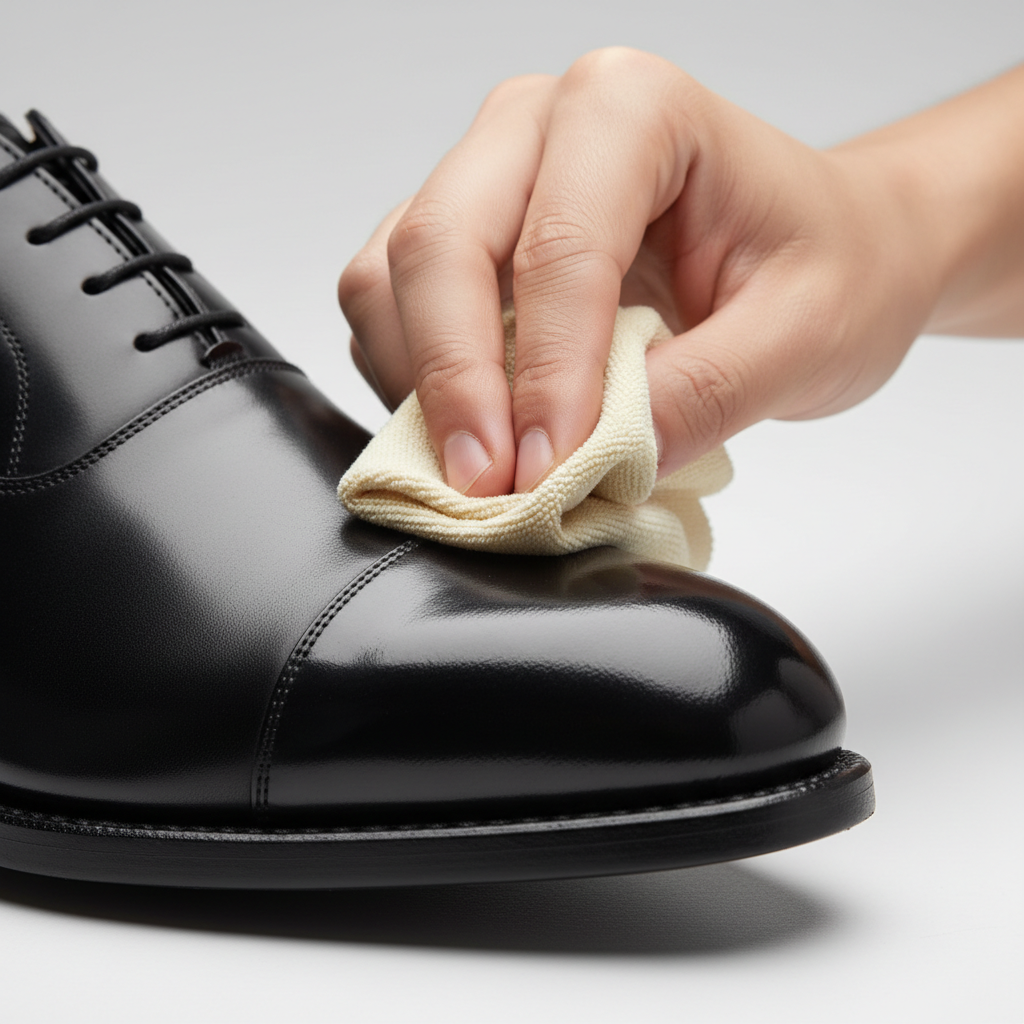
Common mistakes that ruin results (and how to avoid them)
Most “my polish doesn’t work” stories look like one of these.
- Using wax as your only conditioner: shoes can look shiny but feel drier over time, especially if worn often.
- Applying too much product: thick layers haze, attract dust, and crack at creases.
- Wrong color match: a slightly off shade can emphasize scuffs instead of hiding them, neutral is safer if unsure.
- Skipping cleaning forever: old layers build up, then new polish sits on top and looks cloudy.
- Polishing wet shoes: leather needs to dry slowly, forced drying can stiffen and damage finish.
According to OSHA, many workplace chemical products require good ventilation and careful handling, so it’s smart to polish in a well-ventilated area and keep tins away from kids and pets.
When to get help or switch to specialty products
Some cases are more than “buy a better tin.” If you keep fighting the same issue, you may need a cobbler or the shoe brand’s care guidance.
- Deep gouges where leather fiber shows: a cobbler can fill, recolor, and refinish more cleanly than DIY.
- Peeling finish on corrected leather: aggressive stripping can make it worse, ask a professional before using solvents.
- Salt stains that keep returning: cleaning method matters, and some stains set into leather, so professional treatment may be safer.
- Expensive or unusual leathers: shell cordovan and exotics often do better with brand-recommended products and light touch.
Conclusion: the “best” polish is the one that fits your routine
If you wear leather shoes regularly, a cream polish for weekly upkeep plus a wax polish for toe shine covers most needs without overcomplicating things. Keep layers thin, brush more than you think you need, and treat color-matching as a “test first” situation, not a guess.
If you want one action step today, clean the shoes, apply a light cream coat, then decide whether wax is even necessary for your day-to-day, that small switch usually improves shine and leather feel at the same time.
FAQ
What is the best shoe polish for leather shoes for daily wear?
For daily wear, cream polish is usually the safest bet because it refreshes appearance while supporting leather flexibility, then you can reserve wax for toes when you need extra pop.
Is wax or cream better for black leather dress shoes?
Cream helps keep black leather from looking dry or gray in strong light, wax helps build a sharper shine. Many people use both, cream first, wax second.
Can shoe polish crack leather?
Polish itself typically doesn’t crack leather, but heavy wax layering on flex points can crack and flake. Keeping wax mostly on toe/heel and using thinner coats reduces that risk.
Should I use neutral polish or matching color?
Neutral works well if you own multiple shades or worry about mismatching. Matching color makes more sense when you’re trying to fix visible fading, but test a small spot to avoid unexpected darkening.
How often should I polish leather shoes?
For frequent wear, a light cream touch-up every 1–3 weeks is common, wax less often. If the shoes sit in a closet, you may only need occasional conditioning and brushing.
Why do my shoes look cloudy after polishing?
Cloudiness usually comes from too much product or old layers underneath. Brush longer first, and if it persists, consider using a gentle cleaner to reset before reapplying thin coats.
Do I need a conditioner if I already use cream polish?
Often cream is enough for routine care, but if leather feels stiff, looks very dry, or has been neglected, a dedicated conditioner can help before you go back to normal polishing.
If you’re trying to choose the best shoe polish for leather shoes and you’d rather not trial-and-error through multiple tins, start by identifying your leather type and your goal for the next 30 days, then build a simple cream-plus-wax routine around that, it’s the most “low drama” path for most closets.