
cotton outfits breathable is what most people mean when they say they want “easy clothes” that don’t feel clingy by lunch. If your daily uniform turns into a sweat trap the moment you step outside, the fabric choice matters more than the brand name or the trend.
Cotton can be genuinely comfortable, but not every “cotton” tag equals airflow. Weaves, weight, blends, and fit quietly decide whether a tee feels crisp and cool or heavy and damp. The good news is you can spot the difference fast once you know what to look for.
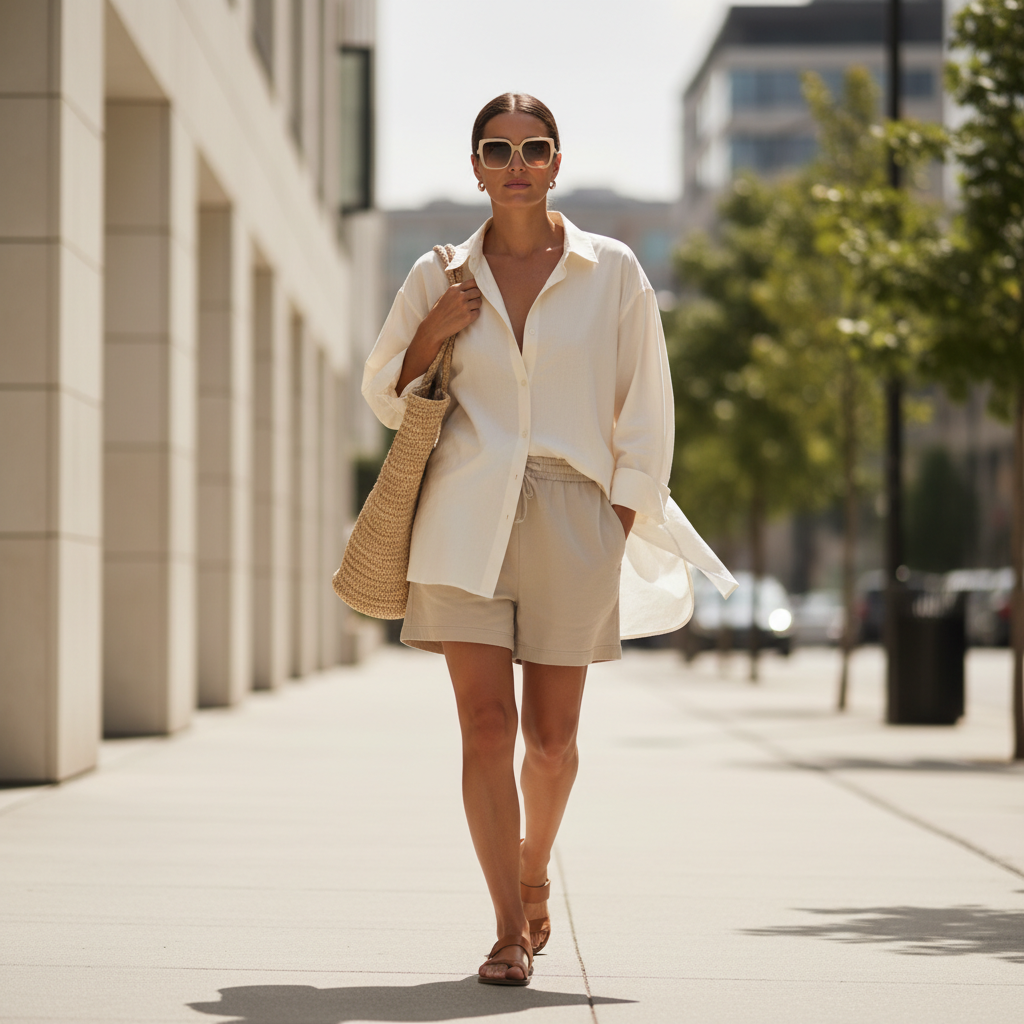
Below, you’ll get practical ways to judge breathability, outfit formulas that work in real life, and small care tweaks that keep cotton feeling fresh. If you’ve been buying “lightweight” pieces that still feel stuffy, this will save you time and a few disappointing returns.
Why cotton sometimes feels breathable and sometimes doesn’t
People blame “heat” or “humidity,” but many times the issue is the garment build. Cotton breathes when air can move through the fabric and moisture can evaporate, yet a few common design choices can block that.
- Weave type: Poplin and voile often feel airy, while tight jersey knits or dense twills can hold warmth longer.
- Fabric weight: Lightweight cotton (often listed in gsm/oz on some sites) usually vents better than heavyweight cotton that’s built for structure.
- Finishes and coatings: “Wrinkle-resistant” or heavily treated cotton may feel less open on skin.
- Fit and layering: Even breathable fabric struggles if the cut is skin-tight or layered under synthetics.
- Blends: A small percent of elastane can help movement, but higher synthetic content may reduce airflow, especially in humid climates.
According to Centers for Disease Control and Prevention (CDC) guidance on heat stress, breathable clothing can help the body cool during hot conditions, which is why fabric and fit matter when you’re outside for long stretches.
A quick “breathability check” before you buy
You don’t need lab tests to make better picks. These quick checks catch most disappointments before they reach your closet.
In-store checks
- Hold it up to light: If you can see some light through the fabric without it being sheer, airflow is usually better.
- Hand feel test: Crisper cotton often lifts off skin; very smooth, dense knits may cling when you sweat.
- Scrunch and release: If it stays tightly wrinkled, it can still be breathable, but it may need more steaming and won’t always “float” off skin.
Online checks (more realistic for most shoppers)
- Look for weave words: poplin, voile, gauze, seersucker, chambray, oxford (oxford is breathable but a bit sturdier).
- Check lining notes: fully lined cotton skirts/dresses can trap heat even if the outer shell is light.
- Read fiber content carefully: “cotton-rich” can mean 60% cotton, 40% polyester, which may feel different than expected.
- Zoom into photos: you can often see a tighter weave vs an open weave in close-ups.
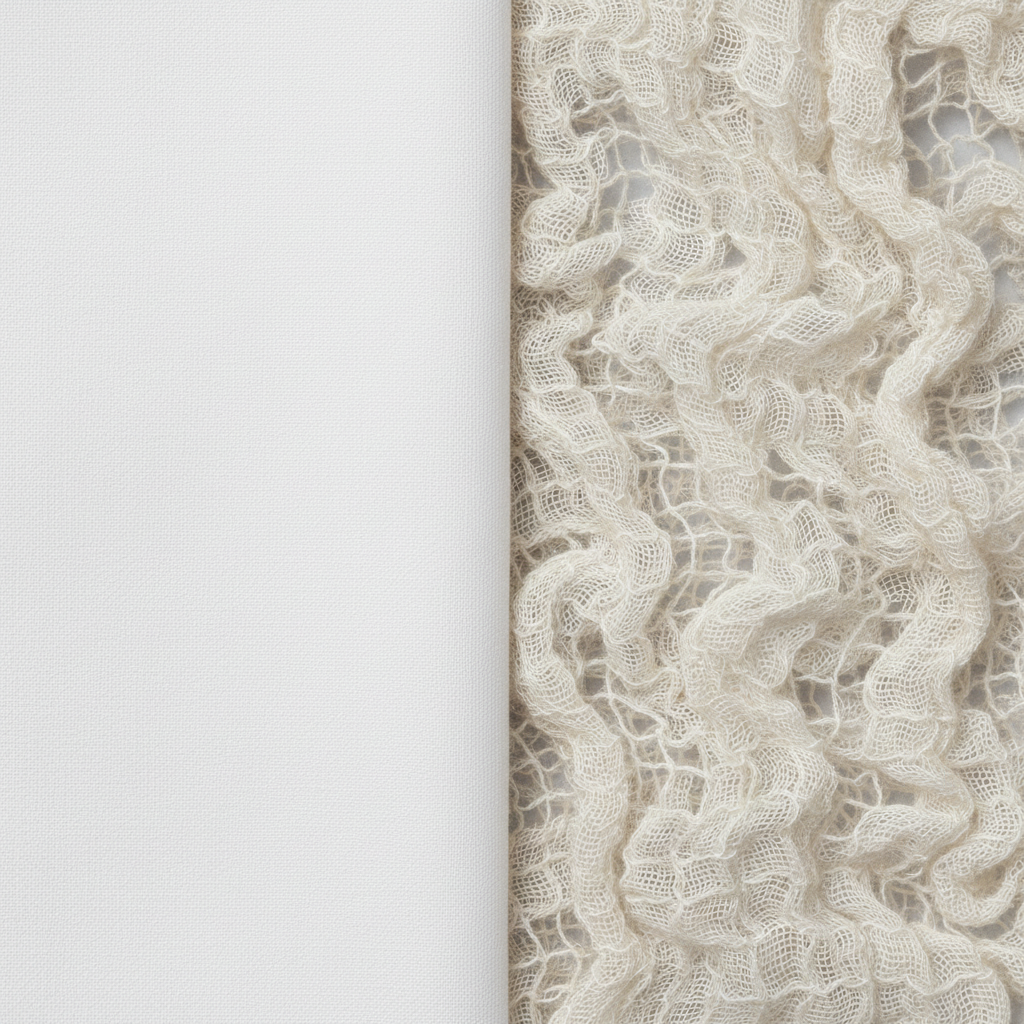
If you’re shopping for cotton outfits breathable enough for commuting, errands, and office hours, prioritize fabric openness first, then tune the look with color and accessories. It’s a better order of operations than buying “cute” and hoping it wears cool.
Everyday breathable cotton outfit formulas (that don’t feel like costumes)
Most daily wardrobes need repeatable combos. These formulas stay comfortable while still looking intentional.
1) The “airflow shirt” uniform
- Relaxed cotton poplin button-down
- Tank or tee underneath (cotton or cotton-modal if you like softer drape)
- Wide-leg cotton pants or cotton-linen blend trousers
Style note: if you tend to run warm, wear the button-down open like a light layer instead of a fitted top. You’ll feel the difference quickly.
2) The no-fuss dress day
- Cotton shirtdress, cotton gauze dress, or seersucker dress
- Sneakers or sandals
- Light crossbody bag (less shoulder heat than big totes)
Fit tip: choose a dress with space at the waist and hips, even if you belt it lightly. Breathability is partly about air movement, not just fabric.
3) Casual set that still looks “put together”
- Matching cotton set in a breathable knit or woven cotton
- Simple jewelry, clean sneakers
- Optional: oversized cotton overshirt for AC-heavy spaces
Sets work well when you want a one-decision outfit, but watch for dense knit sets that feel cozy indoors and heavy outdoors.
Fabric choices: what to pick for heat, humidity, and AC
Not every day is the same. Here’s a practical cheat sheet to match fabric to your typical conditions.
| Situation | Cotton fabric that often works well | What to avoid |
|---|---|---|
| Hot + humid errands | Gauze, voile, seersucker | Dense jersey, fully lined pieces |
| Dry heat (lots of sun) | Poplin, chambray, lightweight oxford | Very dark colors in thick weights |
| Office AC + outdoor heat | Poplin shirt, breathable cotton cardigan layer | Heavy sweats, tight long sleeves |
| Walking/commuting | Cotton blends with a little stretch, looser cuts | Skin-tight cuts that trap moisture |
According to National Weather Service (NOAA) heat safety messaging, heat and humidity can raise risk for heat-related illness; clothing choices are part of reducing strain, though individual factors vary and medical advice should come from a professional.
How to build a breathable cotton capsule for daily wear
If you want comfort without over-shopping, build from a small set of pieces that mix easily. A breathable capsule also helps you avoid “almost right” items that never get worn.
- 2-3 tops: cotton poplin shirt, cotton tee in a lighter weight, airy sleeveless option
- 2 bottoms: wide-leg cotton pants, cotton shorts or a cotton midi skirt
- 1-2 one-pieces: cotton shirtdress or gauze dress for easy days
- 1 layer: thin cotton cardigan or overshirt for AC
- 2 shoes: breathable sneakers, sandals or loafers depending on your routine
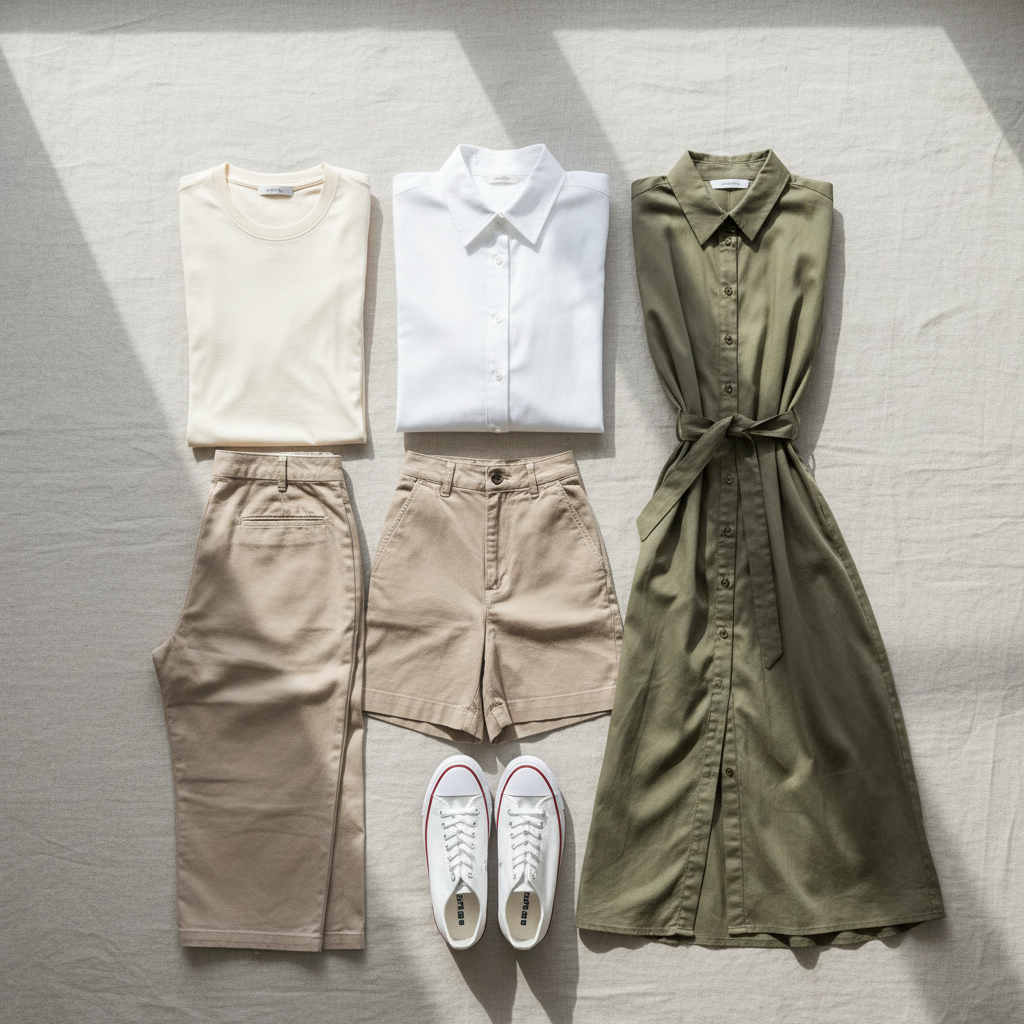
When people search cotton outfits breathable for everyday wear, they often underestimate color and cut. Light-to-mid colors, looser silhouettes, and fewer layers can outperform “technical” claims on a hangtag.
Practical wear tips: stay comfortable without changing your style
Even with good fabric, small choices change how the day feels. These are the tweaks that tend to matter most.
- Prioritize airflow points: open necklines, short sleeves, or a slightly wider armhole often feel cooler than switching brands.
- Pick breathable underwear: cotton or moisture-managing fabrics can reduce that “sticky” feeling under cotton clothes.
- Use smart layering: if you need a layer, keep it light and removable; avoid trapping heat with a synthetic shell.
- Plan for sweat marks: patterns, textured weaves, and slightly thicker-but-open fabrics can show less than very thin, smooth cotton.
- Comfort-first tailoring: if pants pull at the hip or thigh, they’ll cling more when warm, sizing up often works better than “stretching into it.”
If you have a medical condition that affects heat tolerance, or you’re working outdoors for long hours, it’s reasonable to be more cautious and consider asking a clinician for personalized guidance.
Care and maintenance: keep cotton feeling light and breathable
Breathability can drop when cotton is coated with leftover detergent, fabric softener, or buildup from hard water. A few habits help.
- Skip heavy softeners: many leave residue that can reduce absorbency and airflow.
- Don’t overload the washer: cotton needs space to rinse clean, especially thicker pieces.
- Use the right dry method: line-drying keeps fibers crisp; low heat in the dryer can soften, but high heat may shrink and tighten the weave over time.
- Refresh between washes: steaming or airing out can restore shape and reduce odor without extra laundry.
According to Federal Trade Commission (FTC) guidance on textile labeling, fiber content labels tell you what’s in the fabric, but they don’t guarantee performance like breathability, so your own checks still matter.
Key takeaways (save this before you shop)
- Breathability depends on weave, weight, and fit, not just “100% cotton” on the label.
- For daily wear, pick poplin, gauze, voile, seersucker when you want airflow.
- Build repeatable formulas and a small capsule so you stop buying “maybe” items.
- Care matters, residue and overheating in the dryer can make cotton feel heavier over time.
Conclusion: making breathable cotton easy
If you want cotton outfits breathable enough for real days, focus on fabric structure and a relaxed cut, then use simple outfit formulas you can repeat without thinking. Start by upgrading one “hot spot” item, often it’s the top you wear most, then add a bottom and a one-piece that work with it.
Your next step can be simple: check your most-worn cotton pieces using the light test, then replace the worst offender with a more open weave. You’ll feel the payoff fast, especially in humidity.
FAQ
What cotton fabric is most breathable for summer outfits?
Many people find cotton gauze, voile, and seersucker feel the airiest because the structure lets air move. Poplin can also work well if it’s lightweight and not tightly finished.
Are 100% cotton clothes always breathable?
Not always. A dense knit or heavy twill can still feel warm even if it’s pure cotton, while a lighter weave in a blend may feel cooler depending on the percentage and construction.
Why do my cotton shirts feel sticky in humidity?
Cotton absorbs moisture, and in high humidity evaporation slows, so fabric can feel damp longer. A looser fit and a more open weave usually help more than going thinner and tighter.
Is cotton or linen more breathable for daily wear?
Linen is often very airy, but it wrinkles easily and can feel scratchier for some people. Cotton can be nearly as comfortable when you choose open weaves, and it’s usually easier to care for.
What’s a good breathable cotton outfit for an office with strong AC?
A lightweight cotton poplin shirt over a tank, paired with breathable cotton trousers, gives you airflow outdoors and coverage indoors. Keeping the layer removable matters more than adding thickness.
How can I tell online if cotton pants will breathe?
Look for weave keywords (poplin, chambray, seersucker), check if the garment is lined, and zoom into close-ups to see how tight the fabric looks. Reviews mentioning “stiff” or “thick” can be a clue too.
Do fabric softeners make cotton less breathable?
They can in many cases, because residue may reduce absorbency and change the hand feel. If your cotton feels waxy or heavy, trying a few washes without softener is a low-effort experiment.
If you’re trying to rebuild your everyday wardrobe around breathable cotton and you’d rather not guess, it may help to start with a small list of “non-negotiables” like weave type, lining, and fit, then shop with those filters so each purchase earns its spot.