
Linen clothing summer outfits work because the fabric breathes, dries fast, and feels lighter when heat and humidity make everything else cling. If you have ever stepped outside and immediately regretted your outfit choice, linen is usually the easiest fix that still looks intentional.
But not all linen feels airy, and not every “linen” tag means what you think it means. Some pieces wrinkle into chaos, some turn see-through in sunlight, and some blends trap heat like regular cotton. The trick is knowing what to look for before you buy, then styling it in a way that reads polished, not beach-only.
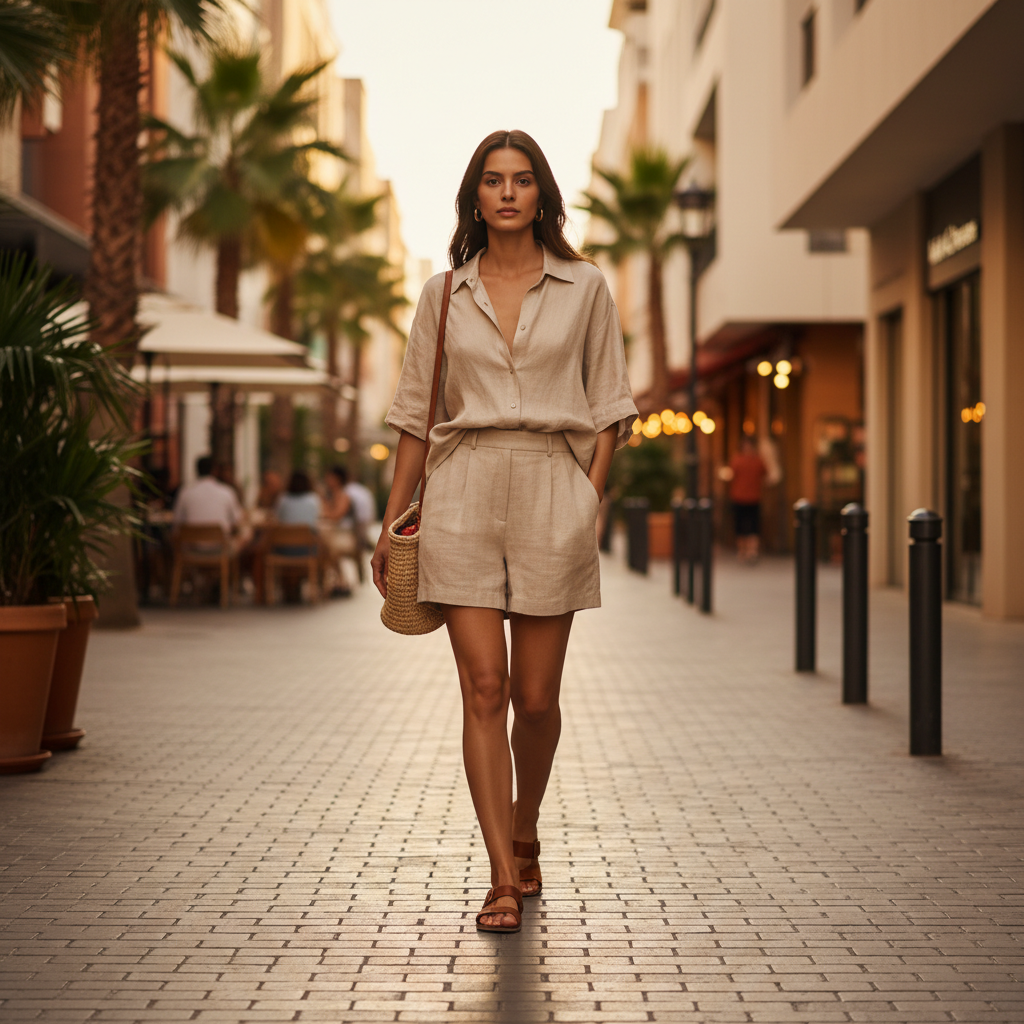
Below is a practical guide: why linen feels cooler, a quick checklist to pick the right weight and weave, and outfit formulas that work for errands, office-leaning days, travel, and evenings. I will also point out where linen can be annoying, so you do not waste money.
Why linen feels cooler (and when it does not)
Linen comes from flax fibers, and the structure of the fiber tends to allow more airflow than many common summer fabrics. That usually means less “cling,” less trapped heat, and a faster dry-down when you sweat.
According to Centers for Disease Control and Prevention (CDC), wearing lightweight, loose-fitting clothing can help reduce heat stress risk during hot weather. Linen often fits that “lightweight + loose” recommendation better than tight knits or heavy denim.
- Breathability: the weave leaves tiny gaps for air to move, which matters more than people expect.
- Moisture management: linen can absorb moisture and release it, so it feels less swampy in humidity.
- Heat reflection: lighter colors reflect more sunlight, which often pairs well with linen’s natural palette.
When linen fails, it is usually because the garment is too tight, too thick, or blended in a way that reduces airflow. A “linen look” fabric with a dense weave can feel hot even if the label sounds summery.
Quick buying checklist: how to choose linen that actually works
If you only remember one thing, remember this: comfort depends on fabric weight, weave, and fit, not the word “linen” by itself. Use this quick scan in-store or online.
Fabric and label checks
- 100% linen vs blends: pure linen usually breathes best, while linen-cotton can wrinkle a bit less, and linen-viscose can drape nicely but may feel warmer in sticky weather.
- Look for “washed” or “garment-dyed” linen: it tends to feel softer and less crispy from day one.
- Watch for opacity: hold it up to light, especially for white pants and light dresses.
- Seams and finishing: clean stitching and enough seam allowance matter because linen can stress at tight points.
Fit checks (the part people skip)
- Choose room at the shoulders and chest for tops, you want airflow without looking oversized.
- For bottoms, prioritize comfort at the waist when seated, linen has less stretch.
- Check the rise and thigh area on shorts and pants, tight linen is where wrinkles turn into sharp creases.
If you shop online, zoom in on product photos for weave density, then read reviews specifically for heat, transparency, and shrinkage. Many returns happen because buyers only look at color and silhouette.
Linen in real life: best pieces for hot summer days
For most closets, a few core items cover almost every warm-weather scenario. The goal is versatility, not building a fragile “vacation-only” capsule.
- Linen button-up shirt: works open as a layer, buttoned for work, or tied at the waist.
- Relaxed linen trousers: the closest thing to “AC comfort” that still passes as polished.
- Tailored linen shorts: more structure than athletic shorts, still breathable.
- Midi linen dress: easy one-and-done, especially in darker colors for opacity.
- Linen set (top + bottom): looks styled instantly, separates mix with basics.
Color choice is not just aesthetic. White and natural tones feel summery, but they show sweat and can turn sheer. Navy, olive, chocolate, and black can look sharper and hide wear, though they may feel a bit warmer in direct sun.
Outfit formulas that look intentional (not wrinkled and rushed)
Linen reads “effortless,” but you still want a plan. A simple formula keeps you from over-accessorizing and fighting the fabric.
Everyday errands
- Boxy linen tee or tank + relaxed linen shorts + leather sandals
- Add a lightweight cap and sunglasses, then stop there
Office-leaning (business casual-ish)
- Linen trousers + fitted cotton tank + linen blazer or unlined jacket
- Keep shoes structured: loafers, minimal sneakers, or low block heels
Travel days
- Linen jogger-style pants (or drawstring trousers) + breathable tee + linen shirt as a layer
- Choose darker bottoms if you expect long sits, they show fewer creases
Evening heat (patio dinner, outdoor event)
- Linen midi dress + simple jewelry + woven bag
- Or a matching linen set with a more elevated sandal
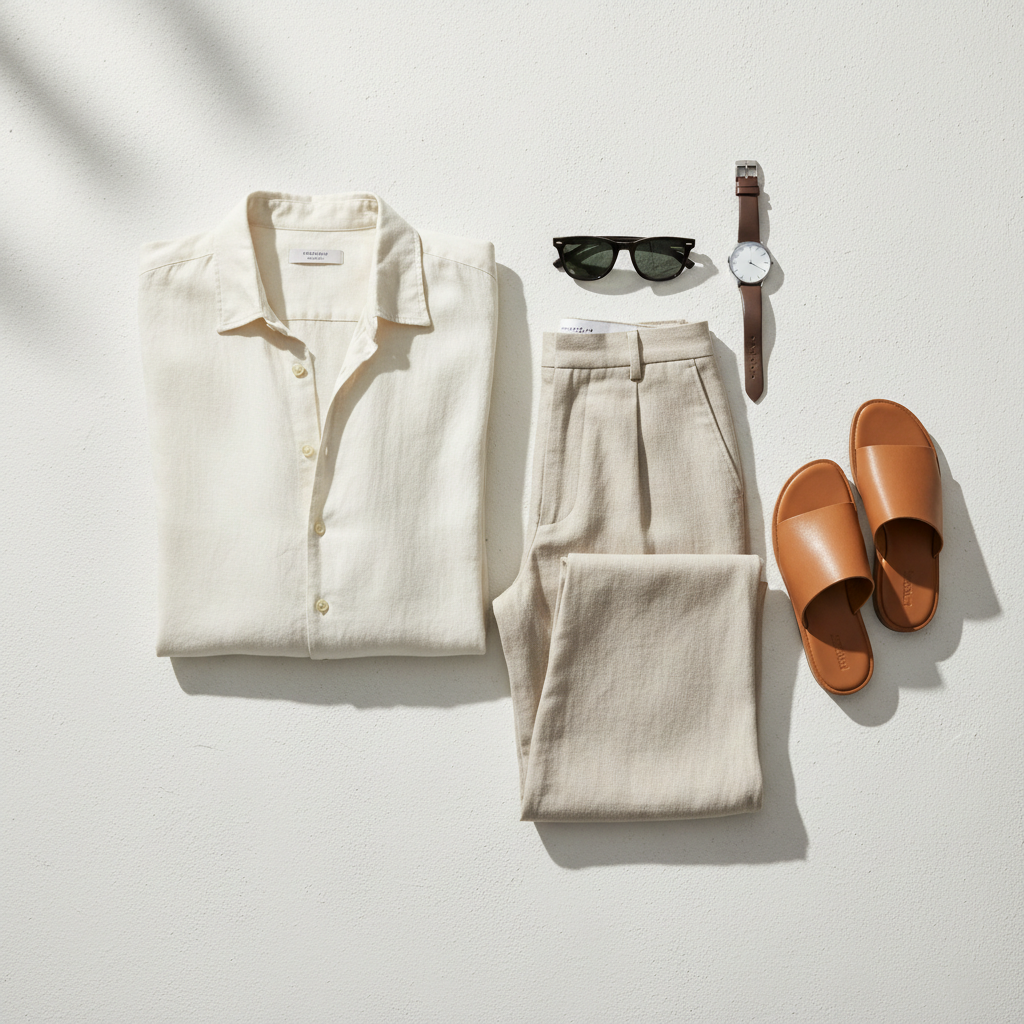
A small styling note that changes everything: balance volume. If the top is roomy, keep the bottom straighter, if pants are wide, choose a more fitted top. Linen already has movement, so you do not need “extra drama” everywhere.
Comparison table: linen vs other summer fabrics
People often ask if linen is truly better than cotton or performance fabrics. It depends on what bothers you most: sweat, wrinkles, sun, or easy care.
| Fabric | Feels cool in heat | Wrinkles | Dries fast | Best for |
|---|---|---|---|---|
| Linen | High (usually) | High | Medium-High | Humidity, polished casual, travel layers |
| Cotton (lightweight woven) | Medium | Low-Medium | Medium | Everyday basics, sensitive skin |
| Rayon/Viscose | Medium | Low | Low-Medium | Drapey dresses, “silky” look on a budget |
| Seersucker | Medium-High | Low | Medium | Classic preppy shirts, low-maintenance texture |
| Performance synthetics | Varies | Low | High | High-sweat activities, hikes, long outdoor days |
Care tips that prevent the two big linen problems: shrinkage and “sad wrinkles”
Most linen frustration comes from laundry choices. You do not need babying, you need a routine that matches how linen behaves.
- Wash cool, gentle: hot water can increase shrink risk, especially on cheaper weaves.
- Skip overdrying: pull items slightly damp and hang, it reduces harsh creases.
- Steam beats ironing for most people: a handheld steamer smooths quickly without making linen look “pressed and stiff.”
- Store smart: hang shirts and dresses, fold heavy trousers to avoid hanger marks.
- Spot clean early: sunscreen and deodorant can build up, treating sooner saves fabric.
If you have skin sensitivities or allergies, fragrance-free detergent can be a safer bet, and if irritation persists it may help to check with a medical professional.
Key takeaways (save this before you shop)
- Linen clothing summer comfort comes from airflow, so prioritize relaxed fit and lighter weaves.
- “Washed” linen often feels softer and looks less rigid, especially for shirts and dresses.
- Dark linen can look sharper and hide creases, light linen can feel cooler but may turn sheer.
- Steaming and air-drying do more for linen than aggressive ironing and high heat.
Conclusion: build a small linen lineup, then wear it on repeat
Linen does not need to be precious, it just needs the right expectations: it will wrinkle, but it also keeps you comfortable when heat makes other outfits feel like a mistake. Start with one great shirt or a pair of trousers, wear it through different settings, then add a second piece once you know what you reach for.
If you want a simple next step, pick one linen outfit formula from above and test it on your next hottest day, you will learn more from one real wear than from ten product pages.
FAQ
What weight of linen is best for very hot weather?
Light to midweight linen usually feels best in heat, but the weave and cut matter just as much. If it looks dense in photos, it may wear warmer even if it is “lightweight” on the tag.
Does linen keep you cooler than cotton in humid climates?
Often, yes, especially when the garment is loose and woven. In heavy humidity, linen can feel less clingy than many cotton knits, though personal comfort varies.
Is 100% linen always better than a linen blend?
Not always. Pure linen tends to breathe best, but some blends drape better or wrinkle less. If wrinkles stress you out, a linen-cotton blend can be a practical compromise.
How do you stop linen from wrinkling so much?
You cannot eliminate wrinkles, but you can control the look: choose slightly heavier linen for trousers, avoid tight fits, remove from the dryer while damp, then steam. Over-ironing can make linen look stiff rather than relaxed.
What linen colors are safest for avoiding see-through issues?
Medium to dark shades like navy, olive, and black tend to be more opaque. For white and natural tones, check opacity in direct light and consider lined skirts or skin-tone underlayers.
Can you wear linen in an office setting?
In many workplaces, yes, especially with structured pieces like trousers, a button-up, or a blazer-style layer. If your office is more formal, lean into darker colors and clean tailoring.
Is linen safe for sensitive skin?
Linen is often comfortable, but some people find it scratchy at first. “Washed” linen typically feels softer, and if you get persistent irritation it may help to consult a medical professional to rule out contact dermatitis.
If you are trying to update your warm-weather wardrobe but keep getting stuck between “too casual” and “too hot,” a small, mix-and-match linen plan usually makes shopping easier, and it cuts down on impulse buys that only work for one weekend.