
Minimalist fashion tips work best when you stop chasing “more” and start building a small set of clothes that mix easily, fit well, and feel like you. If your closet is full but outfits still feel random, you’re not alone, that’s usually a system problem, not a style problem.
Minimalism in fashion isn’t about dressing bland or buying expensive basics. It’s about reducing decision fatigue, cutting waste, and getting dressed faster while still looking intentional, especially on busy weekday mornings.
In this guide, you’ll get a practical way to define your palette, pick versatile pieces, avoid common shopping traps, and build outfits from what you already own. There’s also a quick table for starter items, plus a simple plan you can follow this weekend.
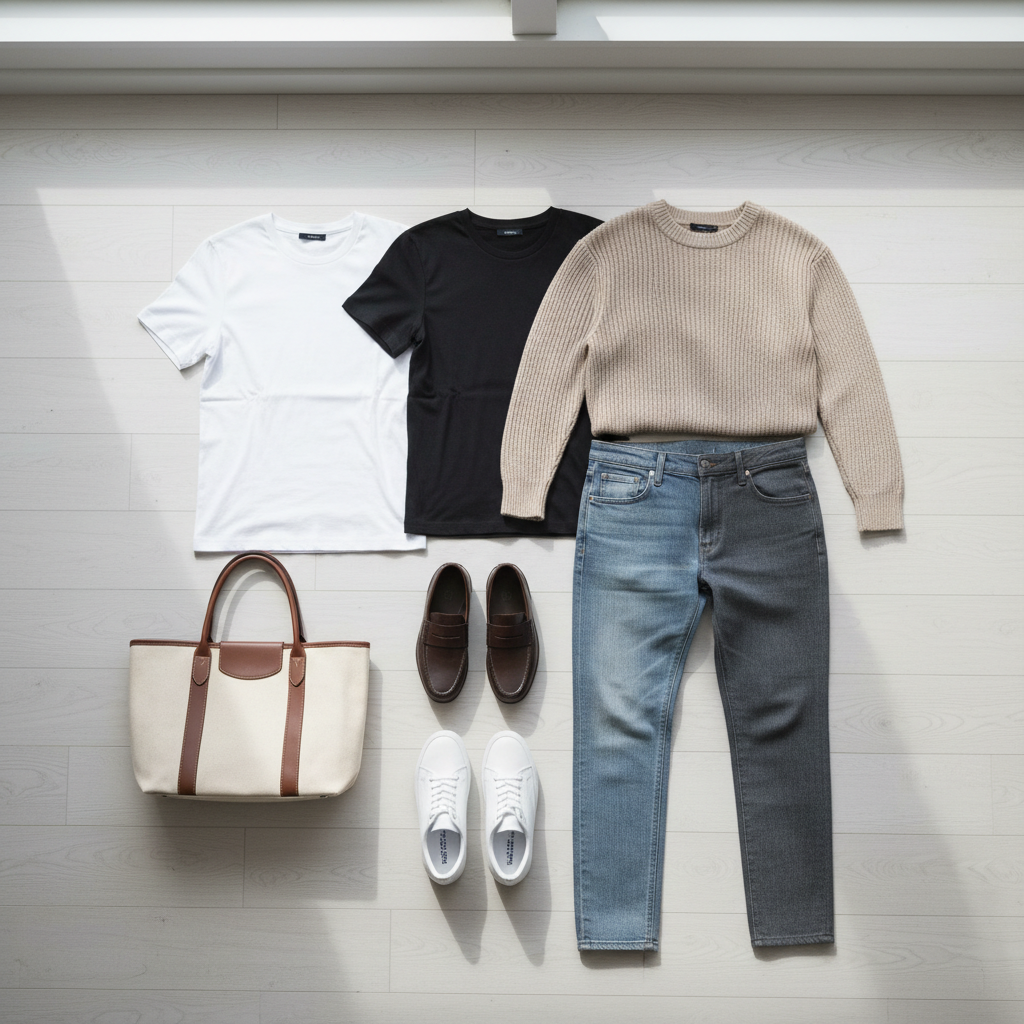
What “Minimalist Fashion” Really Means (and What It Doesn’t)
Minimalist style is usually defined by simple silhouettes, a cohesive color story, and repeatable outfits. It’s less about a strict piece count and more about making your closet easier to use.
It often gets misunderstood in two directions: people think it means wearing only black, or they think it requires a luxury budget. In real life, minimalist wardrobes can be colorful, casual, thrifted, or workwear-focused, as long as the pieces play well together.
According to U.S. Environmental Protection Agency (EPA), textiles are a significant part of municipal solid waste, which is one reason many shoppers lean toward buying fewer, longer-wearing items. You don’t need to be perfect about sustainability, but choosing durability tends to help your budget and your closet at the same time.
- Minimalist: fewer items, more outfits, less clutter.
- Uniform dressing: repeating a similar formula daily, also minimalist-friendly.
- Capsule wardrobe: a curated set of pieces that mix and match across weeks.
Why Beginners Get Stuck: The Real Reasons Outfits Feel “Off”
Most beginners don’t lack clothes, they lack compatibility. You can own 70 items and still struggle if colors fight each other, fits don’t match, or pieces only work in one very specific outfit.
Here are the common friction points I see (and yes, you can fix them):
- Too many “almost” items: fine in theory, annoying in practice, scratchy fabric, awkward sleeve length, fussy care.
- Mixed style identities: half streetwear, half office-core, half “vacation me,” none of it connects.
- No outfit formulas: you own pieces, but you don’t have repeatable combos.
- Fit drift: sizes vary by brand, and one off fit can ruin the clean minimalist look.
Minimalist fashion tips usually start working fast once you choose a few rules you’ll actually follow, then shop only to support those rules.
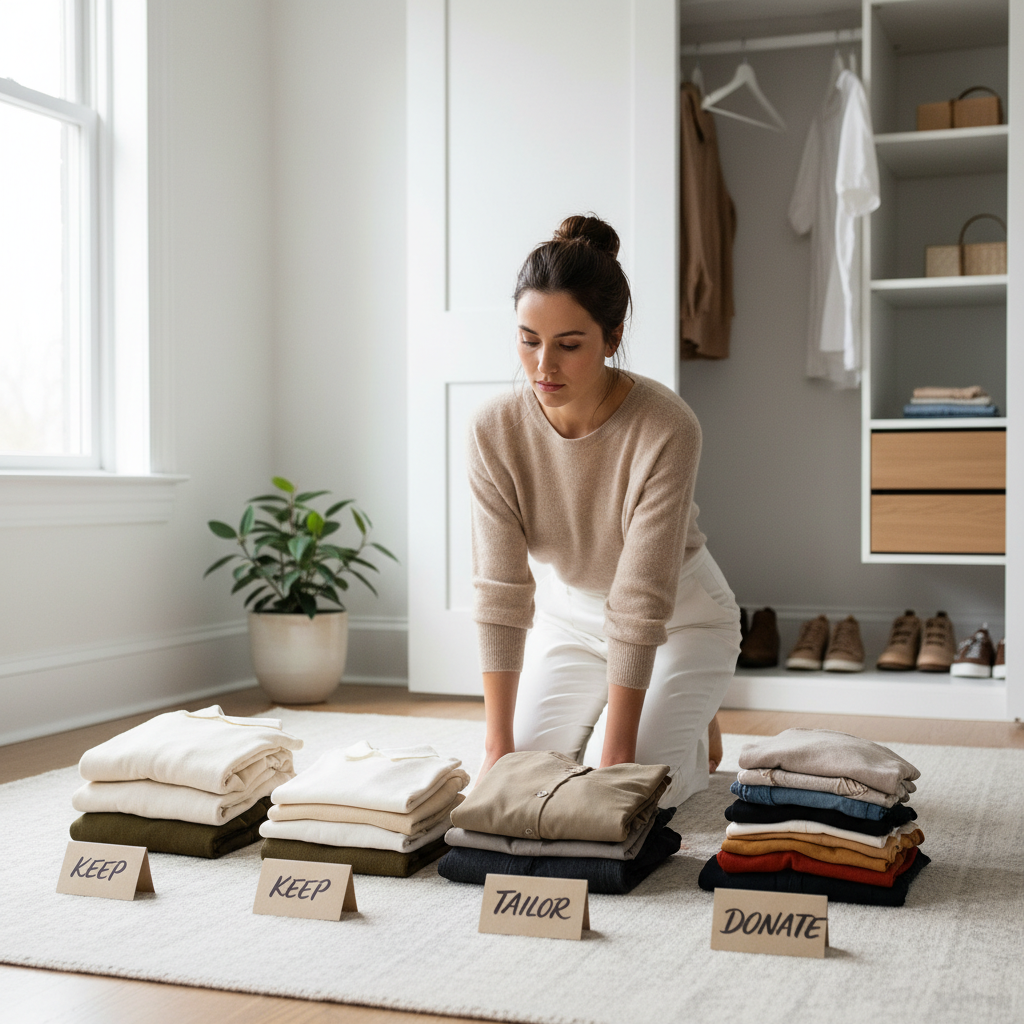
A Quick Self-Check: Which Minimalist Wardrobe Problem Do You Have?
Before you buy anything, pinpoint your bottleneck. This takes five minutes and saves you from “replacement shopping” that just adds more clutter.
Checklist (pick the statements that feel true)
- I like my clothes individually, but outfits look messy together.
- I don’t have shoes that work with most pants I own.
- I avoid half my closet because it feels uncomfortable or high-maintenance.
- I keep buying statement items and still feel like I have nothing to wear.
- My clothes are mostly the same category, too many tops, not enough bottoms, or the reverse.
If outfits don’t work together, you likely need a tighter palette and more “bridge” basics. If comfort is the issue, focus on fabric and fit before aesthetics. If you overbuy statements, you probably need a clear outfit formula and a shopping filter.
Build Your Minimalist Foundation: Palette, Silhouettes, and Outfit Formulas
This is the part people skip, then wonder why minimalist dressing feels restrictive. A foundation gives you freedom because getting dressed becomes plug-and-play.
1) Choose a small, wearable color palette
A practical beginner setup is 2-3 neutrals + 1-2 accent colors. Neutrals are your “glue,” accents keep you from feeling bored.
- Easy neutrals: black, navy, gray, white, cream, camel, olive.
- Easy accents: burgundy, forest green, denim blue, soft pink, rust.
2) Pick 2 silhouettes you like repeating
Minimalist style reads “clean” when proportions look intentional. You don’t need fashion jargon, you just need two reliable shapes.
- Example A: straight-leg pants + fitted knit or tee + structured outerwear.
- Example B: relaxed denim + tucked button-down + simple sneakers.
3) Write 3 outfit formulas for your real life
Think in scenarios, not aesthetics. Work, weekend, and “I need to look pulled together in 10 minutes” covers most weeks.
- Work: trousers + fine-knit top + loafers.
- Weekend: jeans + tee + overshirt + sneakers.
- Polished casual: dark denim + button-down + minimalist belt + clean shoe.
Once you have formulas, minimalist fashion tips stop being abstract and become a filter for every purchase.
Starter Capsule Wardrobe: A Simple Table You Can Adjust
This isn’t a strict checklist. It’s a “first draft” many beginners can adapt, based on climate, lifestyle, and dress code.
| Category | Beginner-friendly pieces | What to look for |
|---|---|---|
| Tops | 2 tees, 1 long-sleeve, 1 button-down | Soft fabric, opaque, clean neckline |
| Layers | 1 sweater, 1 blazer or chore jacket, 1 casual jacket | Works with jeans and trousers, not too trendy |
| Bottoms | 1 dark jean, 1 light/medium jean, 1 trouser | Comfortable waist, consistent fit, easy hem |
| Shoes | 1 clean sneaker, 1 loafer/boot | Neutral color, minimal branding, all-day comfort |
| Accessories | 1 belt, 1 bag, simple jewelry | Matches most outfits, doesn’t dominate |
Key point: if you buy fewer pieces, fit matters more. Budget for hemming or basic tailoring when needed, it often does more than adding another item.
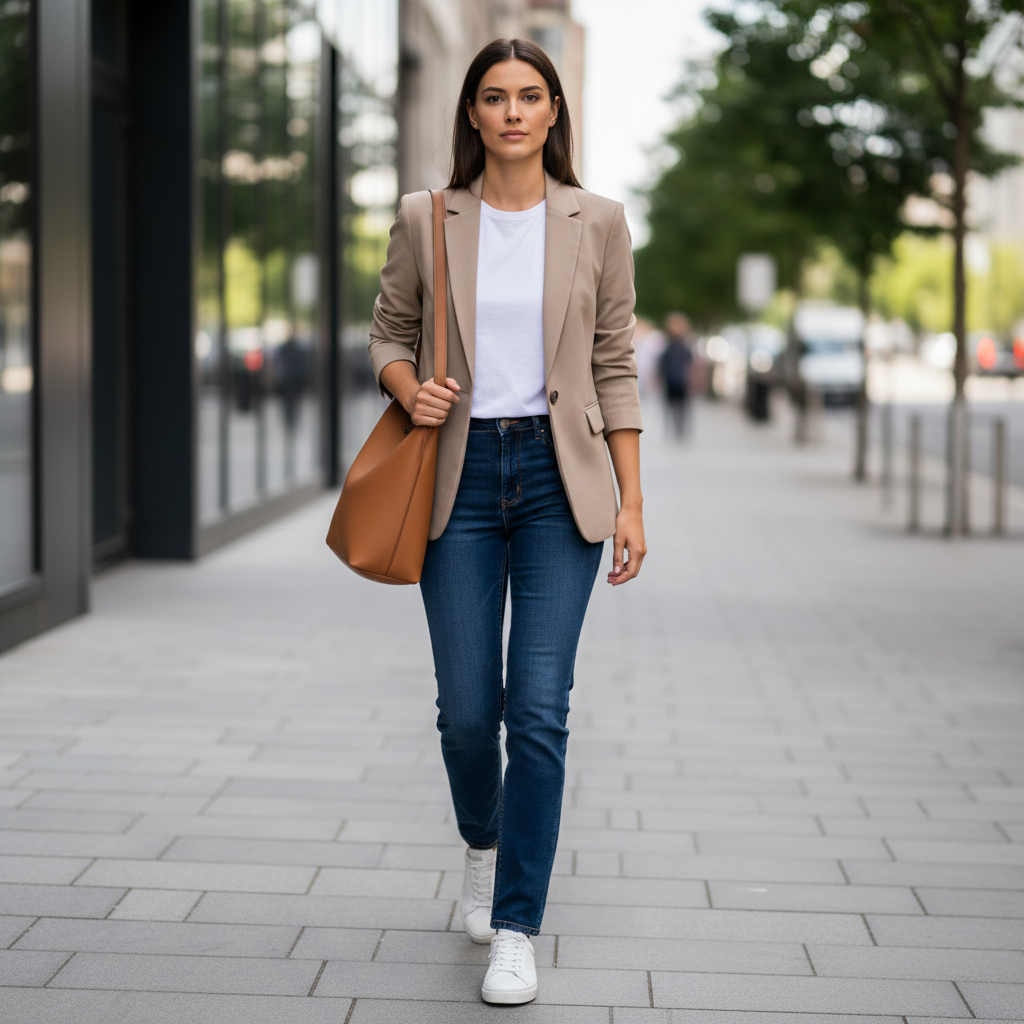
How to Shop Minimalist Without Overbuying (A Practical Filter)
Minimalist shopping is mostly saying “no” with confidence. If you tend to impulse buy, you need a simple rule set that blocks mistakes before checkout.
The 6-question purchase filter
- Can I name 3 outfits with items I already own? If not, it’s probably a fantasy piece.
- Does it match my palette? If it’s “close enough,” it rarely earns its keep.
- Is the fabric easy in my life? Hand-wash-only sounds romantic until week three.
- Do I like it today and in six months? Trend spikes can be fun, but they’re not foundations.
- Does it fit right now? “I’ll make it work” tends to become closet clutter.
- What am I replacing or upgrading? If the answer is “nothing,” pause.
According to Federal Trade Commission (FTC), consumer guidance encourages comparing pricing and understanding return policies, which matters when you’re trying to buy fewer, better items. A clean return process can keep experimentation from turning into sunk cost.
Weekend Action Plan: Get a Minimalist Closet in 2–3 Hours
If you want results quickly, do this in one focused block. Put on music, be a little ruthless, and don’t overthink edge cases.
- Step 1: Pull 10 “always wear” items. These are your style truth, not your aspirational self.
- Step 2: Identify your 2-3 neutrals. If your favorites don’t share colors, you’ve found the problem.
- Step 3: Make 6 outfits from what you have. Photograph them, save to an album, this becomes your lookbook.
- Step 4: Create a short gap list. Aim for 3 items max, usually a bottom, a layer, and a shoe.
- Step 5: Set a holding zone. Anything you’re unsure about goes into a box for 30 days, not back on the rack.
Practical tip: if you’re building from scratch, start with bottoms and shoes. Tops are easy to buy, but they don’t save you if everything below the waist clashes.
Common Mistakes Beginners Make (So You Don’t Waste Money)
Most “minimalist wardrobe fails” come from being too extreme too fast, or from copying someone else’s version of minimalism.
- Buying only basics, no personality. You’ll feel uninspired and swing back to impulse shopping.
- Going all-neutral when you actually love color. Better to choose one accent you repeat than quit entirely.
- Ignoring fit and fabric. Minimalism highlights the details, clingy tees, shiny cheap material, and odd hems show more.
- Purging too aggressively. If you’re anxious about regret, use the 30-day box method instead.
Also, minimalist fashion tips can turn into perfectionism. If your closet feels calmer and outfits feel easier, you’re doing it right, even if you still keep a few “just for fun” pieces.
When to Get Extra Help (Tailor, Stylist, or Sustainability Guidance)
Sometimes you’re not stuck on taste, you’re stuck on execution. Getting help can be the efficient choice.
- Tailor: if pants fit at the waist but puddle at the hem, or blazers feel boxy. Small adjustments can change everything.
- Stylist or personal shopper: if you’ve tried a palette and formulas but still hate photos of outfits, a second set of eyes may help.
- Sustainability questions: if you want guidance on textile disposal or recycling options, check local programs, rules vary by city.
If you’re dealing with body changes, sensory issues, or mobility needs, it may be worth consulting a professional who understands adaptive clothing options, comfort and safety should lead.
Conclusion: Keep It Simple, Then Make It Yours
Minimalist fashion tips are most useful when they reduce choices without reducing you. Start by tightening colors, nailing fit, and building two or three outfit formulas you can repeat, then shop only for the gaps that block those formulas.
If you do one thing this week, take 10 favorite items, build six outfits, and photograph them. That small step makes future shopping and daily dressing noticeably easier.
FAQ
What are minimalist fashion tips that actually work for total beginners?
Start with a small palette, pick two silhouettes you enjoy, and build repeatable outfit formulas. Beginners usually improve fastest by upgrading fit and footwear, not by buying more tops.
Do I need a capsule wardrobe to dress minimalist?
No. A capsule is a helpful tool, but minimalist dressing can also be a set of rules that guide what you keep and how you style it, even if your closet is larger.
How many colors should a minimalist wardrobe have?
Many people do well with 2–3 neutrals and 1–2 accents, but it depends on your comfort zone and dress code. If outfits feel chaotic, reducing colors is often the quickest fix.
Can minimalist fashion still look stylish and not boring?
Yes, style usually comes from proportion, texture, and grooming details. A simple outfit can look sharp when the fit is clean and materials look intentional.
What should I buy first when building a minimalist wardrobe?
In many cases, buy bottoms and shoes first because they anchor the outfit. Then add layers like a jacket or blazer that works across your most common scenarios.
How do I shop minimalist on a budget?
Use a strict purchase filter, prioritize cost-per-wear, and consider secondhand for classic pieces. Budget tailoring for key items often beats buying new items that fit “almost right.”
Is minimalist fashion better for sustainability?
It can be, especially if it leads you to buy less and wear items longer. Real sustainability varies by fabric, care, and how often you actually wear the pieces, so keep it practical.
If you’re trying to simplify your closet but keep getting stuck between “too plain” and “too much,” a guided capsule plan or a personalized gap list can be a more low-stress way to apply minimalist fashion tips without starting over.