
women job interview outfit professional choices come down to one thing: looking credible fast without distracting from your answers.
If you have ever changed outfits three times, worried you look “too much” or “not enough,” you are not alone, most interview outfit stress is really uncertainty about the company vibe and the role seniority.
This guide keeps it practical, you will get simple outfit formulas, a quick self-check, and a few small details that quietly do a lot of work in an interview.
What “professional” really means in U.S. interviews
Professional usually means your outfit signals judgment, fit, and respect for the meeting. It does not require a full suit in every industry, but it almost always requires clean lines, good fit, and low-noise styling.
Think in three layers: workplace norm, role level, and the type of interview. A final-round panel interview often needs more structure than a casual first screen on video.
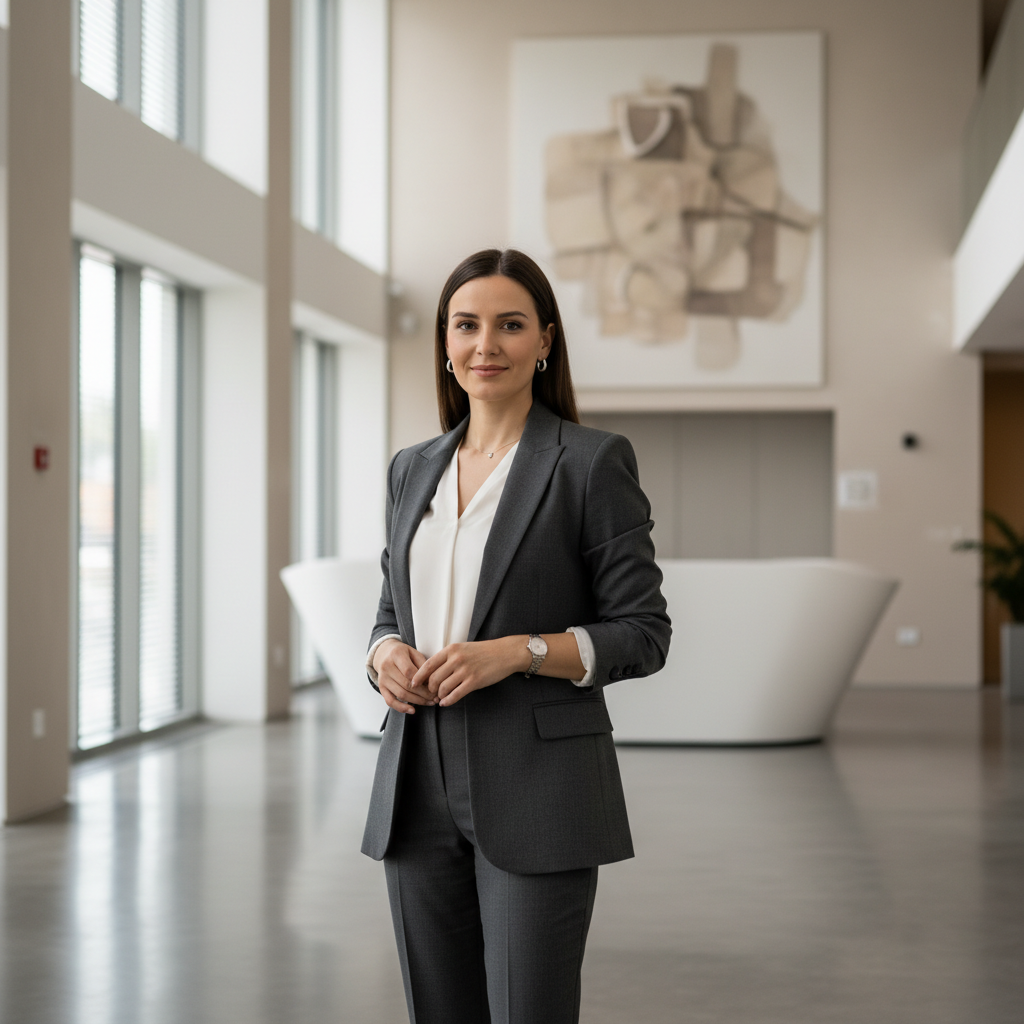
According to the U.S. Equal Employment Opportunity Commission (EEOC), employers should not discriminate based on protected characteristics, but real-life interviews still involve human perception, so your goal is to reduce “visual questions” and keep attention on your skills.
Why outfits go wrong (even when the clothes are nice)
- Fit is slightly off, pulling at buttons, bunching at shoulders, or hems hitting an awkward spot, it reads like you rushed.
- The formality level mismatches, overdressing can feel stiff in a casual office, underdressing can look like you did not research.
- Too many statement pieces, bold prints, loud jewelry, and trendy shoes compete with your message.
- Comfort gets ignored, shoes you cannot walk in, fabrics that wrinkle fast, tops that shift when you sit.
- Lighting surprises on camera, bright white can blow out, tiny stripes can “shimmer,” shiny fabrics reflect.
Quick self-check: which interview outfit lane are you in?
If you want one fast way to decide, answer these questions and follow the lane that fits most of your “yes” answers.
- Conservative lane: finance, law, government, executive roles, client-facing with traditional expectations.
- Modern professional lane: corporate tech, marketing, healthcare admin, most mid-size companies.
- Smart casual lane: early-stage startups, creative studios, some internal roles where the office is relaxed.
Self-check questions
- Will you meet leadership, clients, or a panel?
- Is the role senior, or does it influence budgets, decisions, or external partners?
- Does the company website show formal headshots and suits, or casual team photos?
- Is the interview in-person in a corporate building?
- Do you feel more confident with structure, like a blazer?
Women interview outfit formulas (reliable, not fussy)
These are repeatable “plug and play” options that work for most U.S. interview contexts. If you are unsure, go one step more formal than you think the office is.
Formula 1: Tailored blazer + straight-leg trousers
- Blazer in navy, charcoal, or black, minimal hardware
- Trousers that skim, not cling
- Top: matte knit shell, blouse, or fine-gauge sweater in cream, light blue, or muted tones
- Shoes: closed-toe flats, loafers, or low block heels
Formula 2: Sheath or midi dress + blazer or cardigan
- Dress with a stable neckline and comfortable sitting fit
- Layer to add structure, a blazer reads more formal than a soft cardigan
- Neutral shoe, simple jewelry
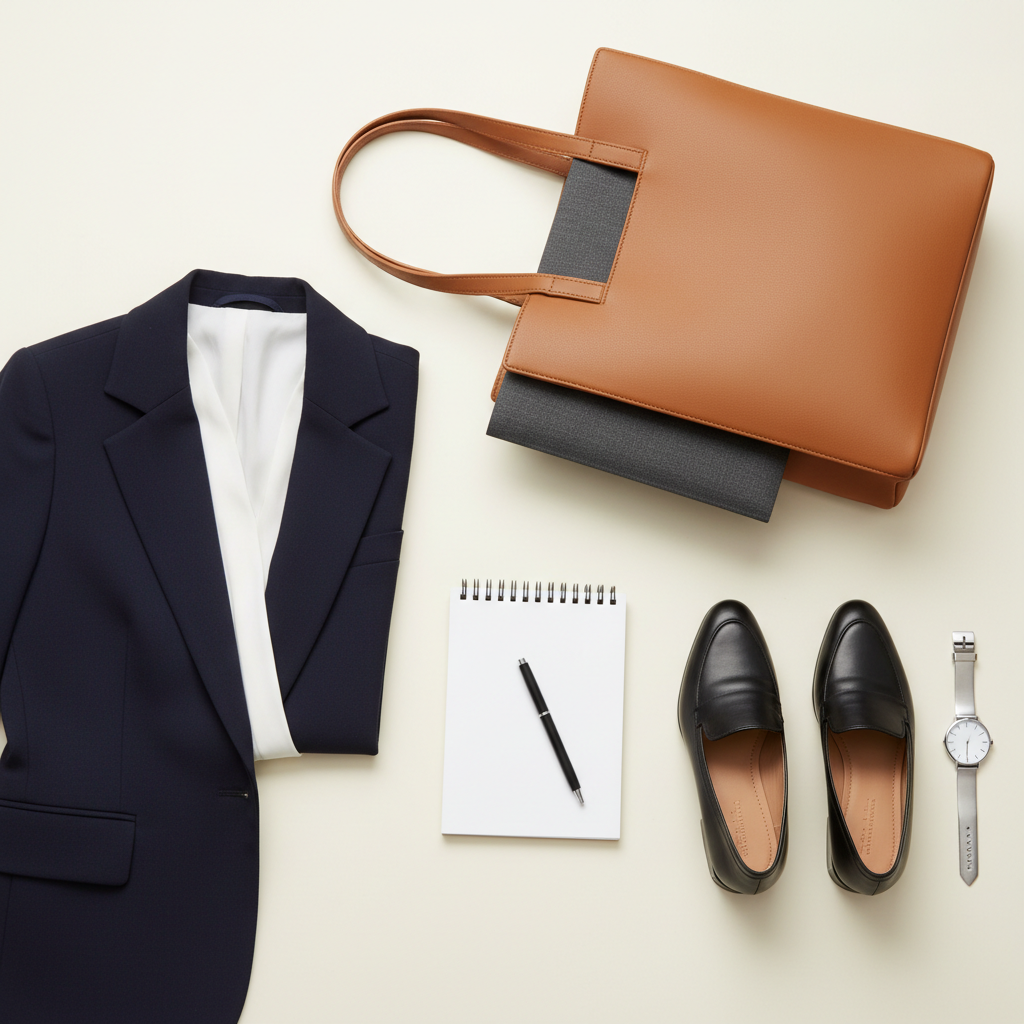
Formula 3: Structured knit top + tailored skirt
- Pencil or A-line skirt around knee to midi length
- Opaque tights if needed, depending on season and comfort
- Keep the top matte and smooth, avoid clingy ribbing that reads casual
Formula 4 (smart casual): Blazer + dark denim + polished top
This works when you know the workplace is casual, and the role is not heavily client-facing. Choose dark, clean denim with no distressing, and make everything else look intentional.
- Dark wash straight or slim jeans, no rips, no fading
- Blazer or structured jacket
- Loafers or sleek ankle boots
Details that quietly upgrade your look
People notice the small things more than they admit, especially in a quiet conference room.
- Fabric and finish: matte fabrics photograph better and look calmer in person.
- Wrinkle control: steam or press, then sit in the outfit for five minutes at home to test creasing.
- Bag choice: a medium tote or structured bag looks more professional than a slouchy carryall.
- Grooming basics: neat hair, clean nails, minimal fragrance, interviews are close-quarters.
- Jewelry: one “yes” piece is fine, many pieces become noise.
Use this table to match outfit level to industry
These are typical norms, not rules, your company research should win if it contradicts the list.
| Industry / Setting | Safer outfit direction | What to avoid |
|---|---|---|
| Finance, law, government | Blazer + trousers or suit, closed-toe shoes | Casual denim, flashy prints, open-toe sandals |
| Corporate (ops, HR, sales, admin) | Modern professional, blazer optional but helpful | Very trendy silhouettes, oversized streetwear looks |
| Tech (mid to large) | Blazer with trousers, or smart casual with polish | Looking underprepared, wrinkled tees, worn sneakers |
| Startups / creative | Smart casual, clean minimal accessories | Trying to “costume” creativity with extreme pieces |
| Healthcare (non-clinical roles) | Conservative to modern professional, practical shoes | Strong fragrance, uncomfortable heels you cannot walk in |
Practical prep: 48 hours, 24 hours, interview morning
48 hours out: pick one outfit, then build a backup that uses the same shoes and bag. If your interview runs long or you spill coffee, you will feel less rattled.
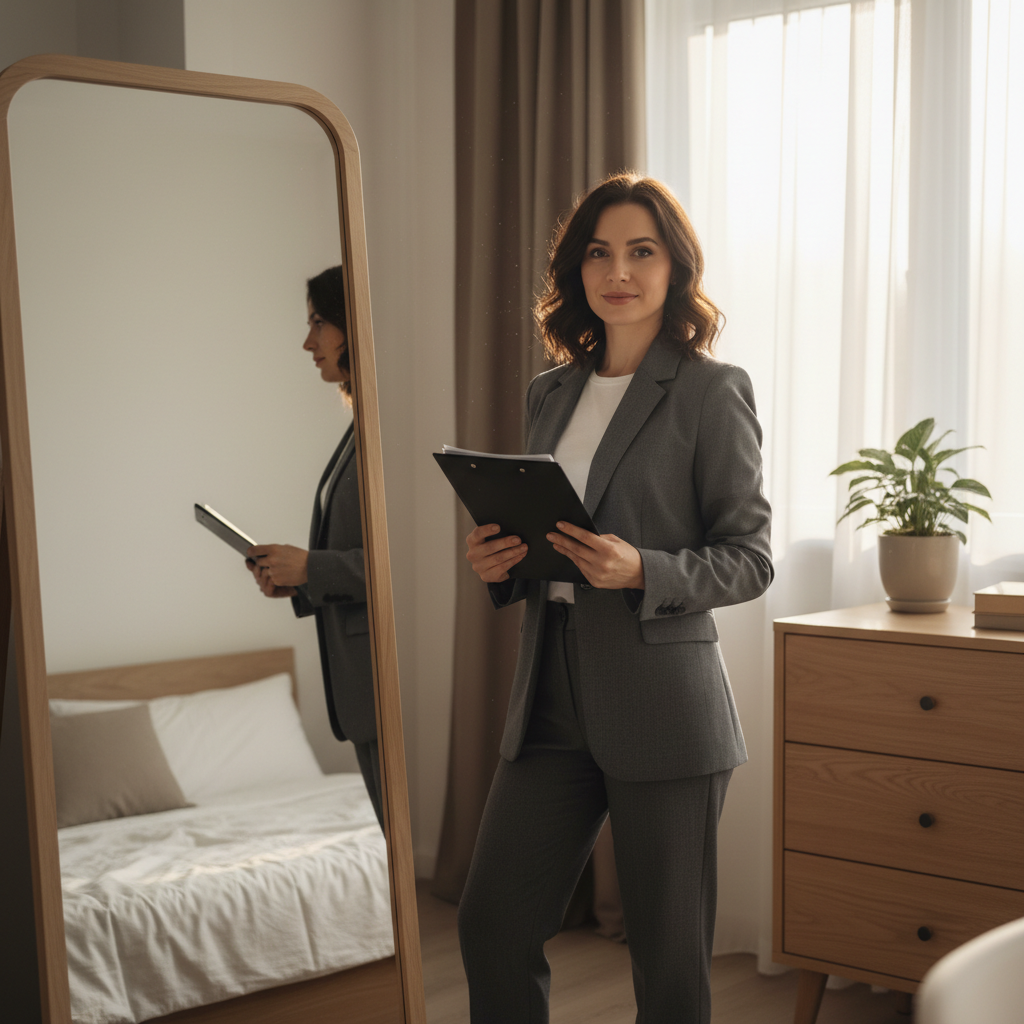
24 hours out: do a sit, stand, walk test. Check neckline, hem, and whether anything shifts when you reach forward to shake hands or pick up a bag.
Interview morning: keep it calm. Lint roll, check underarm marks, pack mints, and bring a layer if the building runs cold.
Common mistakes (and what to do instead)
- “It’s new, so it’s fine”: new shoes can cause pain, break them in or choose a known comfortable pair.
- Wearing white without a plan: bright white can be slightly sheer under strong lights, choose lined fabrics or wear a seamless neutral layer.
- Overcorrecting with very high heels: a stable low heel or loafer often reads more confident than wobbling.
- Ignoring climate: commuting in rain or heat can ruin a look, pack a light coat or umbrella and consider fabric choice.
- Copying a “perfect” outfit online: what works on a model may not match your role, comfort level, or office culture.
When to get extra help
If you are interviewing for a highly visible role, returning to work after a long break, or changing industries, a stylist session or store personal shopper can be worth it, even a one-time appointment. If the job has uniform, safety, or on-site requirements, ask the recruiter what is appropriate, it is a normal question and can prevent awkward surprises.
Key takeaways to remember
- Fit and polish beat trends, especially when you want to look credible quickly.
- When unsure, choose a modern professional look and keep accessories quiet.
- Test your outfit sitting and walking, comfort affects how you answer questions.
- A women job interview outfit professional plan is easier when you pick a lane based on industry and role level.
Conclusion
A solid interview outfit is not about dressing like someone else, it is about removing doubt so your experience can lead the conversation. If you pick one reliable formula, check fit, and keep details clean, you will usually land in the right place for most U.S. interviews.
If you want a simple next step, choose your lane, build one outfit and one backup, then do a quick movement test the day before.
FAQ
What colors are safest for a women job interview outfit professional look?
Navy, charcoal, black, and soft neutrals are usually the easiest. They read calm, pair well, and tend to look better under office lighting and on camera.
Do I need to wear a suit for an interview?
Not always. In conservative industries a suit is still common, but in many settings a blazer with tailored trousers gives the same professional signal without feeling too formal.
Are flats acceptable for interviews?
Yes, as long as they look polished, structured, and clean. A pointed-toe flat or loafer often works well, especially if you will walk a lot on campus or through a large building.
Can I wear black jeans to an interview?
Sometimes. If the company is clearly casual, black jeans with a blazer and refined shoes can work, but for unknown cultures, tailored trousers are the safer swap.
What should I wear to a video interview?
Choose a solid color top with a stable neckline, avoid tight stripes or shiny fabrics. Keep the same outfit standards as in-person from the waist up, and still wear comfortable professional bottoms in case you need to stand.
Is it okay to show tattoos or wear statement jewelry?
It depends on the workplace. If you cannot read the culture, keep jewelry minimal and consider covering tattoos for the first meeting, then adjust once you understand the environment.
What bag should I bring to an interview?
A structured tote or medium satchel that fits your resume folder and essentials works well. It looks intentional and avoids the “stuffed purse” scramble at the table.
Light, practical next step
If you are still stuck between two outfits, or you want a more repeatable closet setup for interviews and early weeks on a new job, it often helps to build a small mix-and-match capsule around one blazer, one pair of trousers, and two tops, then you can stop overthinking and focus on prep.