
Men boxer briefs cotton stretch are often the “default” choice for everyday underwear, but if yours ride up, pinch at the thighs, or feel damp by mid-day, something about the fabric blend or fit is off. The good news is you usually don’t need a drawer overhaul, you just need to know what to look for.
Most frustration comes down to a few details people rarely check: how much elastane is in the fabric, whether the cotton is combed or not, how the leg opening is finished, and how the waistband is constructed. Those small build choices decide whether a pair feels supportive and smooth, or annoying and fussy.
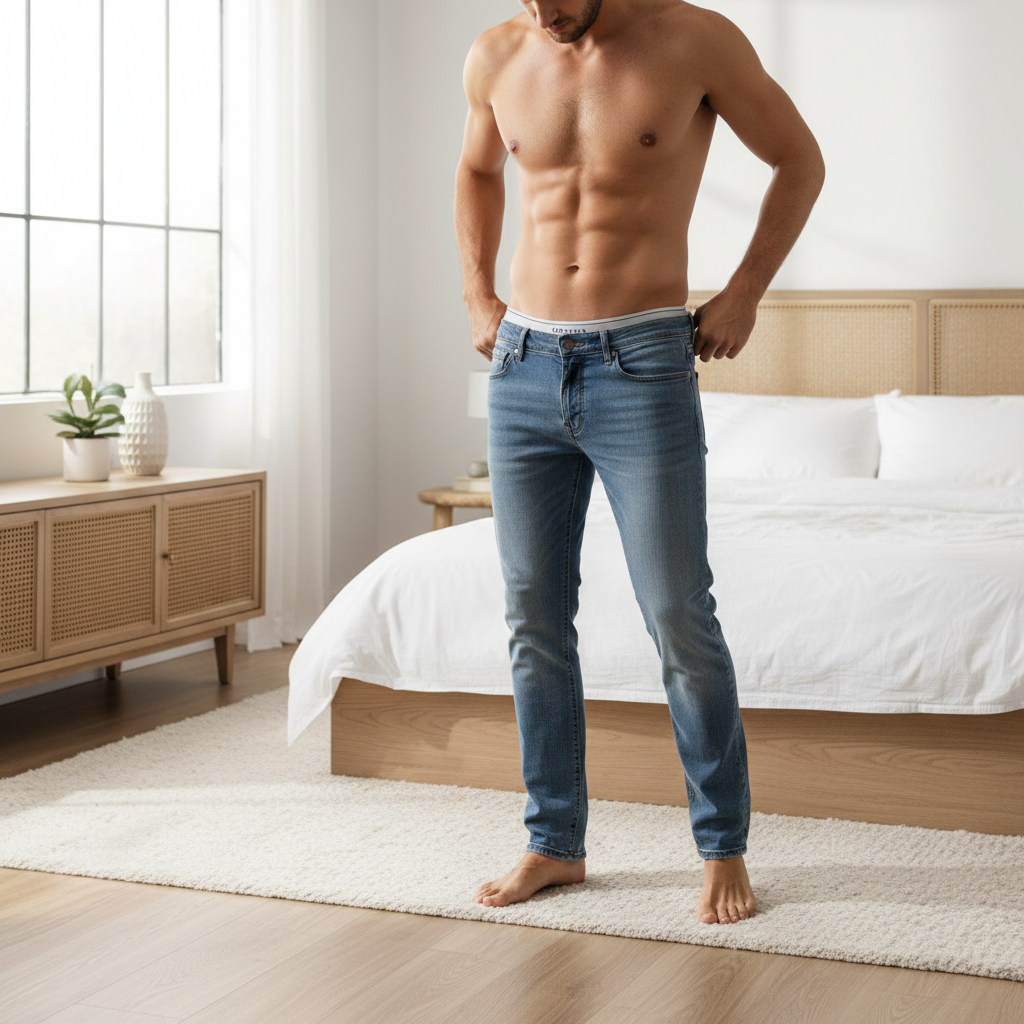
This guide breaks down how cotton stretch boxer briefs work, how to pick the right cut for your body and routine, and how to avoid the common “looks fine on the model” traps. You’ll also get a quick comparison table and a practical checklist you can use while shopping.
Why cotton stretch boxer briefs sometimes fail (and what that signals)
When a pair feels wrong, it usually isn’t because “boxer briefs don’t work” but because the balance between cotton, stretch, and construction misses your use case.
- Riding up: often a leg opening that’s too loose, a short inseam for your thigh shape, or fabric that loses recovery after washing.
- Pinching or sausage-leg: leg bands too tight, inseam too long for your build, or a higher elastane percentage paired with small sizing.
- Bunching under pants: thick seams, bulky pouch panels, or a cut that’s too roomy in the seat.
- Feels hot or damp: cotton-heavy blends can hold moisture; stretch helps movement, not necessarily cooling.
- Waistband roll-down: waistband height and stiffness mismatch your waist/hip ratio, or the rise is too low for your torso.
According to the American Academy of Dermatology Association (AAD), choosing breathable, non-irritating fabrics and avoiding friction can help reduce skin irritation in sensitive areas. If you deal with chafing or recurring rashes, fabric feel and seam placement matter more than “brand.”
Fabric and blend basics: what “cotton stretch” really means
“Cotton stretch” typically means cotton plus a small percentage of elastane (spandex) and sometimes polyester or modal. Each adds something, and each has a trade-off.
What to look for on the label
- High cotton content (often 90%+): softer, classic feel, can feel warmer and hold moisture longer.
- Elastane around 5–10%: improves mobility and shape retention; too little can feel baggy, too much can feel compressive depending on cut.
- Combed or ring-spun cotton: usually smoother and less “scratchy” than basic cotton, helpful if you’re sensitive to texture.
If your priority is all-day comfort in normal office life, men boxer briefs cotton stretch with a moderate stretch percentage tends to feel stable without turning into “athletic compression.” If you sweat a lot or you’re on your feet all day, you might want a blend that dries faster, even if cotton is still the main story.
Fit and inseam: the part most guys guess wrong
Two pairs can share the same size tag and still fit completely differently because inseam length, rise, and leg opening shape vary by brand. This is where most “why do these ride up?” complaints come from.
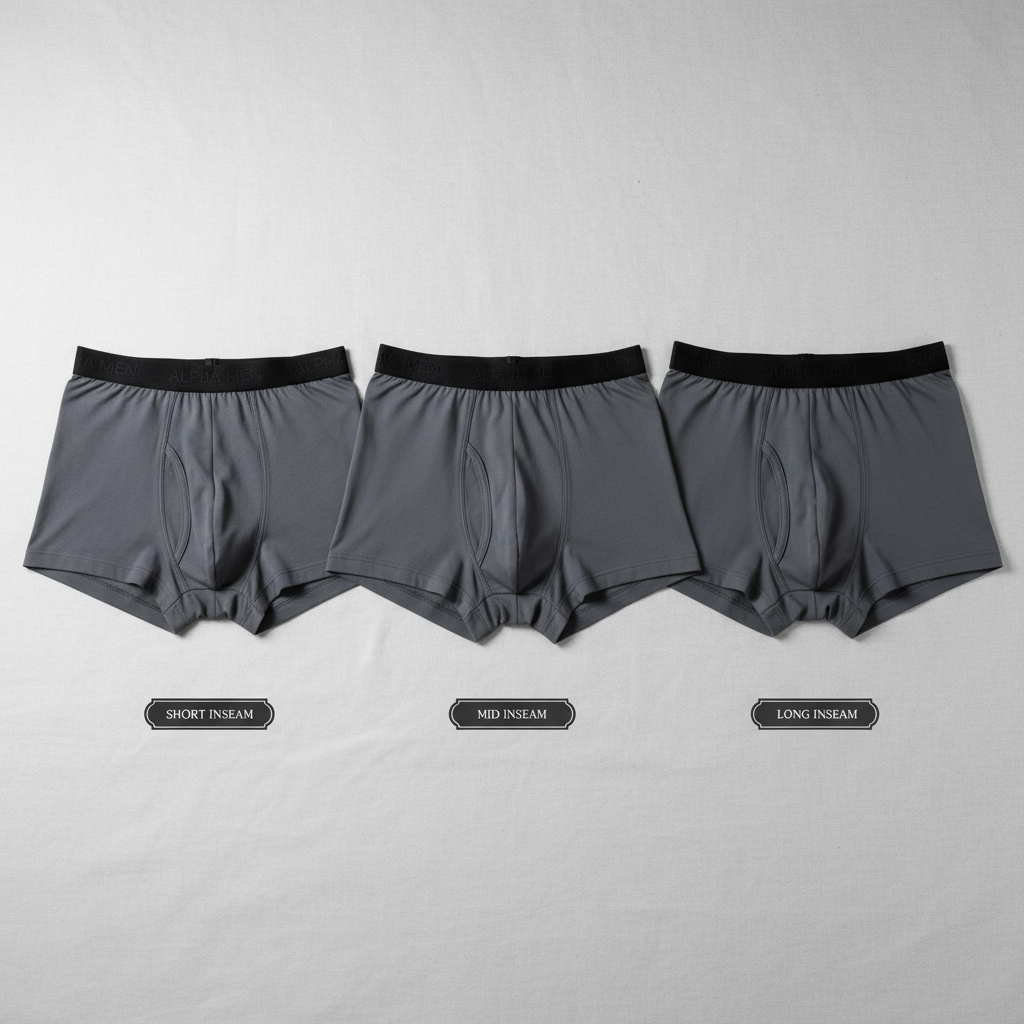
Quick inseam guide (real-world tendencies)
- Short (about 3–4 inch): cooler feel, less fabric under slim pants, can ride up more on larger thighs.
- Mid (about 5–6 inch): the “most forgiving” for many builds, better balance of coverage and mobility.
- Long (about 7–9 inch): more anti-chafe coverage, can feel warm, can bunch under skinny jeans.
Fit should feel like light support, not a tourniquet. If you constantly adjust during the day, you’re not “picky,” the cut is just wrong for your movement pattern.
Use-case matching: everyday, gym, work travel, and heat
Buying one “do-everything” pair is tempting, but underwear is a little like shoes: the wrong tool creates small annoyances that add up.
Everyday / office
Go for a smooth cotton hand-feel, moderate stretch, and a waistband that stays flat under a belt. A mid inseam is the low-drama option for most people.
Walking-heavy days and travel
Look for anti-chafe features: longer inseam, flat seams, and fabric that keeps shape after hours of sitting. If you’ve had thigh rub before, prioritize leg stability over ultra-softness.
Gym and high sweat
Cotton can feel comfortable at first, but it may stay damp longer. If you insist on cotton stretch, pick a lighter-weight knit and avoid thick waistbands that trap heat. If you get recurrent skin issues, it’s worth asking a clinician what fabric choices might help your situation.
According to the Centers for Disease Control and Prevention (CDC), staying clean and dry can reduce the chance of certain skin problems in areas prone to moisture and friction. Underwear choice is only one factor, but it’s a controllable one.
Comparison table: how to choose the right pair faster
Here’s a simple way to decide without overthinking marketing terms.
| Priority | What to choose | What to avoid |
|---|---|---|
| Less riding up | Mid-to-long inseam, good recovery stretch, stable leg opening | Very short inseam on larger thighs, fabric that loosens quickly |
| Less chafing | Longer inseam, flat seams, smoother knit | Rough inner seams, loose legs that create friction folds |
| Cooler feel | Lightweight cotton stretch, shorter or mid inseam, breathable weave | Thick waistband, heavy fabric, extra panels that trap heat |
| Support | Contoured pouch or supportive front panel, moderate elastane | Overly tight sizing, harsh elastics that dig in |
Self-check: a quick checklist before you buy (or before you blame your body)
If you’re trying to diagnose what’s wrong with your current drawer, this checklist saves time.
- You see thigh marks after a few hours: leg band too tight or wrong inseam length.
- The seat sags by afternoon: not enough elastane or fabric losing recovery from heat/washing.
- You feel damp often: cotton-heavy fabric plus your activity level, consider lighter knit or rotate pairs midday.
- Waistband folds when sitting: rise too low or waistband too stiff for your torso shape.
- Seams irritate: seam placement/finish is the issue, not your skin being “too sensitive.”
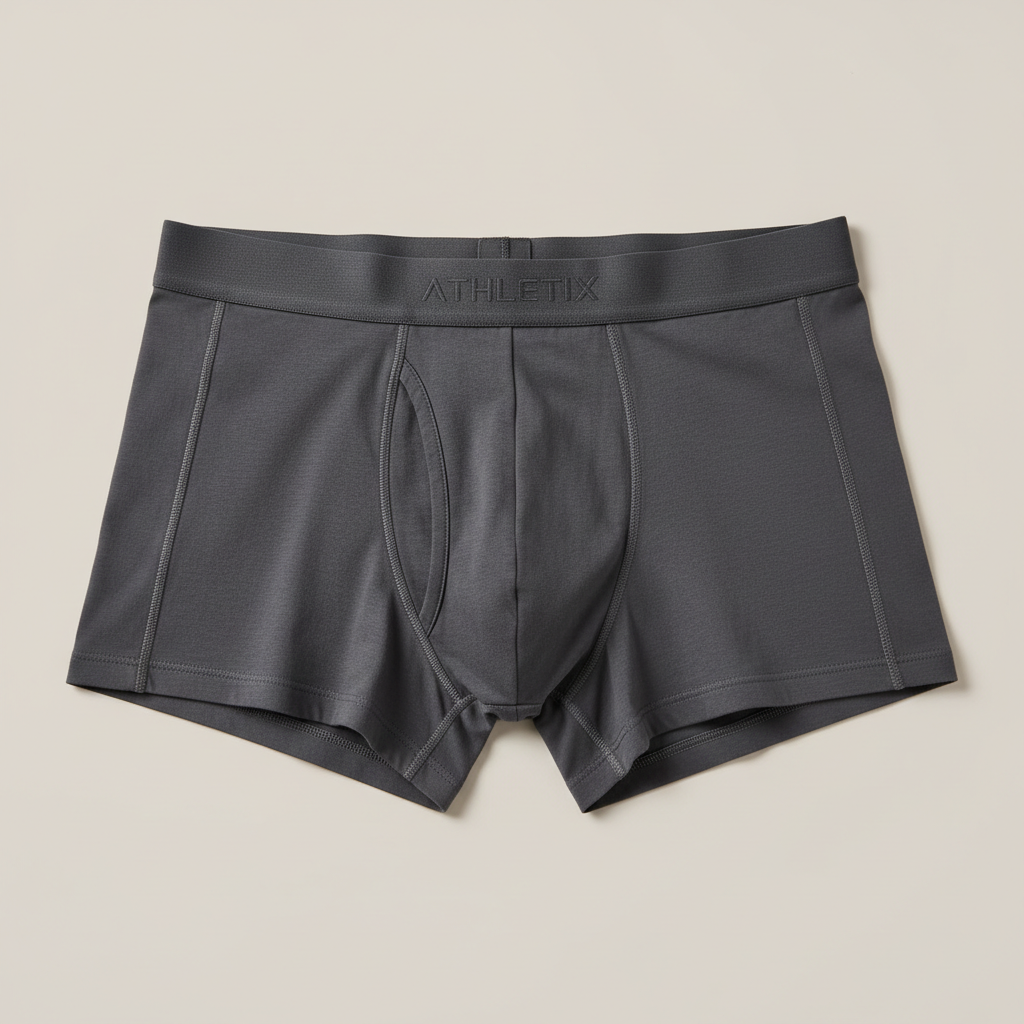
Key takeaway: when men boxer briefs cotton stretch feel uncomfortable, sizing is only one variable. Inseam length, seam design, and stretch recovery often matter more than going up or down a size.
Practical buying and care tips that actually change comfort
You can often fix 80% of the problem with a few practical moves, no underwear “deep research” required.
Buying steps (simple, not obsessive)
- Pick two inseam lengths to test, not five brands at once. For many guys, mid vs long is the most informative comparison.
- Check fabric percentages and aim for a blend that matches your day, not just the softest in-hand feel.
- Read for construction terms like flat seams, tagless, contoured pouch, and no-roll waistband, then verify with photos.
- Buy 1–2 pairs first, wear them on a full day, then decide. Comfort problems often show up after hours, not minutes.
Care tips (because stretch fabrics can “change”)
- Use cooler wash cycles when possible, high heat can reduce elastane life and lead to baggy fit.
- Avoid over-drying, or at least use low heat, many blends keep shape longer that way.
- If irritation is a pattern, rinse detergent well and consider fragrance-free options; if symptoms persist, a professional opinion is sensible.
Common mistakes to avoid
- Assuming tighter equals more support: too-tight legs usually create riding up and chafing, not stability.
- Ignoring waistband height: a great fabric with a waistband that rolls feels bad all day.
- Choosing only by “100% cotton”: pure cotton can feel great, but if you want consistent shape, some stretch often helps.
- Wearing worn-out pairs too long: once recovery is gone, comfort rarely returns, even if the fabric still feels soft.
Conclusion: what to do next
If your goal is fewer adjustments and better all-day comfort, treat men boxer briefs cotton stretch like a fit problem, not a branding problem. Start with inseam and construction, then dial the blend to match your heat and activity level.
Pick one mid-inseam and one long-inseam option with a similar cotton-stretch blend, test them on a normal day, and keep notes on riding up, waistband behavior, and moisture feel. That small experiment usually tells you more than reading ten product pages.
FAQ
What percentage of spandex is good for cotton stretch boxer briefs?
Many everyday pairs sit around 5–10% elastane. Lower can feel less supportive over time, higher can feel more compressive, especially if the cut runs small.
Why do my boxer briefs ride up even when the size is correct?
Riding up often points to inseam length and leg opening shape, not waist size. A slightly longer inseam or a more stable leg finish can make a bigger difference than sizing up.
Are cotton stretch boxer briefs good for sweating?
They can be comfortable, but cotton often holds moisture longer than performance synthetics. If you sweat heavily, look for lighter fabrics and construction that reduces friction, and consider rotating pairs on long days.
Do pouch designs actually help, or is it marketing?
A well-designed pouch can reduce bunching and improve support, but it’s not universal. If you feel pressure or extra fabric folding, that specific pouch shape may not match your body or preferred fit.
How do I stop waistband rolling?
Try a slightly higher rise or a waistband designed to stay flat. Rolling can also happen when the waist is snug but the hips are wider, so experimenting with cut matters.
What inseam length is best for preventing chafing?
Longer inseams typically reduce inner-thigh skin-to-skin contact. If you wear slim pants, balance that with potential fabric bunching by choosing smoother materials and flatter seams.
When should I talk to a professional about irritation or rashes?
If you have persistent itching, broken skin, recurrent rashes, or pain, it’s smart to consult a clinician, because fabric changes help some people but don’t address every cause.
If you’re trying to replace a few worn pairs and want a more reliable fit, it can help to narrow your options by inseam length and blend first, then choose finishing details like flat seams and waistband style that match how you actually spend your day.