
women sustainable denim jeans eco sounds simple until you start shopping and everything claims to be “conscious.” If you’ve ever stared at product pages wondering whether “eco wash” is real or just marketing, you’re not alone.
The good news is you can get to a confident decision without becoming a textile expert. A few materials, certifications, and care details reveal whether a pair is genuinely lower impact, and whether it will last long enough to justify the price.
This guide breaks down what matters, what to ignore, and how to buy in a way that matches how you actually wear jeans, commute, sit at a desk, chase kids, or rotate outfits around a few favorites.
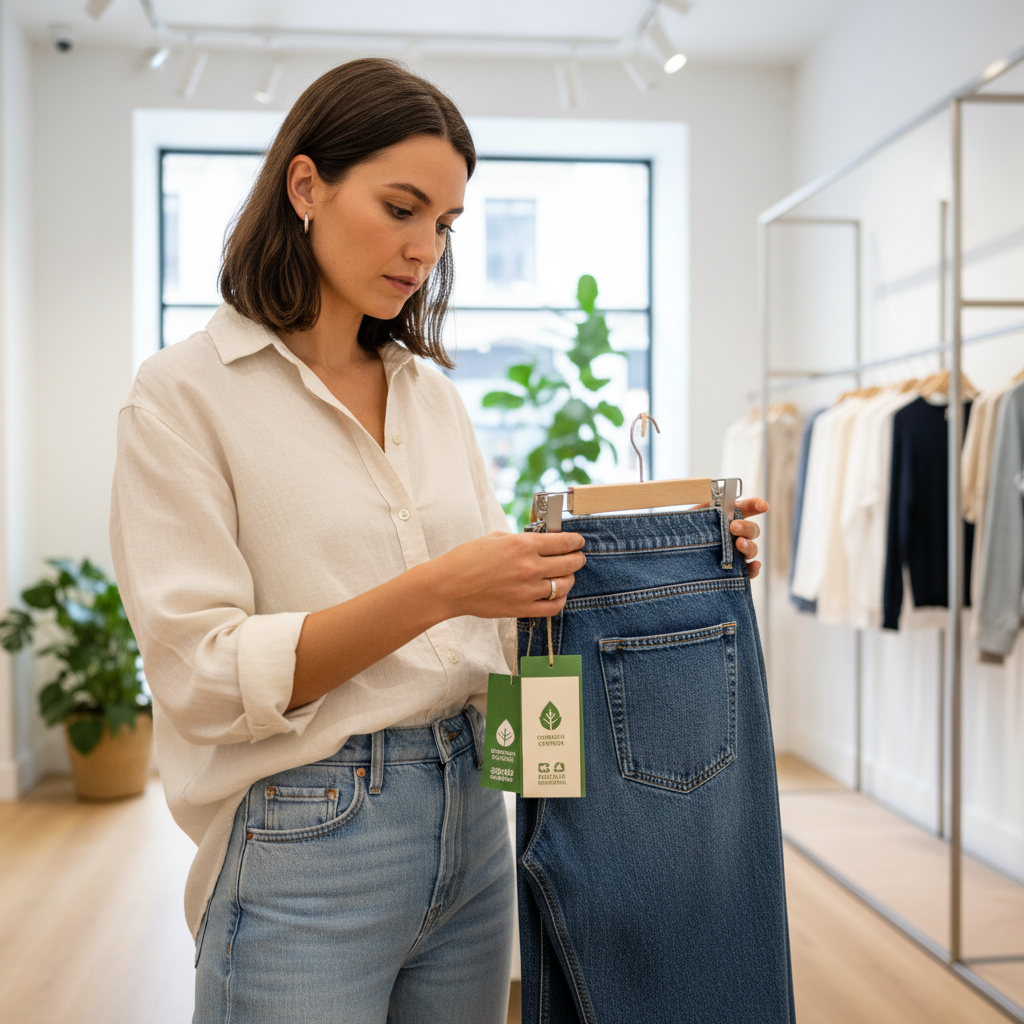
What “eco sustainable denim” usually means (and what it doesn’t)
In denim, “sustainable” typically points to lower water use, safer chemistry, better labor practices, and materials with fewer fossil inputs. But most brands mix these ideas together, then simplify it into one word on a tag.
Here’s the practical way to read it: treat sustainability as a set of trade-offs. A jean can use organic cotton but still have a heavy, chemical wash. Another can use recycled fibers but be blended with a lot of elastane, which may reduce recyclability later. Neither is “perfect,” so you’re choosing which impacts you prioritize.
According to the U.S. Environmental Protection Agency (EPA), reducing waste and extending product life are key strategies for lowering environmental impact. For denim shoppers, that often translates into buying fewer pairs, choosing sturdier construction, and caring for them well.
Why denim has a footprint in the first place
People often assume the “problem” is just cotton farming. Cotton can matter, but denim impact usually stacks up across multiple steps, and some steps are more controllable than others.
- Fiber production: Conventional cotton may involve more pesticides and irrigation, while recycled cotton avoids new farming but can be shorter-staple and need blending.
- Dyeing: Indigo dyeing is resource-intensive, and wastewater management varies by mill.
- Finishing and distressing: Sandblasting and certain abrasion methods can be unsafe for workers if poorly controlled. Many brands moved away from the worst practices, but transparency still varies.
- Shipping and packaging: Not the biggest slice for every brand, but it adds up, especially with air freight and lots of returns.
- Use phase: Washing, drying, and replacing jeans early can quietly outweigh what you expect.
If you’re aiming for women sustainable denim jeans eco choices that feel real, the easiest wins usually come from picking a durable pair and slowing down your wash-and-dry routine.
Quick self-check: what kind of “sustainable” buyer are you?
Before you compare brands, decide what you actually need. Otherwise you’ll end up buying a “good” jean that sits in your drawer, which defeats the point.
- Wear-it-everywhere basics: prioritize durability, classic wash, and repair-friendly construction.
- Comfort-first: look for modest stretch and a recovery test, not just “soft.”
- Low-chemical finishing: choose darker, cleaner washes and avoid heavy distressing if you can.
- Vegan preference: watch for leather patches and some adhesives, check product details.
- Recycled-content focus: verify percentages and the type of recycled fiber, then accept possible texture differences.
If you’re split between two priorities, pick the one that keeps the jeans in rotation longer. Longevity tends to be the most honest sustainability lever for most closets.
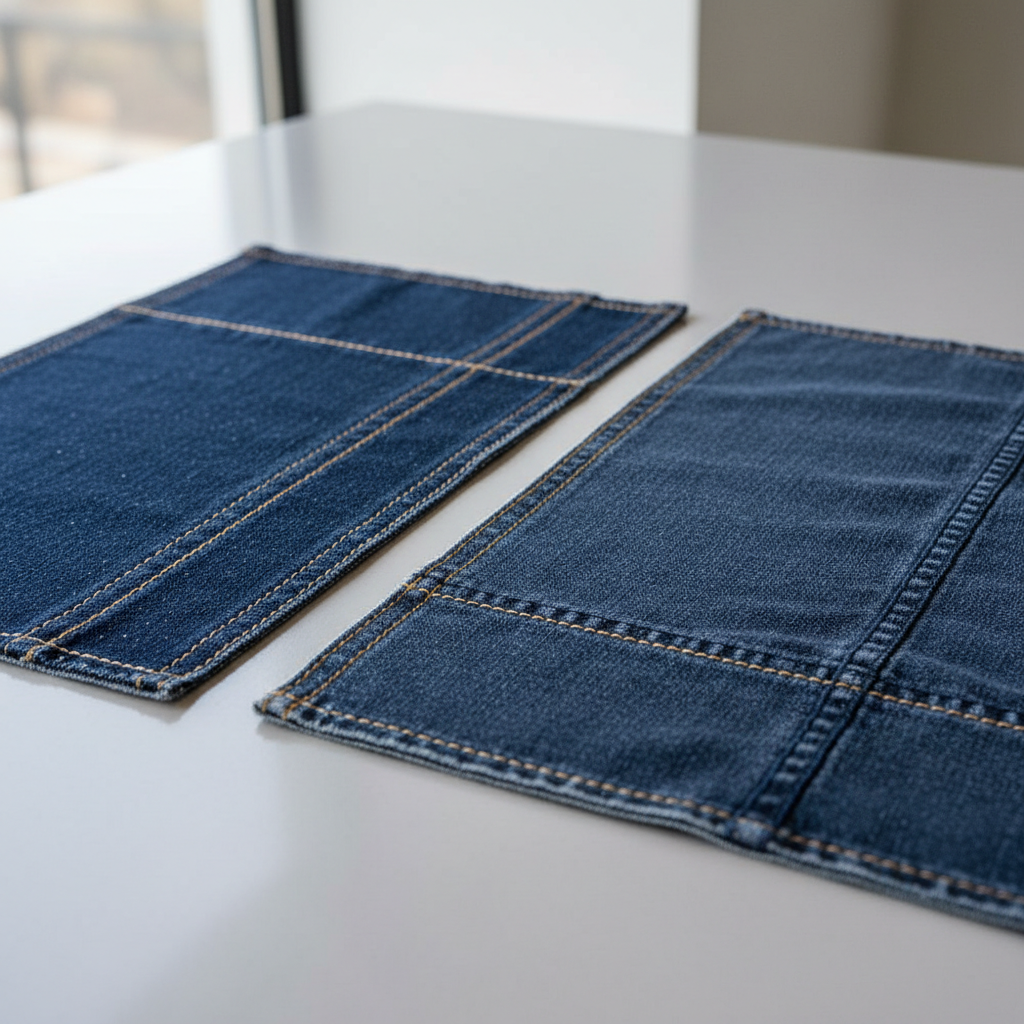
Materials, blends, and why “a little stretch” matters
Fabric composition is where eco claims become measurable. Start with the fiber list, then move to the finish and construction.
Common denim fibers (what to expect)
- Organic cotton: often chosen to reduce synthetic pesticide use, but it still can be water-intensive depending on region and farming methods.
- Recycled cotton: lowers demand for virgin cotton, but may feel less crisp and often needs blending for strength.
- Lyocell/TENCEL™: a cellulose fiber that can add drape and softness; check that it’s sourced and processed responsibly.
- Hemp: can be sturdy and breathable, sometimes a bit textured; great in blends for durability.
- Elastane (spandex): boosts comfort, but higher percentages can reduce lifespan and make recycling harder.
A practical rule: if you want jeans to keep shape, look for lower stretch or better recovery, not necessarily the stretchiest feel in the fitting room.
Certifications and proof points that usually help (without over-trusting them)
Certifications are not magic, but they’re better than vague buzzwords. On women sustainable denim jeans eco product pages, look for specific standard names and scope, not just “certified.”
- GOTS (organic textiles): helpful when it covers the full supply chain, not only fiber.
- OEKO-TEX®: focuses on harmful substances in textiles, useful for chemical reassurance.
- Fair Trade Certified™ (or similar programs): can signal stronger social compliance, though programs vary in what they audit.
- bluesign®: often associated with safer chemical management in textile production.
- ZDHC alignment: indicates efforts to reduce hazardous chemicals in supply chains.
According to the Federal Trade Commission (FTC), environmental marketing claims should be truthful, not misleading, and supported by evidence (see the FTC’s Green Guides). If a claim sounds broad, ask: “Supported by what, exactly?”
Shopping checklist + a simple comparison table
When you’re deciding between two pairs, avoid getting hypnotized by one feature like “organic.” Use a short checklist, then compare side by side.
- Fabric: fiber percentages, especially elastane content.
- Wash: darker/cleaner finishes usually mean fewer finishing steps than heavy whiskering and distressing.
- Construction: tighter seams, solid rivets, and quality zippers tend to last longer.
- Repairability: extra hem allowance, classic thread colors, and sturdy pockets make fixes easier.
- Transparency: mill info, factory info, and certification details beat vague sustainability pages.
| What you see | What it often signals | Good follow-up question |
|---|---|---|
| “Eco wash” / “low impact wash” | Potentially reduced water/chemicals, but unclear scope | Is there a named process, certification, or wastewater standard? |
| 98% cotton / 2% elastane | Comfort with moderate stretch | Does it mention shape retention or recovery? |
| High recycled content | Lower virgin fiber demand | Is it recycled cotton, recycled polyester, or a blend? |
| Heavy distressing | More finishing steps, sometimes higher chemical/energy input | How does the brand protect workers during finishing? |
| Factory and mill listed | More traceability | Are audits, standards, or goals shared in plain language? |
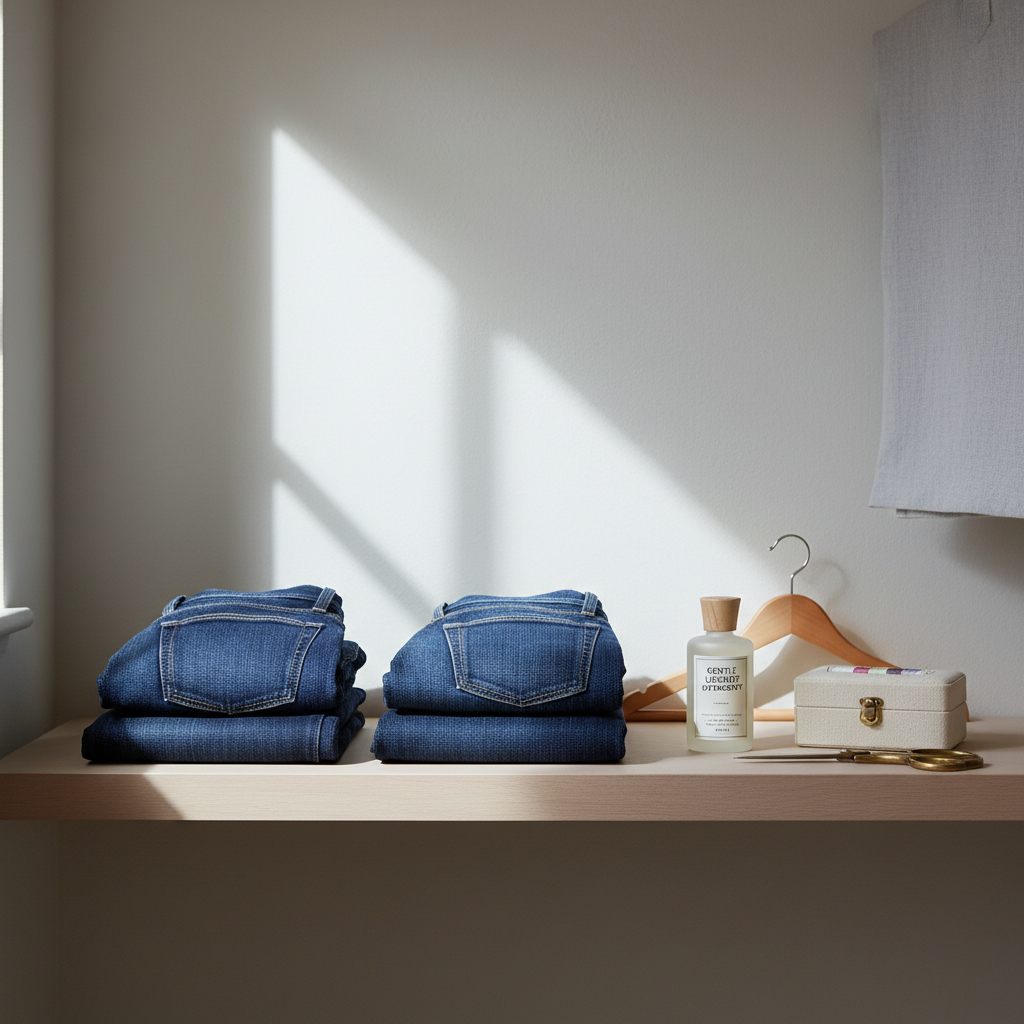
Practical steps to buy fewer, better jeans (and avoid returns)
Returns create extra shipping and repackaging, and they also waste your time. This is where a little prep goes a long way.
1) Start with fit and rise, not the brand story
Know your “non-negotiables” before you browse: rise (high/mid/low), leg shape (straight, wide, slim), and inseam. If you’re between sizes, check whether the fabric is rigid or stretch, it changes everything.
2) Read the fabric line like you mean it
If you want that classic denim break-in and longevity, lean toward higher cotton content and lower elastane. If comfort is your dealbreaker, choose stretch, but accept you may replace them sooner, especially if you machine-dry often.
3) Pick a wash you’ll still like next year
Trendy fades can be fun, but if your goal is women sustainable denim jeans eco shopping, a versatile dark or medium wash usually stays in rotation longer, and it often involves fewer finishing effects.
4) Plan care before you buy
According to the American Cleaning Institute (ACI), washing less often and using cold water can help reduce energy use and can be gentler on clothing. In real life, if you can air-dry and spot-clean between washes, your jeans may last longer.
- Wash inside out, cold, gentle cycle.
- Skip the dryer when possible, heat can break down stretch fibers faster.
- Spot-clean small stains, especially on dark indigo.
Common mistakes that make “sustainable” denim disappointing
Buying for the label, not your lifestyle is the big one. If the waist gaps or the thighs feel tight, you’ll stop wearing them, then the “eco” part becomes irrelevant.
Over-fixating on one claim also trips people up. A recycled tag doesn’t guarantee safer dye chemistry, and an organic claim doesn’t guarantee fair labor. You’re allowed to want multiple things, just be realistic about trade-offs.
Assuming more stretch equals more comfort can backfire. Too much stretch may bag out, then you end up replacing jeans more often. Comfort is fit plus fabric, not just elastane.
Key takeaways + a simple next move
If you want women sustainable denim jeans eco options that feel worth it, aim for a pair you’ll wear hard for years, verify at least one meaningful proof point, and keep the wash routine gentle. That combo tends to beat perfection-chasing.
Your next move can be small: pick one priority today, either durability (fabric + construction) or lower-impact processing (cleaner wash + credible standards), then shop with that filter instead of scrolling forever.
FAQ
What should I look for first when buying women sustainable denim jeans eco?
Start with the fabric composition and the wash/finish. Those are usually the fastest clues, then you can verify with certifications or transparent supply-chain info.
Is organic cotton denim always more sustainable?
Not always. Organic cotton can reduce certain chemical inputs, but overall impact still depends on farming region, dyeing, finishing, and how long you wear the jeans.
Are recycled denim jeans better than new cotton jeans?
Often they can reduce demand for virgin fiber, but the trade-off is durability and recyclability if the blend includes a lot of synthetics. Compare recycled content type and expected lifespan.
How much elastane is “too much” in sustainable jeans?
It depends on fit needs, but higher elastane can make recycling harder and sometimes shortens lifespan if heat-dried frequently. If you want longevity, keep stretch modest and focus on fit.
Do certifications guarantee ethical labor practices?
They can help, but they don’t cover every risk in every supply chain. Look for factory disclosure, audit scope, and specific program names rather than broad statements.
How often should I wash eco denim?
There’s no single rule, but many people wash less often and spot-clean between wears to reduce wear and energy use. If you have skin sensitivities or irritation, you may want to wash more regularly and consider asking a healthcare professional for advice.
Are dark-wash jeans more sustainable than light-wash?
Frequently, dark and “clean” washes involve fewer finishing steps than heavily faded styles, but brands vary. Check whether the brand explains its finishing methods.
If you’re trying to narrow down women sustainable denim jeans eco choices without spending hours comparing claims, it helps to send yourself a short checklist, then pick two or three candidates to evaluate side by side, the decision gets calmer fast.